REVIEW · ROME
Rome: Trevi Fountain District Underground Tour and Ice Cream
Book on GetYourGuide →Operated by TOURISTATION · Bookable on GetYourGuide
Rome gets weirder underground. You’ll see the Vicus Caprarius ruins under Trevi, and you finish with Italian gelato that feels like a proper Rome win. One possible downside: the Trevi Fountain part is quick, so you’ll learn a lot more than you’ll linger for up-close views.
I like that this is guided by an English-speaking professional and centered on how the Roman water system shaped daily life. It’s also a relief on hot days since most of the real action stays cooler underground. Just note: the route isn’t suitable for mobility impairments or wheelchair users, and comfortable shoes matter.
In This Review
- Key things to know before you go
- From Trevi Fountain Wishes to the Vicus Caprarius Underground Rooms
- Why this tour centers on Roman water (and not just stone)
- The archaeologist-led walkthrough through Vicus Caprarius
- Domus residence: how aqueduct water shaped luxury
- What you’ll actually spot underground: coins, marble, amphorae, and more
- The Trevi Fountain stop: brief, but useful for context and photos
- Gelato at the end: included, and usually worth timing
- Price and value: what $52 buys you in 1 hour
- Who should book this tour (and who should skip it)
- Bottom line: should you book this Trevi underground tour?
- FAQ
- How long is the Trevi Fountain District Underground Tour?
- Where is the meeting point?
- What’s included in the price?
- Is the tour guided in English?
- Do I need to bring anything?
- Is gelato included or do I pay separately?
- Is the tour suitable for wheelchair users or limited mobility?
- What part of the Roman story will I learn underground?
- What’s the cancellation policy?
- Can I change my plans after booking?
Key things to know before you go

- Make a wish at Trevi first, then head straight to the underground story beneath it
- English live guide + headsets help you hear explanations without shouting in crowds
- 40 minutes in Vicus Caprarius includes a guided look across multiple underground zones
- You’ll spot Roman finds like polychrome marble pieces, ancient amphorae, and coins
- Domus residence water system gets explained with clear links between aqueduct and pools
- Gelato is included at the end, often via voucher/coupon at a historic shop
From Trevi Fountain Wishes to the Vicus Caprarius Underground Rooms
You start right at the Trevi Fountain, where everyone is hunting for that perfect moment to toss a coin and make a wish. This tour keeps that iconic ritual, then moves on before you can overheat or lose your focus in the plaza crowd.
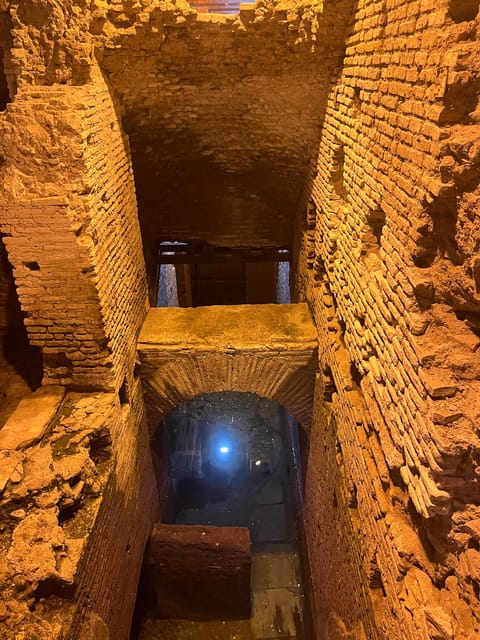
From there, you shift into the part that makes this tour worth doing at all: the underground spaces tied to the Vicus Caprarius archaeological area. The pacing stays tight—about an hour total—so you get a focused, story-driven walkthrough instead of a slow, wandering “look at some rocks” visit.
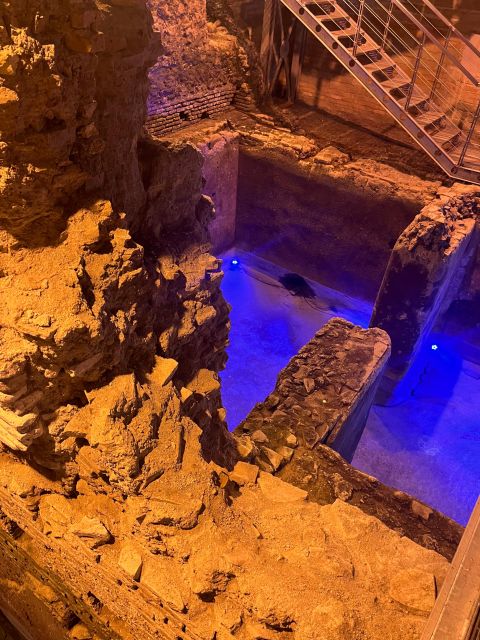
The vibe underground is also different from the Trevi Fountain experience. Above ground, you’re surrounded by Baroque spectacle. Below, the emphasis is on function: water channels, masonry, and everyday infrastructure that helped Romans live their normal Roman lives.
You can also read our reviews of more tours and experiences in Rome.



Why this tour centers on Roman water (and not just stone)
What I like about this experience is the angle. It’s not only about admiring remains. It’s about understanding how water moved and what it enabled. That “why” is where the tour clicks.
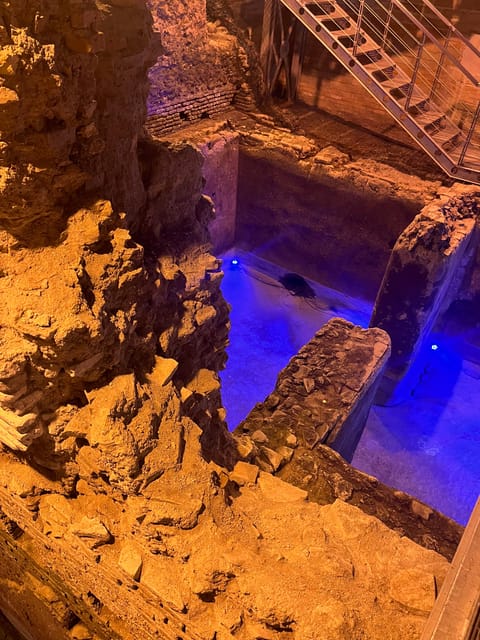
Your guide walks you through why this area is called the City of Water and connects the dots between the modern fountain you see and the ancient plumbing it relates to. You’ll learn how Trevi’s water ties into the older system below—then how that flow supported the Domus residence with its pipes and pools.
This is also where an archaeologist-style approach (and guides described as funny, passionate, and quick to answer questions) really helps. You’re given context so the finds don’t feel random. Even in a relatively short visit, the explanations aim to make you see the place as a working Roman site.
The archaeologist-led walkthrough through Vicus Caprarius
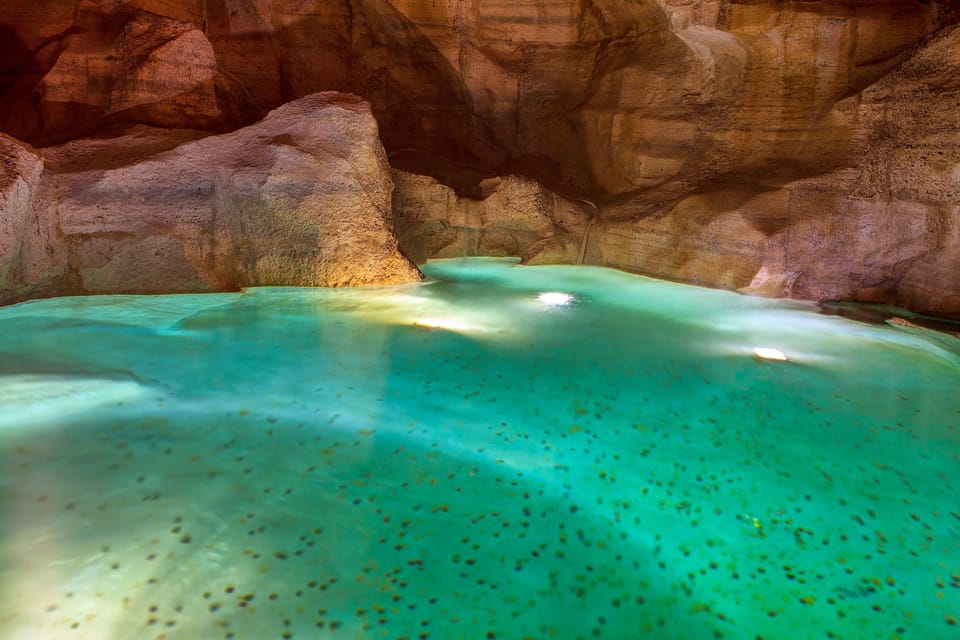
The underground visit is the heart of the tour, and it’s guided for about 40 minutes. You’ll move through the three sections of the antiquarian area, which keeps it from feeling like a single room repeat.
Here’s what to expect in practical terms:
- You’ll look at exposed remains up close while the guide explains what they were used for.
- You’ll hear how excavations shaped what you can see today.
- You’ll get the “translation” from Roman engineering to something your brain can picture.
This is also the part that helps if you’ve been to other Roman ruins. Many classic sites show you monumental power. This one shows you the infrastructure behind ordinary life. It’s Roman history with a ruler-and-calculator mindset—how the city actually worked.
Domus residence: how aqueduct water shaped luxury
One of the most interesting takeaways is how water shows up in a home setting. The tour explains how water flowing from the Trevi Fountain filters through ancient masonry in the archaeological area and continues to supply the systems associated with the Domus residence.
In plain terms: you’re seeing the physical logic of Roman design. The guide helps you connect the underground channels and masonry you’re standing near to the idea of a residence that could maintain pools and water features.
And that’s a key reason this tour feels more valuable than “quick ruins + gelato.” Once you understand the water route, you start noticing details you would otherwise miss. Even if you’re not an architecture person, you’ll recognize the pattern: Roman power wasn’t only in monuments—it was in plumbing.
What you’ll actually spot underground: coins, marble, amphorae, and more
Underground archaeology can feel abstract unless you’re told what objects mean. This tour does that part well, with specific finds tied to the stories your guide is telling.
You may see or be shown:
- Ancient coins and other items dating to the Imperial Age
- Amphorae, including a notable Spathaeia amphora linked to African oil transport
- Precious polychrome marble coverings, which are a reminder that “underground” doesn’t mean “plain”
- The famous head of Alessandro Helios
- A reported treasure trove of about 800 coins
- Features connected to water distribution for the Domus setting
If your favorite kind of Rome is the engineering and the “how did they do it” thinking, this part is especially satisfying. You’ll come away knowing what the objects are and why excavators and historians care about them.
Also, don’t expect massive crowds down there. Many guides keep the experience intimate, and that makes it easier to ask questions and slow down when something grabs your attention.






The Trevi Fountain stop: brief, but useful for context and photos
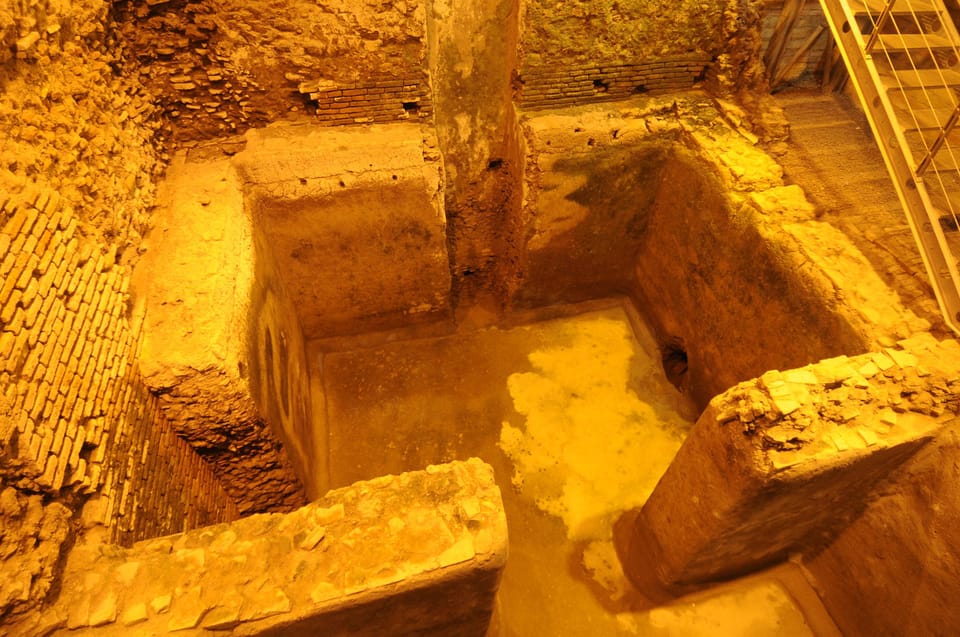
After the underground segment, you return up top for a short Trevi Fountain moment—about 5 minutes of guided focus.
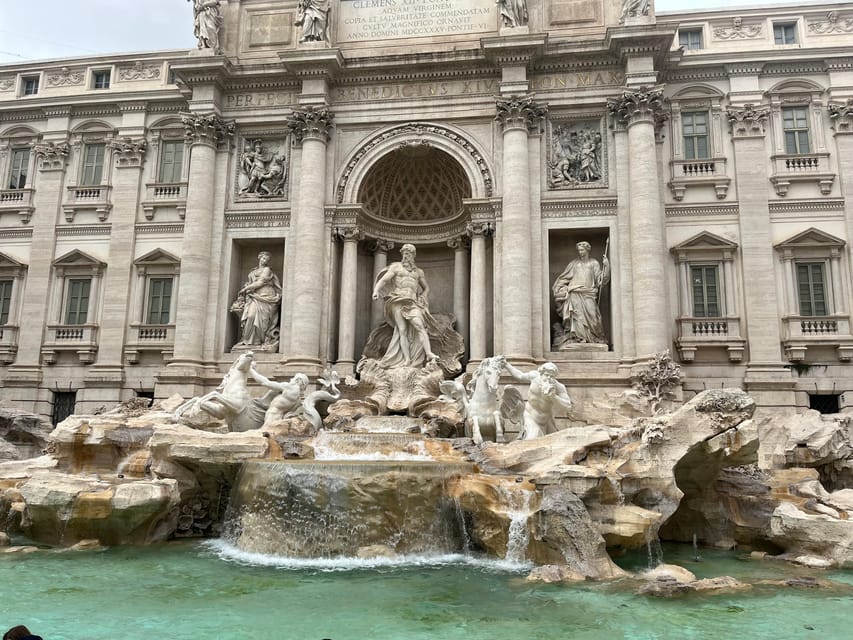
Here’s the key expectation to set for yourself: this isn’t a long, sit-and-stare fountain experience. You’ll see it from the plaza area with the same normal crowd dynamics most people face. One review-style concern that matches what you should plan for: you may not get an up-close view of every sculpture detail.
What you do get is context. The guide helps you interpret the fountain exterior and connect it to the water story you just learned underground. That connection makes Trevi feel less like a postcard and more like a living top layer over older infrastructure.
For photography, I’d take advantage of any framing tips your guide offers. Some guides are extra helpful about angles and timing—especially when crowds shift and you want a clean shot.
Gelato at the end: included, and usually worth timing
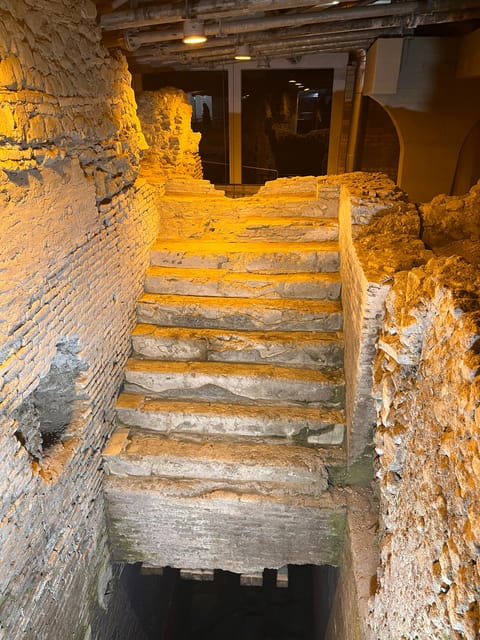
Your ticket includes Italian gelato at the end of the tour, linked to a historic shop near the Trevi Fountain area. In practice, the “included gelato” often shows up as a voucher/coupon, and you redeem it on-site.
Either way, I like the design of this ending. It gives you a reward while you’re still in the Trevi district, so you don’t have to figure out food logistics afterward. It also helps you cool down if you timed the tour during the warm part of the day.
One practical tip: if you’re picky about flavors, treat the gelato stop as your chance to choose something you’ll actually enjoy, not just something convenient. You’ll be thinking clearly again after the underground segment, and that matters with gelato decisions.
Price and value: what $52 buys you in 1 hour
At $52 per person for about 1 hour, the value depends on what you want out of Rome.
If your goal is quick sightseeing, this might feel pricey. If your goal is a guided explanation that links Trevi Fountain to the underground systems beneath it, the cost starts to make more sense. You’re paying for:
- Reserved entry access tied to the Vicus Caprarius area
- A guided look with an archaeologist-style storytelling approach
- A curated “water system” narrative (the whole point of this tour)
- Gelato included at the end
The big value lever here is the focus. In a short time window, you get a coherent story from wish-at-Trevi to water plumbing to Domus luxury to specific archaeological objects—then a payoff in the form of gelato.
Who should book this tour (and who should skip it)
Book this if:
- You like Roman history that explains systems, not only statues
- You’re curious about aqueducts, water engineering, and how that shaped daily life
- You want a break from heat and crowds while still being in the Trevi district
- You enjoy guided stories with a sense of humor and room for questions
Skip this if:
- You need wheelchair-friendly access or have mobility concerns. The tour is listed as not suitable for wheelchair users and people with mobility impairments.
- You’re expecting lots of time at Trevi Fountain itself. The fountain portion is brief; most time is underground.
Bottom line: should you book this Trevi underground tour?
Yes, I’d book it if you’re the type of traveler who likes to understand what you’re seeing. The underground Vicus Caprarius visit is the main event, and the water-focused explanations give you a better “read” on Rome than you’ll get from a surface-only fountain stop.
If you’re trying to build a jam-packed day around Trevi, treat this as your high-value anchor. Pair it with nearby wandering afterward, grab your gelato, and let the rest of the Trevi experience make more sense in your head.
If your priority is a long, up-close Trevi Fountain sightseeing session, you might feel time-pressed. In that case, you may want a different option that spends more time above ground.
FAQ
How long is the Trevi Fountain District Underground Tour?
The tour duration is 1 hour, with about 40 minutes underground at Vicus Caprarius and a short Trevi Fountain portion.
Where is the meeting point?
Meet at Vicolo del Puttarello, 25. Arrive at least 15 minutes before your selected start time.
What’s included in the price?
Included are Vicus Caprarius reserved entry, the Vicus Caprarius guided tour, Trevi Fountain access, and Italian gelato.
Is the tour guided in English?
Yes. The live tour guide speaks English.
Do I need to bring anything?
Wear comfortable shoes. The tour involves walking on-site.
Is gelato included or do I pay separately?
Gelato is included. At the end, you’ll have Italian gelato at a historic shop at/near the Trevi Fountain area.
Is the tour suitable for wheelchair users or limited mobility?
No. It’s listed as not suitable for people with mobility impairments or wheelchair users.
What part of the Roman story will I learn underground?
You’ll learn about the Vicus Caprarius archaeological area and how water connects to the Domus residence, plus specific finds such as coins, amphorae (including a Spatheia oil amphora), and other notable excavation items.
What’s the cancellation policy?
You can cancel up to 24 hours in advance for a full refund.
Can I change my plans after booking?
Yes. The tour offers reserve now & pay later, so you can keep your plans flexible.