REVIEW · ROME
Rome: Vatican Museums and Sistine Chapel Guided Tour
Book on GetYourGuide →Operated by Know my City · Bookable on GetYourGuide
Rome’s art museum starts with a shortcut. This Vatican Museums and Sistine Chapel guided tour is built for time efficiency: you get skip-the-ticket-line entrance, then move through the museum highlights with an official guide and headsets so the explanations stay clear even when the rooms get loud.
Two standout wins for me are the way you’re guided through major rooms like Gallery of Maps and Raphael’s Rooms, and the practical flow that ends at St. Peter’s Basilica when you’re still in the Vatican mindset. The main drawback to plan for is crowding and noise. In peak periods, the museum can feel packed, and you might have moments where it’s hard to see or hear as well as you’d like.
In This Review
- Key Highlights You’ll Actually Feel
- Starting at Via Tolemaide: Getting Into the Right Door
- Fast-Track Vatican Museums Entrance and Headsets That Keep You in the Loop
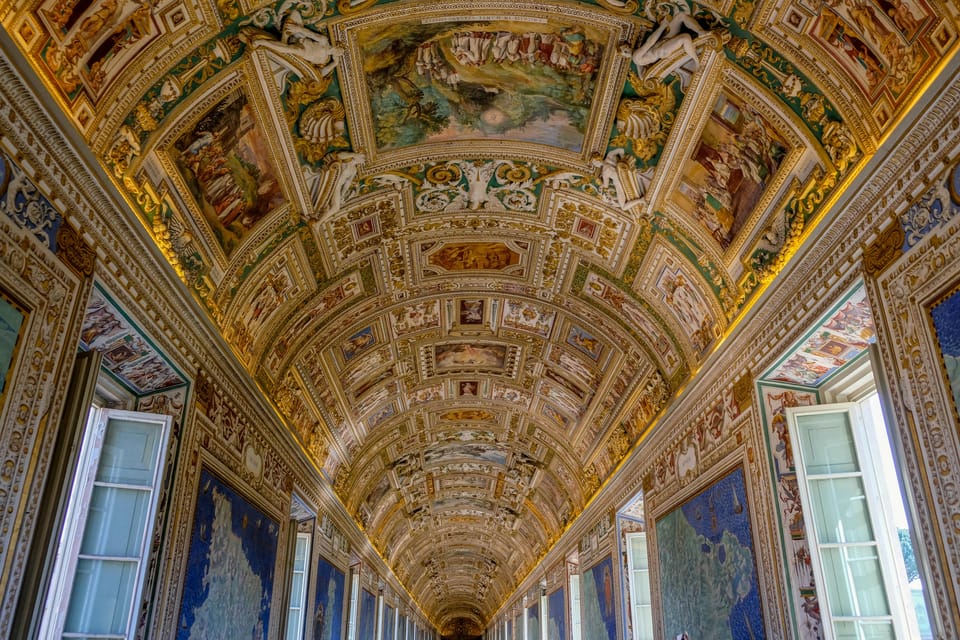
- Gallery of Maps: One of the Most Beautiful Rooms for First-Time Visitors
- Candelabra and Tapestries: Texture, Craft, and Hidden Theater
- Vatican Museums Highlights: Staying Focused Through the Best-Delivered Overview
- Raphael’s Rooms: Why the Symbolism Feels Personal
- Sistine Chapel: Photo Stop, Short Visit, Strict Rules
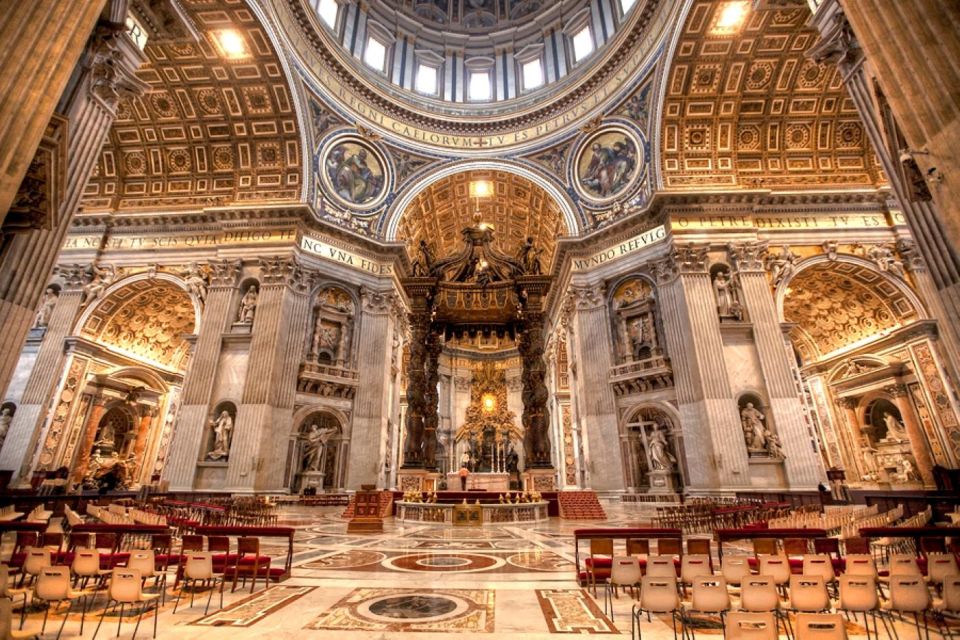
- Finishing at St. Peter’s Basilica: Skip the Hustle, Then Go at Your Pace
- Pace, Crowds, and Noise: How to Make This Tour Feel Worth It
- Price and Value: Is $90 Worth It?
- Who Should Book This Tour (and Who Should Rethink It)
- Should You Book This Vatican and Sistine Chapel Tour?
- FAQ
- How long is the Vatican Museums and Sistine Chapel guided tour?
- Where does the tour start?
- What’s included in the tour price?
- Is St. Peter’s Basilica dome access included?
- How much time do we spend in the Sistine Chapel?
- What should I wear to enter the Sistine Chapel?
- What do I need to bring for entry?
- Is this tour suitable for wheelchair users?
Key Highlights You’ll Actually Feel
- Fast-track museum entrance that saves the first, biggest line headache
- Live guide + headsets so art details don’t get lost in the crowd
- Gallery of Maps + Tapestries Gallery for variety beyond the big-name frescoes
- Raphael’s Rooms with context that makes the symbolism click
- Sistine Chapel visit with strict rules that you’ll want to be ready for
Starting at Via Tolemaide: Getting Into the Right Door
Your tour begins at Via Tolemaide, 10, and the meeting point is inside the office at that address. It sounds simple, but this is one of those Rome moments where arriving a few minutes late can turn into a scramble with the wrong entrance. Build in buffer time, especially if you’re navigating on foot and trying to spot the correct office.
Before you go, check your basics: you’ll want passport or ID, and comfortable shoes because you’re walking through museum floors and then shifting toward St. Peter’s. Dress matters too. For the Sistine Chapel, you’ll need shoulders and knees covered, so plan your outfit around that from the start. No shorts, no sleeveless shirts, no short skirts.
You can also read our reviews of more tours and experiences in Rome.
Fast-Track Vatican Museums Entrance and Headsets That Keep You in the Loop
The tour includes skip-the-ticket-line entrance to the Vatican Museums, which is the difference between a fun start and a slow one. Even with skip-the-line access, you should still expect security checks, especially in busy seasons. That’s where patience pays off, because the payoff is that once you’re inside, your time is used well.
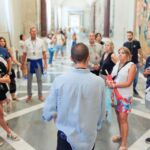
One detail I really like here is the headsets. Vatican rooms can be chaotic—people stopping, groups compressing, and guides trying to manage movement. With headsets, you’re more likely to catch the story behind what you’re seeing, not just the big outlines.
The tour is also clearly set up as a group activity, meaning you can’t wander in and out on your own. That’s a plus if you want structure, and a downside if you’re the type who likes to linger every time you feel a “wow” moment.
Gallery of Maps: One of the Most Beautiful Rooms for First-Time Visitors
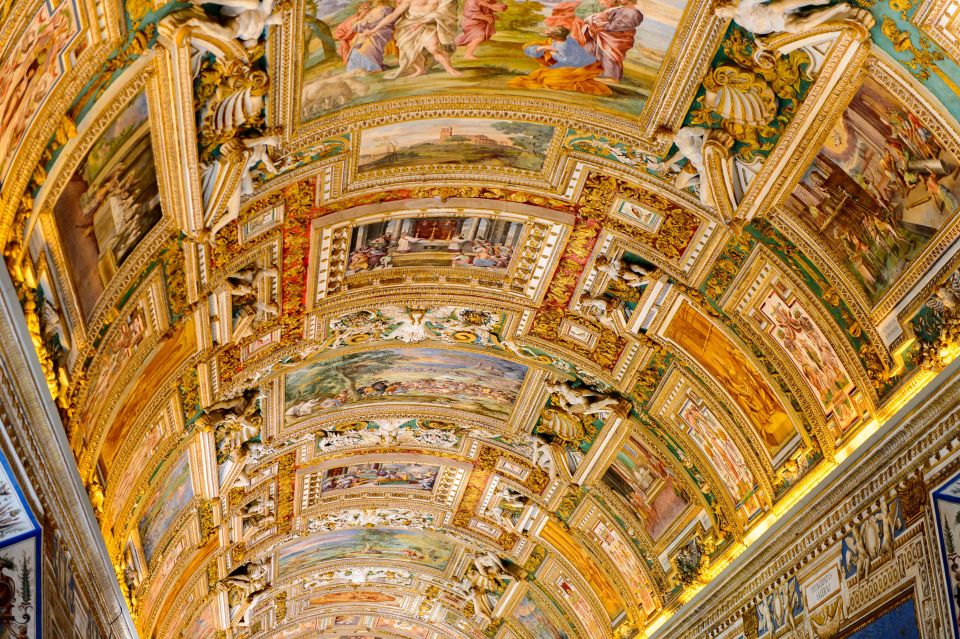
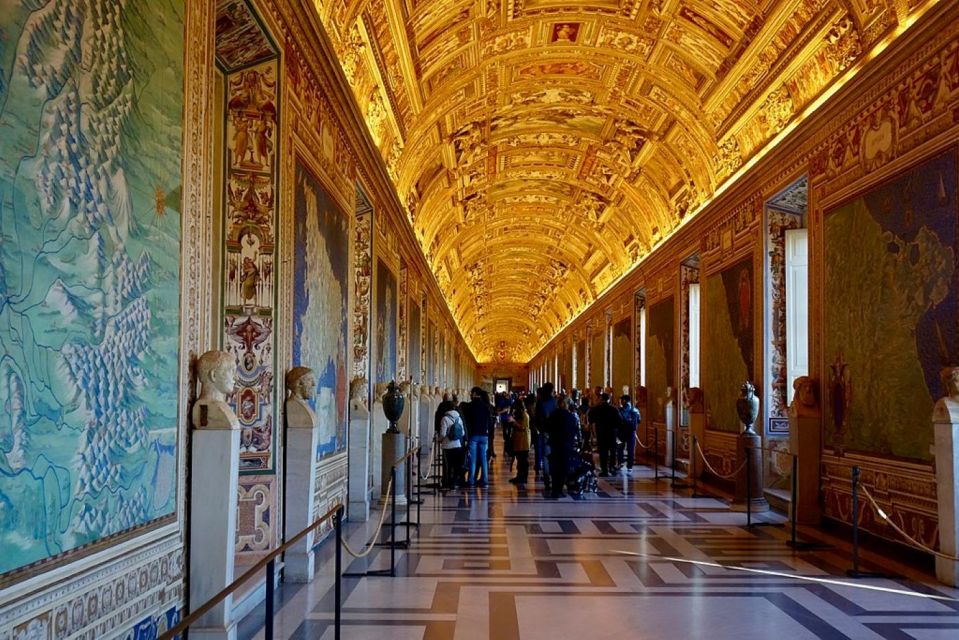
A major early stop is the Gallery of Maps. This is where the Vatican Museum experience goes beyond statues and into something more brainy and visual. You’re looking at a room designed to make you feel time, geography, and belief all at once.
What I like about including Maps early is that it gives you a reference point. Before you hit the chapel, you start understanding how the Vatican collected and framed knowledge—what mattered, what was shown, and why it was displayed. If you’re visiting for the first time, this is a good way to get your bearings.
The guided visit here is short (about 20 minutes), so the best move is to treat it like a “get the meaning, then move on” stop. You’ll come out with context, and you won’t feel like you spent the whole tour just waiting for people to funnel forward.
Candelabra and Tapestries: Texture, Craft, and Hidden Theater
After the maps, the route brings you through standout sections like the Gallery of Candelabra and the Tapestries Gallery. These rooms work well because they don’t rely on one famous face. They rely on detail, design, and craftsmanship.
The Candelabra rooms are about visual drama—sculptural forms that feel theatrical even when they’re just “decor.” The Tapestries Gallery is a different kind of wow: it’s not one moment, it’s fabric history. Seeing large-scale works in person helps you understand why tapestries were more than decoration. They were also status, storytelling, and public display.
A guided format matters here because you’re not just walking past. You’re getting the “why” behind what you’re seeing, which turns what could be background art into something you can actually talk about later.
Vatican Museums Highlights: Staying Focused Through the Best-Delivered Overview
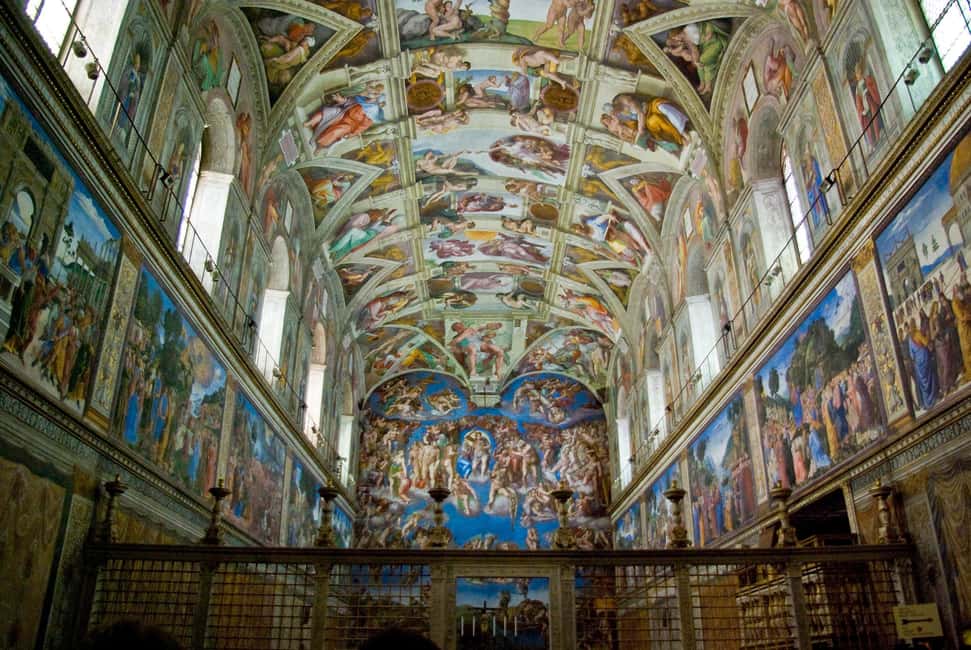
Your museum time is roughly 2.5 hours in the main Vatican Museums section, with the tour passing by and visiting key points rather than attempting to cover everything. I appreciate this approach because trying to do the whole Vatican solo is a great way to end up exhausted and slightly numb.
This is where the guide’s role matters most. A good guide helps you connect the dots: how the Vatican Museums aren’t just a pile of masterpieces, but a curated statement—religious, political, and artistic. If you’ve ever left a big museum feeling like you saw everything but remembered nothing, this kind of guided structure is the fix.
One practical note: the museum crowd can make it tough to stop at every highlight. That doesn’t mean the tour is bad. It just means you’ll want to keep moving, then let the guide choose the moments where stopping is most worth it.


Raphael’s Rooms: Why the Symbolism Feels Personal
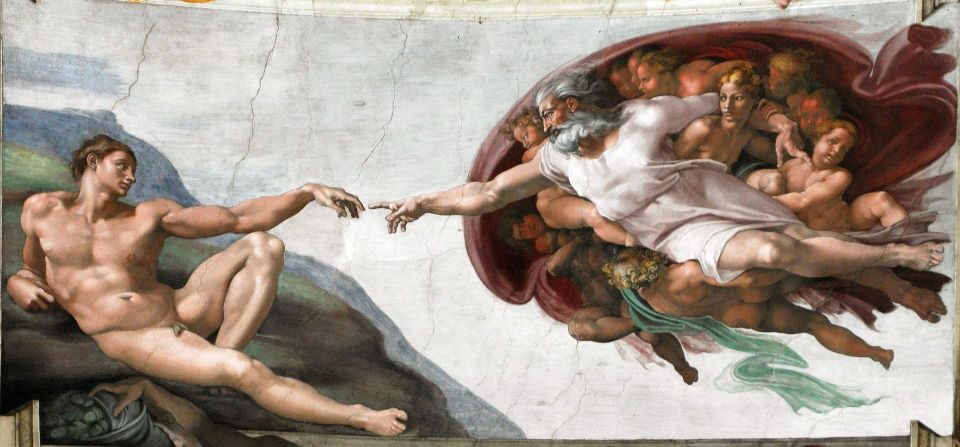
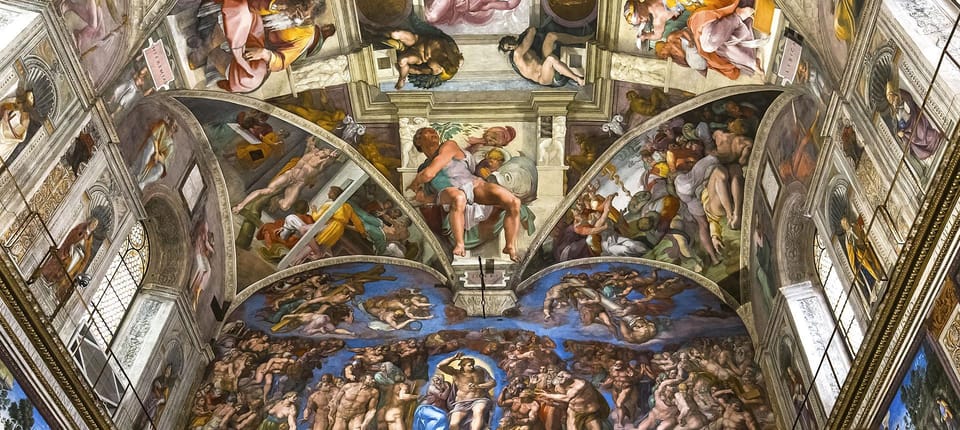
If you’re going to remember one “middle” highlight, I’d bet it’s Raphael’s Rooms. These are frescoed chambers associated with Raphael and his workshop, and the tour gives you context that makes them more than just stunning ceiling and wall art.
What you should expect is a guided explanation of the scenes and the symbolism—how the artwork fits into the Vatican’s big-picture message. The value here is interpretive. Without guidance, Raphael’s work can feel like beautiful imagery you recognize from postcards. With context, it turns into a set of ideas you can actually unpack.
This stop also fits the tour’s pacing. It’s not too late in the day, and it builds your mental “story mode” right before the Sistine Chapel.
Sistine Chapel: Photo Stop, Short Visit, Strict Rules
The tour heads to the Sistine Chapel with a photo stop and then a visit of about 20 minutes. Twenty minutes sounds short until you remember the chapel is one of the most regulated spaces in Rome. It’s designed for viewing in quiet focus.
Plan for strict rules. The tour data doesn’t spell out phone policy, but based on on-the-ground guidance you should assume that you’ll face restrictions on cameras and recording in the chapel area. The safer move is to keep your phone put away unless you’re told otherwise at the photo stop.
Also, double-check your clothing. If your shoulders or knees are uncovered, entry can be denied. That’s not a small detail—it’s the difference between a smooth visit and a frustrating detour.
One more real-world consideration: the Sistine Chapel can have unforeseen closures due to religious or political events. That’s beyond anyone’s control, so check your day-of plans if you’re trying to build a tight itinerary around it.
Finishing at St. Peter’s Basilica: Skip the Hustle, Then Go at Your Pace
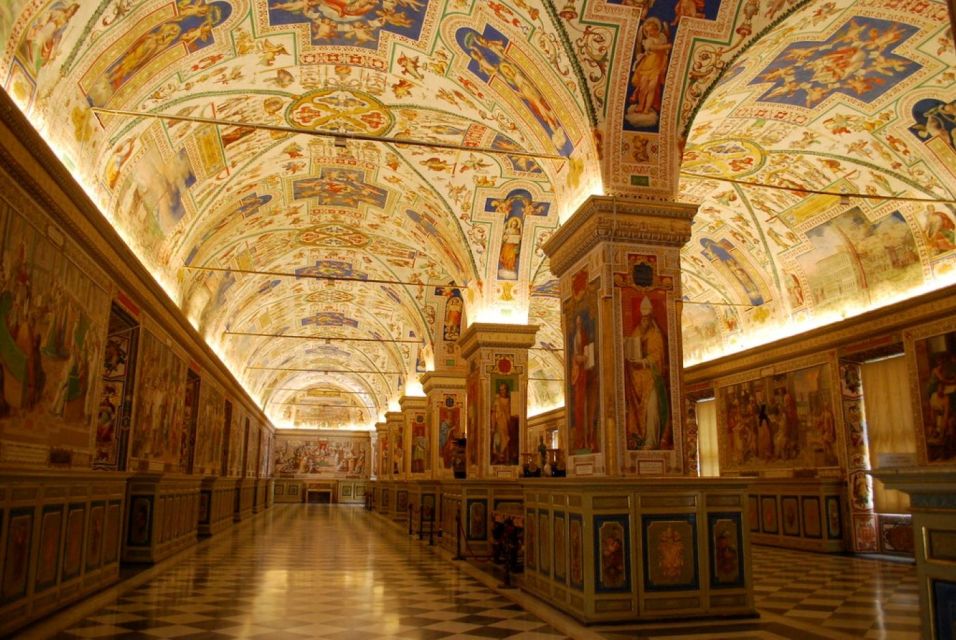
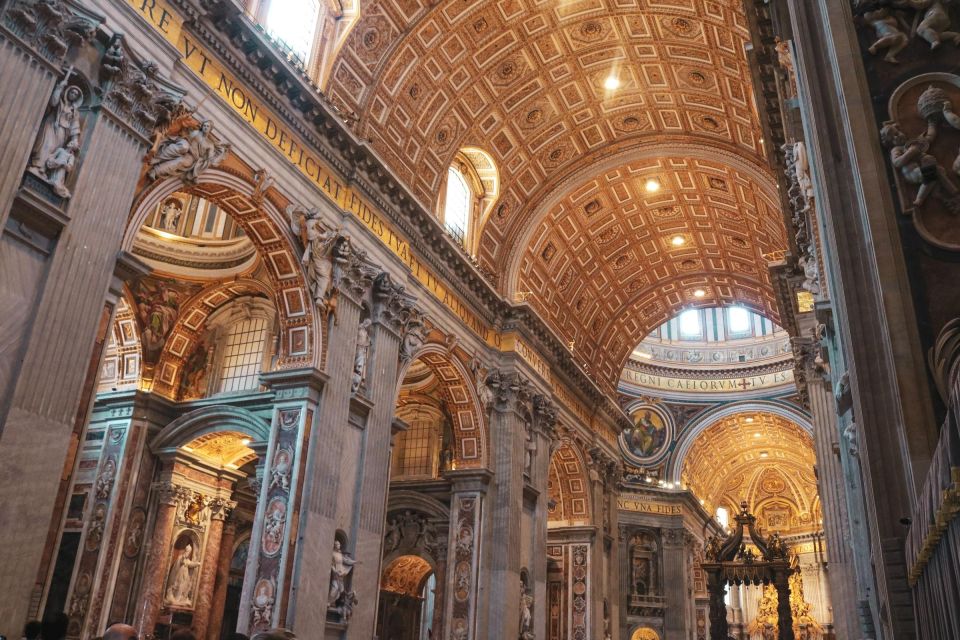
The experience finishes at St. Peter’s Basilica. If you choose the option that includes it, your guide escorts you to the basilica entrance with reserved skip-the-line access, and you then visit the basilica at your own pace.
What’s not included: access to the dome. That means if you want panoramic views from above, you’ll need a separate plan. But for most people, the basilica itself is the heavy hitter: scale, art, and that immediate feeling of being in the spiritual center of Rome.
This “guided to basilica, then independent explore” structure is a nice compromise. You get the benefit of a guide delivering the context, then you’re free to linger where you care most.
Pace, Crowds, and Noise: How to Make This Tour Feel Worth It
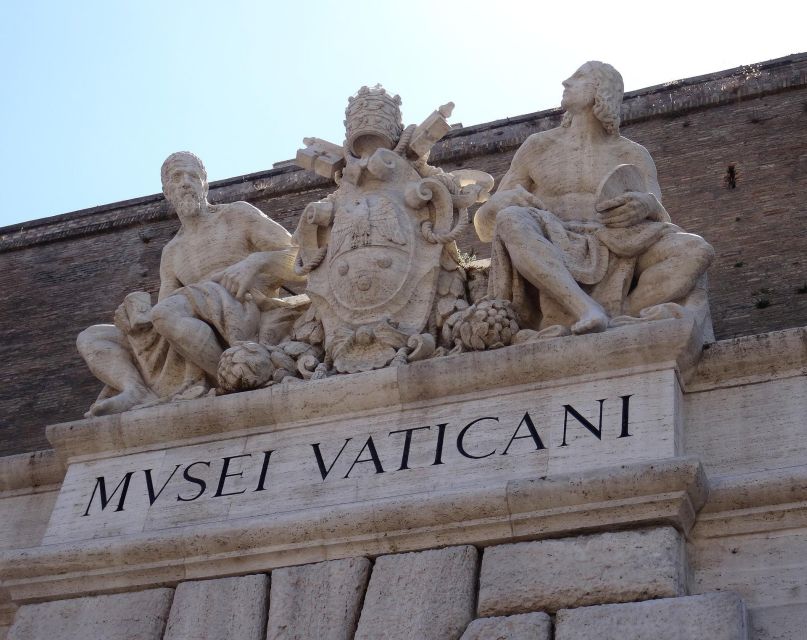
Even with fast-track entry, the Vatican Museum experience is still about managing a crowd. You’ll be in a group, and the museum can be noisy and packed, especially during peak seasons.
I recommend you mentally switch into a “best-of” mode. This isn’t a slow, museum-by-museum crawl. It’s an efficient highlights pass with interpretation. If you try to treat it like a personal, unhurried stroll, you might feel rushed.
A headset helps you follow the guide, but don’t assume you’ll hear perfectly all the time. Some days have more overlapping groups than others. You can make it easier on yourself by staying close to the guide when possible, and by accepting that certain rooms will be visually crowded even when you can hear.
Timing matters too. The tour lasts about 2 to 3 hours, and on busy days the schedule can feel tighter. If your goal is to see more than the highlights, you should plan extra time before or after the tour to return on your own.
Price and Value: Is $90 Worth It?
At $90 per person for a 2–3 hour guided experience, this tour earns its price mainly through three things:
- Skip-the-ticket-line entrance to the Vatican Museums
- An official live guide plus headsets
- Optional fast-track entry to St. Peter’s Basilica (if you select that option)
The math is simple. If you’ve ever stood in Vatican queues without a plan, you already know how expensive time can feel. Here, you’re paying to convert waiting into guided viewing.
Could you do it cheaper on your own? Yes, but you’ll pay the price in stress: figuring out routes, managing lines, and guessing which rooms matter most. If you want the meaning behind Raphael’s Rooms and the way the Vatican Museums are organized, a guide is usually the difference between seeing art and understanding why it matters.
Who Should Book This Tour (and Who Should Rethink It)
This works best if you’re doing the Vatican for the first time and want a guided path that hits the biggest rooms without wasting your day. It’s also a strong choice if you like explanations while you walk, because the headset setup is built for “hear the story as you see the art.”
It’s not for everyone. The tour is not suitable for wheelchair users and is also listed as not suitable for people with mobility impairments. The Vatican Museums involve walking and crowd navigation that can be tough even with support.
Also consider restrictions on clothing. You’ll need to dress for the Sistine Chapel, so if you’re traveling with casual summer outfits, pack a backup layer.
Should You Book This Vatican and Sistine Chapel Tour?
I’d book it if your priorities are simple: get in faster, see the key rooms, and come away understanding what you looked at. The guide-led pacing is the real value here, especially for highlights like Gallery of Maps, Raphael’s Rooms, and the Sistine Chapel.
I’d think twice if you’re hoping for a slow, quiet museum day or you need mobility-friendly touring. And if you’re visiting in peak season, accept that crowds are part of the deal—fast-track helps, but it won’t turn the Vatican into a private gallery.
If you can handle a packed route for a few hours, this is one of the best ways to make your Vatican visit feel focused instead of overwhelming.
FAQ
How long is the Vatican Museums and Sistine Chapel guided tour?
The duration is listed as 2 to 3 hours.
Where does the tour start?
The meeting point is inside the office at Via Tolemaide, 10.
What’s included in the tour price?
It includes skip-the-ticket-line entrance to the Vatican Museums, an official guide, and headsets. Fast-track access to St. Peter’s Basilica is included if you select that option.
Is St. Peter’s Basilica dome access included?
No. Dome access is not included.
How much time do we spend in the Sistine Chapel?
You’ll have a photo stop and then a Sistine Chapel visit of about 20 minutes.
What should I wear to enter the Sistine Chapel?
You need shoulders and knees covered. Shorts, short skirts, and sleeveless shirts are not allowed.
What do I need to bring for entry?
Bring a passport or ID card and wear comfortable shoes.
Is this tour suitable for wheelchair users?
No. It’s not suitable for wheelchair users or visitors with mobility impairments.