REVIEW · ROME
Rome: Vatican Museums & Sistine Chapel Entry Experiences
Book on GetYourGuide →Operated by Find Rome Tours · Bookable on GetYourGuide
The Vatican feels smaller once you’re through security. This experience is built around skip-the-line entry so you can get moving toward Michelangelo’s frescoes fast, then wander the Vatican Museums at your own pace. I like that you’re not stuck following a group through every room, and I like having context from an English electronic guidebook rather than needing a person to translate. The trade-off: you still pass security, and the Sistine Chapel can feel very crowded even when your ticket time is reserved.
You’ll flow from early galleries to the big-name art—without a guide shouting directions every 30 seconds. On days when the guided option is chosen, I’ve heard guides like Alexandru can add real texture and facts without turning the visit into a lecture. One thing to keep in mind: you’ll need to handle the practical rules (dress code, no flash, no backpacks), or the visit slows right where you don’t want it to.
In about 2–3 hours, you can hit the classics: the Apollo del Belvedere, the Gallery of Maps, the Gallery of Tapestries, and then end with the Sistine Chapel. Your exact start time depends on what’s available, so check your slot before you plan the rest of your day around it.
In This Review
- Key things to know before you go
- Skip-the-line entry: what changes your Vatican day
- Vatican Museums at your own pace: how to work the time well
- Gallery wins: Apollo, Laocoön, maps, tapestries
- Leonardo, Raphael, Caravaggio: balancing the big names
- Sistine Chapel: how to make the moment count
- Photo rules and dress code: easy ways to avoid delays
- The electronic guidebook: using it like a pro
- Price and value: what you’re really paying for
- Best for: who will love this and who should rethink it
- Final verdict: should you book this Vatican entry?
- FAQ
- Does this include skip-the-line entry for the Vatican Museums?
- How long does the Vatican Museums & Sistine Chapel entry last?
- What’s included in the ticket?
- Can I take photos in the Vatican Museums and Sistine Chapel?
- Is access to the Sistine Chapel always guaranteed?
- What clothing restrictions should I follow?
Key things to know before you go
- Skip-the-line entry into the Vatican Museums: it cuts the main waiting time, so you spend more time in the galleries.
- Self-paced wandering with an English guide: you can pause, backtrack, and move when the mood hits.
- The must-see set of Vatican hits: Laocoön, Apollo del Belvedere, maps, tapestries, plus Michelangelo.
- Sistine Chapel access is date-dependent: access may be suspended during papal conclave-related closure windows.
- Crowd reality in the Chapel: even with a timed visit, you’ll want calm expectations and a quick plan.
- Rules are strict: shorts/short skirts are not allowed, flash photography is prohibited, and backpacks aren’t.
Skip-the-line entry: what changes your Vatican day
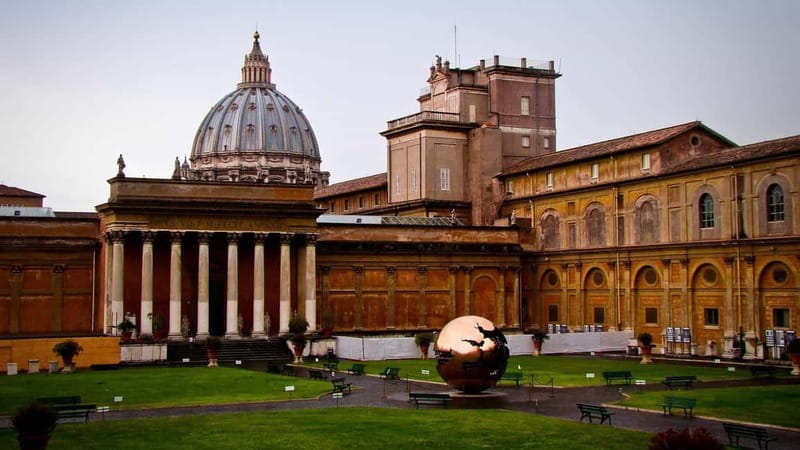
Let’s be honest: the Vatican can feel like a giant bottleneck. This ticket doesn’t magically remove every delay, but it does help where it matters most—getting into the Vatican Museums without the longest main ticket line.
After you arrive at the meeting point (which can vary by the option you choose), you go through security first. That part still takes time. But once you’re past it, the schedule works in your favor: you’re inside and ready to start. For a place this huge, that difference is huge. It’s the difference between rushing to your first masterpiece and having enough energy to enjoy the middle of the museum instead of just sprinting to the end.
The experience also includes an electronic guidebook in English. That matters if you want context without the pressure of a live guide pacing you. You can stop when something grabs you—then move on before the next room gets too crowded.
You can also read our reviews of more tours and experiences in Rome.
Vatican Museums at your own pace: how to work the time well
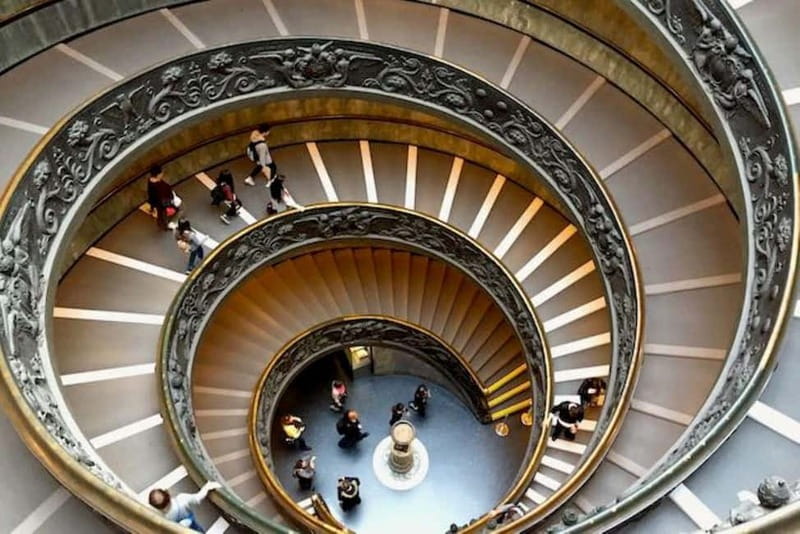
The Vatican Museums are large enough that “seeing everything” isn’t the goal. With a self-paced entry model, your goal should be to see the highlights plus one or two “quiet moments” where you actually look.
You’ll have access to areas that range from Greek and Egyptian antiquities to Renaissance masterpieces. That mix is one reason I recommend this kind of entry: it helps you understand the museum as a story of collecting and ideas, not just a checklist.
Here’s how I’d use your 2–3 hours:
- Start with antiquities and early collections so your brain wakes up before the famous frescoes.
- Then transition to the Renaissance and Baroque rooms where Michelangelo, Raphael, Leonardo da Vinci, and Caravaggio show up.
- Save your concentration for the last stretch, where the Sistine Chapel is waiting.
That pacing is exactly what makes this ticket feel like good value. You’re not paying for a racing line through the building. You’re paying for more breathing room once you’re inside.
Gallery wins: Apollo, Laocoön, maps, tapestries
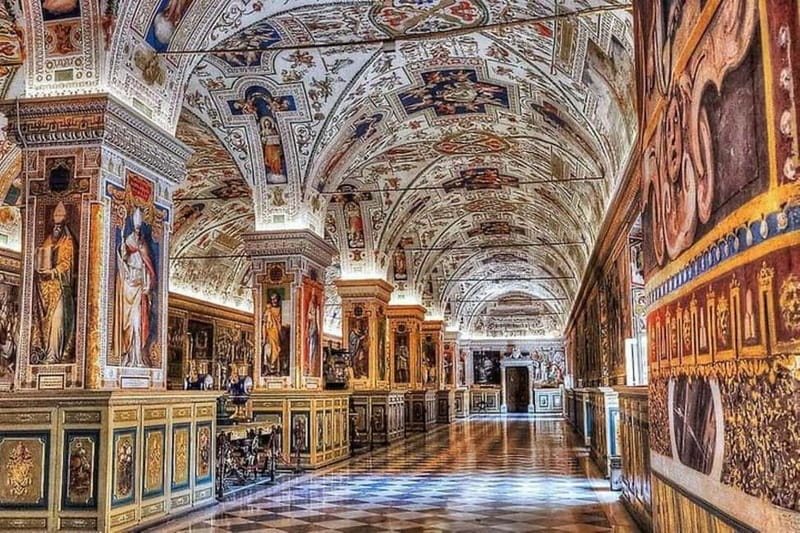
A smart Vatican visit has “anchors”—rooms you’re excited to reach. This entry gives you access to several classic anchors that are easy to remember and satisfying to find.
Apollo del Belvedere is one of those anchors. Even if you’ve seen photos, seeing it in person lands differently. The statue sits in a setting that makes you understand why it became a reference point for artists later on. It’s the kind of stop where you can spend a few minutes just looking for details rather than trying to read every label.
Then there’s Laocoön. It’s another statue that people recognize by reputation, but the real impact comes from how it looks in a real museum space—scale, materials, and how the pose works from different angles.
If you want something that’s not just “famous object,” the Gallery of Tapestries and the Gallery of Maps deliver. They’re dramatic in a different way: instead of one piece commanding the room, you’re dealing with a visual system—textures in tapestries, and the geography layout in the maps. If you like architecture, design, and composition, these spaces can feel refreshing because you’re watching patterns, not just figures.
For your planning: aim to see these anchors before you get tired. The museum is vast, and energy is your limiting factor, not information.
Leonardo, Raphael, Caravaggio: balancing the big names
The Vatican Museums are packed with legends. The tricky part is not letting the museum become noise. With self-paced entry, you can choose a balance that fits your attention span.
You can expect masterpieces by Leonardo da Vinci, Caravaggio, Raphael, and Michelangelo included in the route. That lineup is powerful because it covers different styles and different kinds of drama. Leonardo tends to reward close looking. Raphael often feels like order and clarity. Caravaggio is all about intensity and lighting. Michelangelo—well, you already know why people wait for him.
What I like about this setup is that you can follow your taste rather than a strict script. If you prefer strong emotion, you’ll lean into Caravaggio. If you prefer calm composition, Raphael might be your stop. If you want artistic technique, Leonardo is where you can slow down and look for it.
And because the guide is electronic, you don’t need to commit to reading every label the way you would in a normal walk-through. You can check context quickly, then focus on the actual artwork again.
Sistine Chapel: how to make the moment count
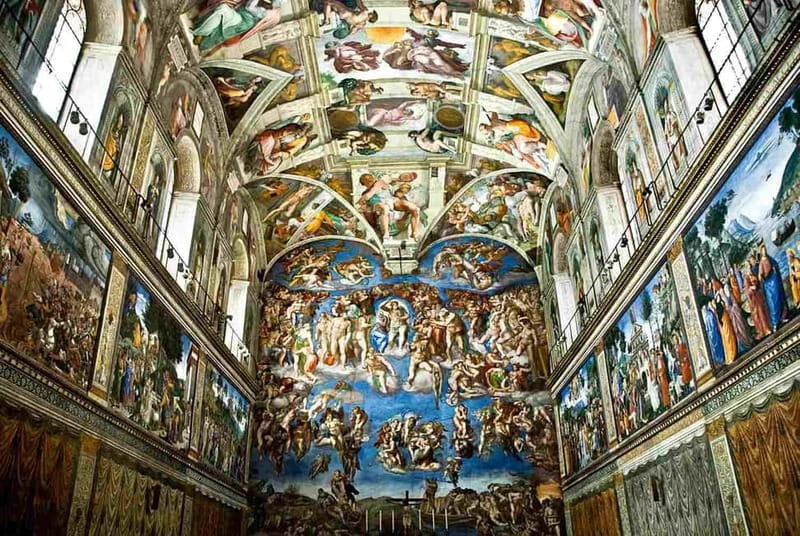
The Sistine Chapel is the headline, and it also sets the terms for the end of your visit. You’ll have access to the Chapel as part of the experience, and the goal is to pause and reflect on Michelangelo’s artistry.
But here’s the practical reality: the Chapel can feel extremely crowded. Even with a timed entry, you can’t control crowd density, and you’ll be moving with the flow. If you go in expecting silence and space, you’ll feel frustrated. If you go in expecting a moving, breath-held kind of awe, you’ll do better.
How to maximize it:
- Go in with a short plan: identify the section(s) you care about most, then look deliberately rather than scanning randomly.
- Keep your phone put away unless you’re allowed to take photos in that exact moment. Photography is permitted, but flash photography is not permitted.
- Give yourself permission to stand where you can see, not where you wish you could stand.
Also note a key date issue. The Sistine Chapel is closed to the public during a closure window connected to the papal conclave schedule. That means access may be unavailable until after the conclave concludes. If your travel dates fall during that period, you can still explore the extensive Vatican Museums, just without entry to the Chapel.

Photo rules and dress code: easy ways to avoid delays
This is the stuff that can ruin your momentum if you ignore it. The rules are straightforward and strict:
- Shorts and short skirts are not allowed.
- Flash photography is not permitted.
- Backpacks aren’t allowed.
Plan your outfit like you’re visiting a sacred space first, museum second. If you’re unsure, choose long pants or a longer skirt and cover shoulders. It’s Rome in daylight, but it’s still Vatican policy.
For cameras: you can take photos (no flash). So if you love capturing the big moment, you can. Just don’t count on calm, long shooting time in the Chapel. The environment is tight by design.
The electronic guidebook: using it like a pro
An electronic guidebook in English is included. That sounds simple, but it changes how you experience the museum. Instead of feeling responsible for reading every placard, you can pick the stops that matter to you most.
My advice: don’t turn the guide into a checklist. Use it like a key:
- Check background for the first room where you’re unsure what you’re looking at.
- Then switch to active looking in rooms that are already calling you in.
- If you feel yourself rushing, slow down for one object. The Vatican rewards that kind of attention.
This is also where self-paced time becomes real value. You can stop for a minute when something surprises you—then move on before you lose your place in the museum flow.
Price and value: what you’re really paying for
The price for this experience is listed as $44.41 per person, and it’s usually for a 2–3 hour visit. The transparent admission breakdown is helpful: the admission price to the Vatican Museums & Sistine Chapel skip-the-line entry is €25 for adults and €13 for under 18, with the remaining amount covering the advertising electronic information booklet and other services plus booking fees.
So is it worth it? In most cases, yes—if you care about reducing time lost in the main queue and you want a self-paced visit with English guidance. If you already have a plan to spend a short, focused museum session and you don’t want to rely on a live guide, the “skip and go” format is a strong match.
If your biggest priority is a deeply guided, commentary-heavy experience, you may prefer a guided tour option. But if you want museum time that feels more like exploring than being marched, this format makes sense.
Best for: who will love this and who should rethink it
This is ideal if you:
- Want skip-the-line access and a self-paced route.
- Like seeing major works—Michelangelo, Raphael, Leonardo da Vinci, Caravaggio—and also wandering through supporting galleries like maps and tapestries.
- Appreciate practical context from an English electronic guide.
It’s less ideal if you:
- Dislike crowded indoor spaces, especially at the end in the Sistine Chapel.
- Are traveling with the wrong attire (shorts/short skirts) since rules are enforced.
- Need a very long, slow-paced visit. The duration is 2–3 hours, so you’ll want to choose priorities.
There’s also a note that it isn’t suitable for people over 95 years, so if that applies, you should consider alternatives with more flexibility.
Final verdict: should you book this Vatican entry?
I’d book this if you want a time-saving, self-paced Vatican Museums experience with English support and the chance to end at Michelangelo’s Sistine Chapel. The value comes from practical order: skip the main ticket line, use security once, then spend your limited time where it counts.
The only reason to hesitate is the Sistine Chapel closure window. If your dates fall during the period when access is suspended, you’re still getting the museum side, just without the Chapel finish. If that’s your one non-negotiable, check your travel dates carefully before you purchase.
If you’re flexible and you can enjoy the museums as a whole, you’ll leave feeling like you managed your time well—and saw the Vatican’s greatest hits without living in a queue.
FAQ
Does this include skip-the-line entry for the Vatican Museums?
Yes. The experience includes skip-the-line entry to the Vatican Museums. It also includes entry ticket access and you’ll pass through security before entering the museum areas.
How long does the Vatican Museums & Sistine Chapel entry last?
The duration is listed as 2–3 hours. Start times depend on availability.
What’s included in the ticket?
You get an entry ticket to the Vatican Museums, access to the Sistine Chapel, and an electronic guidebook in English. A guided tour is only included if you select that option.
Can I take photos in the Vatican Museums and Sistine Chapel?
Photography is allowed, but flash photography is not permitted.
Is access to the Sistine Chapel always guaranteed?
No. The Sistine Chapel has been closed to the public during a period connected to the papal conclave schedule, and access may not be possible until after the conclave concludes. During closure, you can still explore the Vatican Museums.
What clothing restrictions should I follow?
Shorts and short skirts are not allowed. Backpacks are also not permitted.