REVIEW · POMPEI CAMPANIA
Pompeii: 2-Hour Guided Tour with an Archaeologist
Book on GetYourGuide →Operated by Askos Tours · Bookable on GetYourGuide
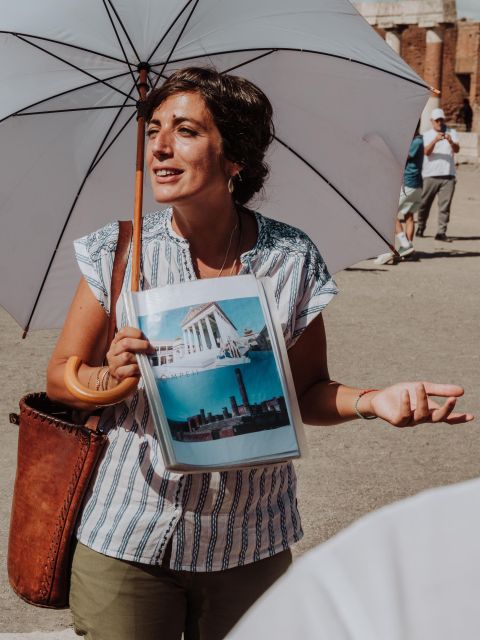
Pompeii hits different when a pro explains it. This 2-hour, archaeologist-led walk in the western part of town helps you read the ruins like a story, from packed public spaces to quieter home corners, with guides such as Rosalina and Enzo who know how to turn stone into daily life. Two things I especially liked were the way you’re guided through major highlights without feeling rushed, and the focus on what the eruption actually did to the city and its people.
I also liked the tour’s practical pacing. You’re given disposable earphones for bigger groups, and the stops are structured so you can connect each site to the bigger picture of Roman society (politics, shopping, bathing, and private life), not just collect pretty photos. If you want Pompeii that feels organized—without the full-day slog—this route is a smart fit.
One possible drawback: the tour is only 2 hours, so you’ll see a lot, but not everything. On a hot day (and Pompeii is hot), you’ll want to start early, wear good shoes, and be ready to trade browsing for learning.
Key points I’d actually plan around
- Archaeologist-style explanations that tie buildings to how Romans lived in public and private
- Porta Marina Superiore as the launch point, with a walk focused on major western sights
- Forum, Basilica, and Thermal Baths coverage so you understand the city’s core
- Lupanar (brothel) and everyday stops that round out Pompeii beyond temples and theaters
- Plaster casts of people and animals, which make the tragedy feel immediate (and respectful)
- Quick, guided direction using disposable earphones so you don’t miss details in a crowd
In This Review
- Pompeii Under 79 AD, Explained the Way It Should Be
- Meeting at Porta Marina Superiore: Get Oriented, Then Go
- The Big Roman Hits: Forum, Civic Court, and Thermal Baths
- Foro Civile di Pompei and the Forum area
- Basilica (Court House)
- Forum Baths / Thermal Baths
- Houses, Art, and the Feel of a Real Street
- The Lupanar and the Bakery Moment That Sticks With You
- Lupanar (old brothel)
- Bakery stop with utensils and food remnants
- Plaster Casts: When Pompeii Becomes Personal
- Temples, Theaters, and the City’s Loudest Spaces
- Temple of Apollo
- Large Theatre and Amphitheater
- Value and Timing: Is 2 Hours Worth $175.74?
- Who This Tour Fits Best (and Who Should Skip It)
- Quick Practical Tips That Make Pompeii Easier
- Should You Book This Pompeii Archaeologist Tour?
- FAQ
- How long is the Pompeii tour?
- Where do I meet the guide?
- What sights does the tour include?
- Does the tour include plaster casts?
- What languages are available for the guide?
- Is the tour private?
- What should I bring to Pompeii?
- Are the ruins free on the first Sunday of the month?
Pompeii Under 79 AD, Explained the Way It Should Be
Pompeii is the kind of place that can overwhelm you fast. You arrive, you see walls and arches and stepped streets, and then you’re left asking: What am I looking at, exactly? This tour is built to answer that question in real time, with an expert guide walking you through the western side of the site—where the public buildings and packed neighborhood life line up in a way that actually makes sense.
You start at Porta Marina Superiore, then move through the heart of Pompeii’s everyday engine: forums, courts, baths, theaters, and houses. The result is less wandering and more understanding. And because the guide points out how the city was buried by molten ash and lava during the eruption of Vesuvius in 79 AD, you get context for why certain structures look the way they do—and why Pompeii feels so unusually intact.
What also works is the tone. The tour isn’t trying to shock you for shock’s sake. It treats the tragedy with respect while still explaining the human realities of the town—workplaces, meals, and even the darker corners of city life.
Meeting at Porta Marina Superiore: Get Oriented, Then Go
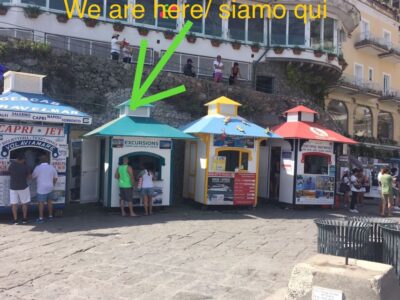
The meeting point is near Porta Marina Superiore (there are two starting options depending on what you book). One option is Pompei—Porta Marina, Via Villa dei Misteri, 2. The other starts at the Pompeii Scavi area with the walking route funneling you toward the main western sights.
Here’s the practical part: Pompeii meeting spots can be tricky if your phone map isn’t playing nice. I’d plan to arrive a bit early, and use the address text from your booking confirmation to orient yourself on foot. Once you’re with the guide, everything clicks because the route is organized for seeing key monuments without doubling back.
If you’re traveling in a small group, this format is especially helpful. One reason the reviews sing about the experience is that a private setup lets the guide shape the pace—asking questions, adjusting where you pause, and keeping you on track through a site that’s easy to misread.
You can also read our reviews of more tours and experiences in Pompei Campania.
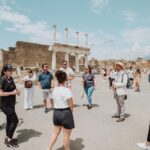

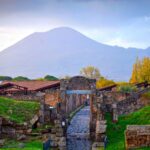
The Big Roman Hits: Forum, Civic Court, and Thermal Baths
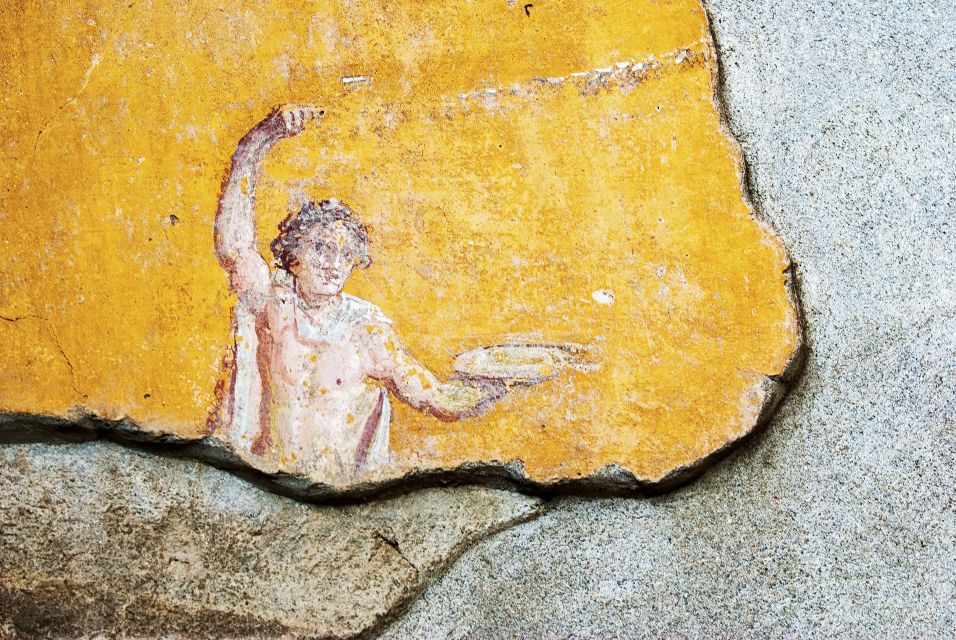
This is where the tour delivers its biggest “aha” moments. You’ll spend time in major public spaces that shaped daily life—politics, law, commerce, and social status.
Foro Civile di Pompei and the Forum area
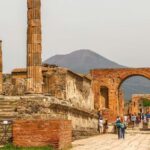
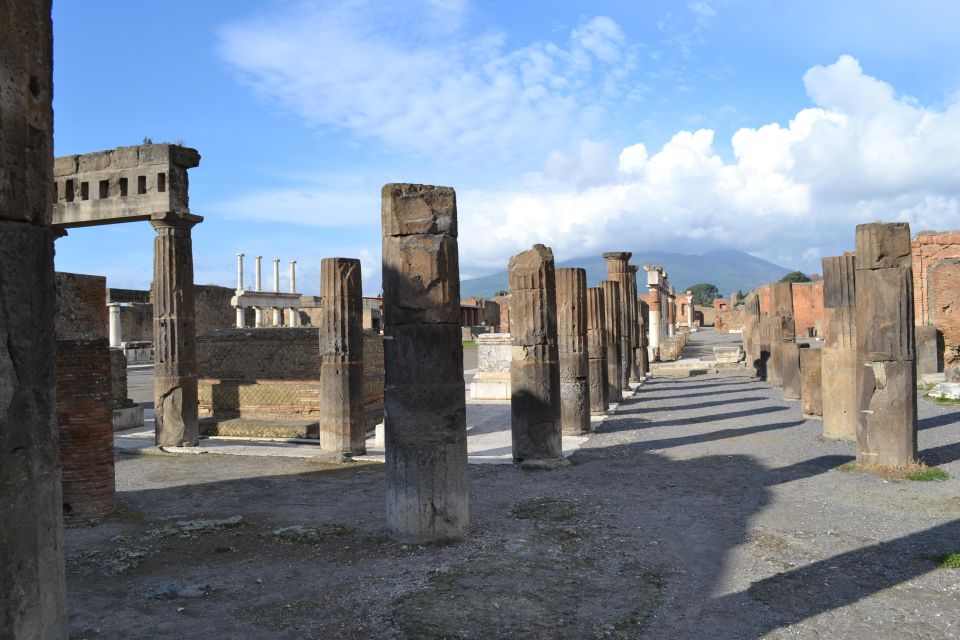
When you step into the forum zone, you’re seeing the city’s social and political center—where decisions were made, announcements were posted, and people gathered as part of their normal rhythm. Without a guide, it’s easy to think you’re just looking at ruins. With one, the buildings start to act like props in a play: you can picture what people would have done there, and why the forum mattered.
This matters because Pompeii’s daily life isn’t separated into neat categories. Civic power spills into business. Business spills into street life. The guide helps you connect those dots.
Basilica (Court House)
Next comes the Basilica, the courtroom/civic building often linked to how citizens handled disputes and public business. It’s a strong stop because it teaches you how Roman law and civic life worked in real places, not abstract textbooks. The more the guide explains who would have used these spaces and why, the easier it is to understand the geometry and layout of what remains.
Forum Baths / Thermal Baths
Then you hit bathing culture—Forum Baths and other thermal spaces in the route. This is a key Pompeii lesson: Romans didn’t treat bathing as only hygiene. It was social life. It was routine. It was a place to talk, meet, and signal status. If you’ve ever wondered why so many Roman cities built elaborate bath complexes, this stop makes the answer feel obvious.
One practical note: baths and shaded areas can vary by spot, so bring water and expect sun exposure between stops.


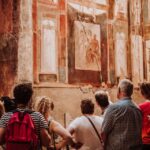
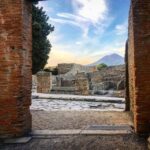
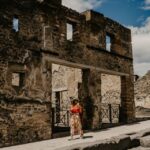

Houses, Art, and the Feel of a Real Street
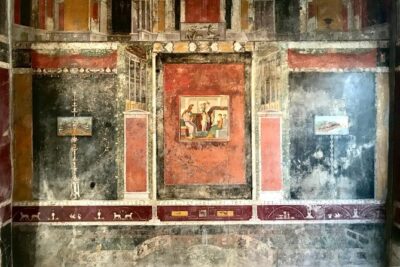
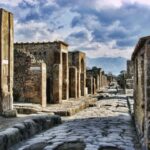
Pompeii’s best moments aren’t only big monuments. They’re the small “how did they live” details. This tour includes several house stops that help you understand private space—how families stored goods, decorated rooms, hosted visitors, and lived with the city right outside the door.
You’ll visit notable homes such as:
- House of Menander
- House of the Faun
- House of the Vettii
- House of the Tragic Poet
- House of Menander / House of the Faun style stops that highlight what made certain households stand out
The guide’s job here is to translate architecture into behavior. When you learn why certain areas were used, what functions rooms likely served, and how decoration linked to wealth and identity, the ruins stop being just walls. They become a snapshot of daily habits.
If you’re the type who likes to understand how people actually ate, worked, and entertained, you’ll appreciate the way the tour blends public and private stops. It keeps the “Roman day” feeling continuous rather than segmented.
The Lupanar and the Bakery Moment That Sticks With You
Two stops can surprise people in the best way: the Lupanar (brothel) and a bakery-like stop where you can see remnants of daily food production.
Lupanar (old brothel)
The Lupanar is one of Pompeii’s most discussed spaces. On this tour, it’s handled as part of the city’s social ecosystem, not just as scandal bait. You learn what the setting was like and how the space fit into broader urban life.
This is one of the reasons an archaeologist guide matters. A generalist narration might skip over interpretation. Here, you’re guided to look at how the site functioned, which is more useful than a sensational takeaway.
Bakery stop with utensils and food remnants
Another standout is a bakery area where you can still see remaining utensils and traces of food. This stop lands because it’s physical evidence of everyday work. You’re not just learning about elite politics or decorative art—you’re watching the reality of making food, right where it happened.
It’s also a reminder that Pompeii wasn’t a museum. It was a working town.
Plaster Casts: When Pompeii Becomes Personal
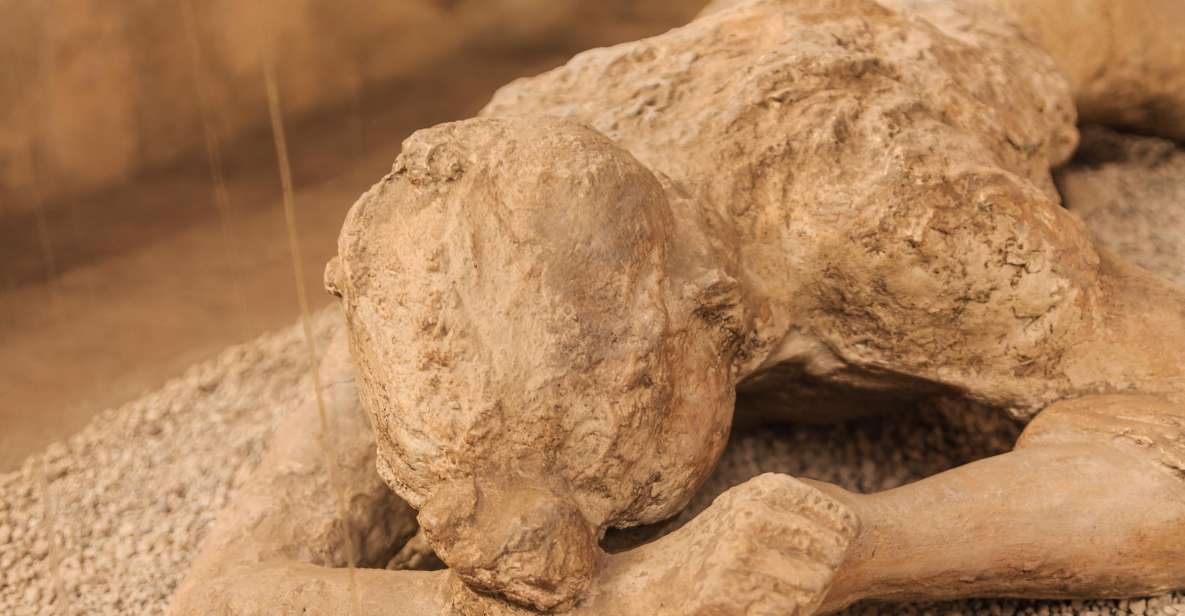
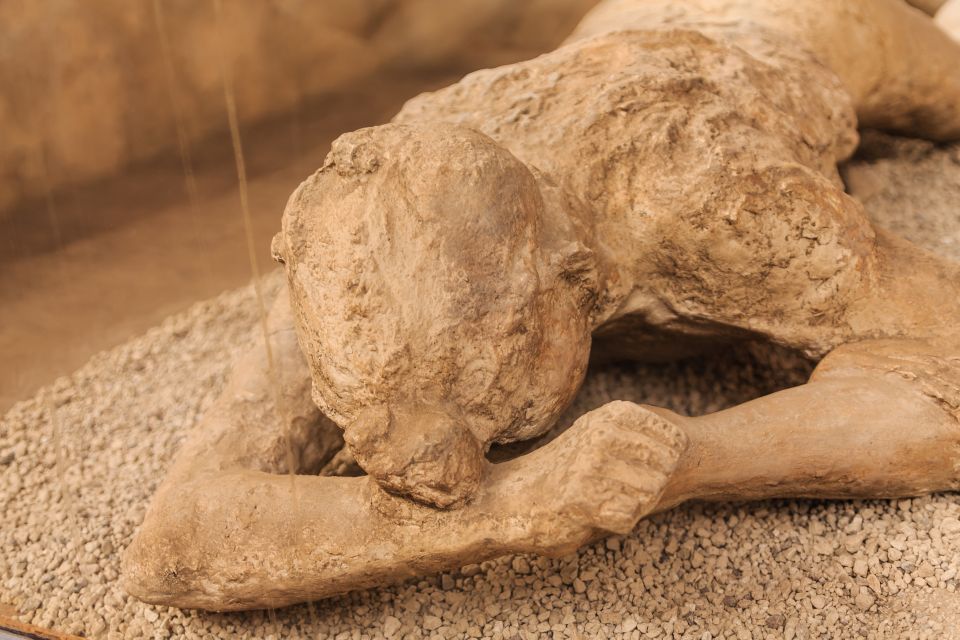
The tour includes visits to plaster casts of humans and animals at the moment of death. This can be heavy. You don’t want a rushed explanation here, and the tour’s time structure helps because the guide can frame what you’re seeing with care.
The value of this stop is simple: it gives scale to what 79 AD did. Without it, Pompeii risks becoming a set of cool archaeological images. With the casts, the tragedy is anchored to bodies, to the animals that lived nearby, and to the final seconds people faced.
In a good guided tour, that moment doesn’t turn into a performance. It becomes a respectful pause in the story—so you leave understanding more than you feel.
Temples, Theaters, and the City’s Loudest Spaces
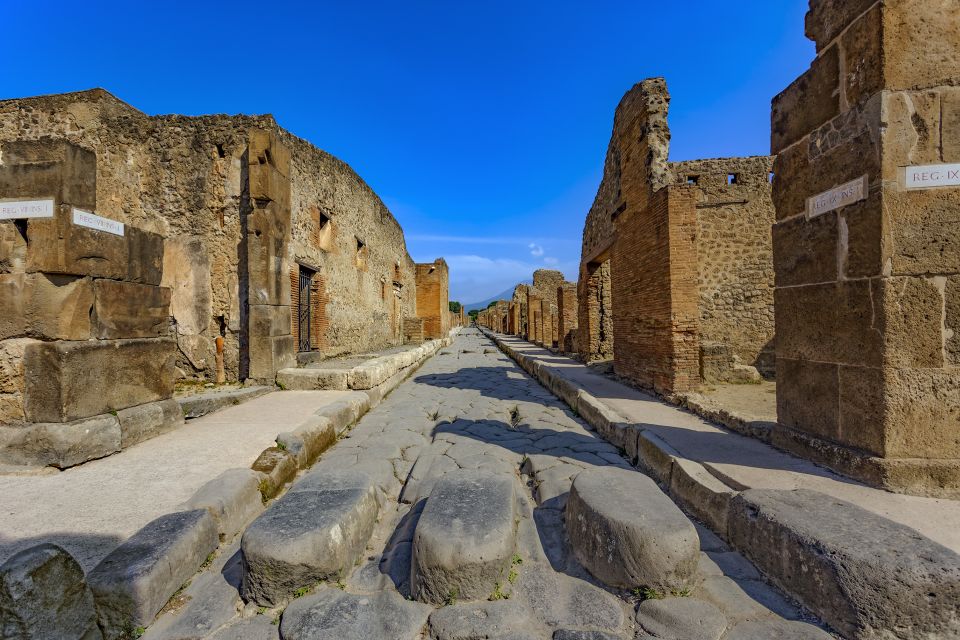
Pompeii’s public entertainment and religion are big themes in the route. You’ll see stops including the Temple of Apollo, plus major performance sites such as the Large Theatre and the Amphitheater.
Temple of Apollo
The Temple of Apollo stop is a solid way to understand civic religion and how Romans structured faith into city space. The guide helps you read it as more than a religious landmark—this is where communal identity shows up in stone.
Large Theatre and Amphitheater
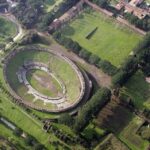
The Large Theatre and Amphitheater of Pompeii give you the city’s loud side. Even if you can’t fully recreate a show in your head, a guide can point out sightlines, the logic of seating, and how entertainment fit into the calendar of public life.
If you’re wondering why Pompeii feels like a complete city rather than a scattered collection of ruins, these stops are a big reason why. They show planned gathering spaces built for audiences.
Value and Timing: Is 2 Hours Worth $175.74?
At $175.74 per person for a 2-hour guided tour, this isn’t a budget add-on. But Pompeii isn’t a cheap place to visit, and entry tickets are included—plus you’re getting disposable earphones (helpful in bigger groups), an archaeologist-style guide, and a route designed to hit major sites on the western side efficiently.
So the real value question is: will you get more out of this than wandering on your own with a guidebook? For many people, yes—because Pompeii is hard to interpret at speed. With a pro leading you through the Forum, Basilica, Thermal Baths, Lupanar, plaster casts, houses, and theaters, you spend your limited time learning what matters rather than guessing.
The main trade-off is depth. This tour won’t replace a full day at Pompeii. If you want long stops to sketch, read every sign, or take unhurried breaks in every neighborhood, you might feel a bit rushed. But if you want a guided primer that makes the ruins click fast, 2 hours is a fair compromise.
Who This Tour Fits Best (and Who Should Skip It)
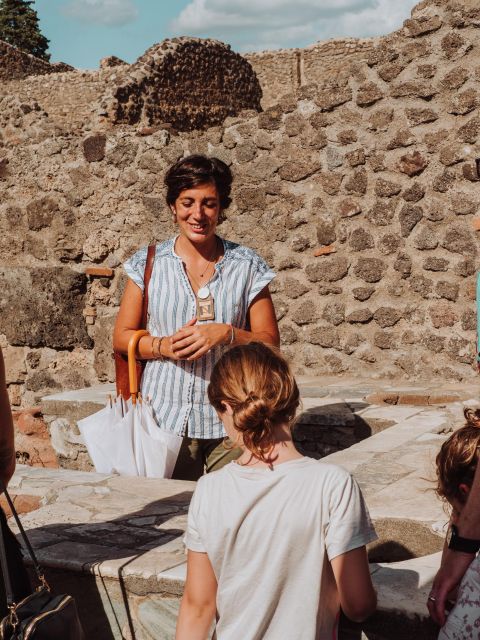
This tour is a great fit if:
- You want major Pompeii sights in a guided, organized route without committing to a full day
- You care about how Romans lived—public life, bathing routines, and private home life
- You like expert interpretation, including the human side of the eruption through plaster casts
You might want a different format if:
- You need wheelchair-friendly accommodations without any uncertainty (see the note below)
- You want to spend a long time lingering in each location rather than covering a set route in 2 hours
- You’re aiming for a photography-only visit where you’ll ignore most explanations
Quick Practical Tips That Make Pompeii Easier
Bring comfortable shoes, plus sunglasses, a sun hat, and water. The ruins don’t care if you’re tired, and the sun can turn “a quick walk” into a slog if you haven’t planned.
Also, plan for the reality of Pompeii’s size. Even with a guided route, you’re walking a fair amount. Earphones help, but you still need to keep up with the pace.
If you’re visiting on the first Sunday of each month, entrance is free—but tickets can’t be reserved ahead of time, so entry isn’t guaranteed. That matters if you’re relying on a set schedule.
One more note on mobility: the activity info includes a statement that it’s wheelchair accessible, but it also lists it as not suitable for wheelchair users. Because that conflict is real, the smartest move is to confirm directly with the operator before you go.
Should You Book This Pompeii Archaeologist Tour?
I’d book it if you want Pompeii to feel readable in just 2 hours. The combination of Forum + Basilica + thermal life + houses + the Lupanar + plaster casts is exactly the blend that turns scattered ruins into an understandable city.
I’d hesitate if you’re chasing slow travel or if mobility needs require extra clarity. And I’d still plan your expectations: this tour is designed for highlights and interpretation, not a complete, hour-by-hour exploration of every corner.
If you’re on the fence, ask yourself one question: do you want Pompeii as a photo stop, or do you want it as a guided story you can actually follow? This one is built for the second option.
FAQ
How long is the Pompeii tour?
It lasts 2 hours.
Where do I meet the guide?
You’ll meet at Porta Marina Superiore. One listed starting option is Pompei—Porta Marina, Via Villa dei Misteri, 2.
What sights does the tour include?
The tour covers major highlights such as the Forum/Civic area, Basilica (Court House), Thermal Baths/Forum Baths, an old brothel (Lupanar), plus Roman houses and entertainment spaces like a Large Theatre and the Amphitheater.
Does the tour include plaster casts?
Yes. The tour includes plaster casts of humans and animals connected to how people died during the eruption.
What languages are available for the guide?
Guides are available in French, German, Spanish, Italian, and English.
Is the tour private?
Yes, it’s listed as a private group experience.
What should I bring to Pompeii?
Bring comfortable shoes, sunglasses, a sun hat, and water.
Are the ruins free on the first Sunday of the month?
Yes, entrance is free on the first Sunday of each month, but tickets can’t be reserved ahead of time, so entry isn’t guaranteed.