REVIEW · ROME
Welcome To Rome Experience
Book on Viator →Operated by Welcome To Rome · Bookable on Viator
Want the whole story of Rome, fast? Welcome To Rome is a one-hour multimedia show where projections and interactive 3D models walk you through how the Eternal City evolved, and you start with a pre-purchased ticket on your phone. It runs in English and sits in central Rome, with multiple daily showings.
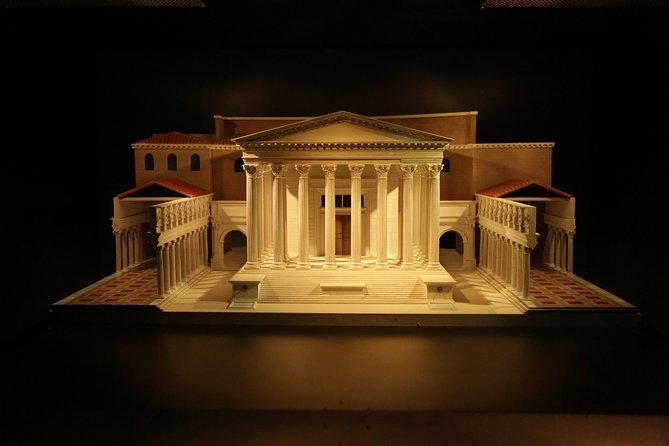
I love the 3D reconstructions that help you picture ancient buildings alongside today’s view. I also like the family-friendly pace: audio, video, and short interactive stops keep the focus on big-picture history without turning your day into a lecture marathon.
One drawback to plan for: the format includes several small areas before you settle into the main film. If you’re traveling with very young kids or you’re craving deeper detail on ancient Rome, you might feel it’s a bit thin for the ticket price.
In This Review
- Key Takeaways Before You Go
- What the Welcome To Rome Experience Actually Feels Like
- How the Multimedia Format Works (Audio, Video, and the 3D Rooms)
- Stop 1: Welcome To Rome—A Visual Timeline You Can Use Later
- What to expect during the show
- A fair heads-up
- Location on Corso Vittorio Emanuele II: Timing, Transit, and Pairing With Your Day
- Price Value: Is $21.77 Worth It for What You Get?
- Who Should Book Welcome To Rome Experience—and Who Might Skip It
- The Bottom Line: Should You Book It?
- FAQ
- How long is the Welcome To Rome Experience?
- Is the Welcome To Rome Experience offered in English?
- Is this experience in one location or multiple stops?
- Do I need a printed ticket?
- Where is the experience located?
- Are there multiple showings each day?
- What’s the latest time I can enter?
- Is the experience near public transportation?
- Can I cancel for free?
- Is it okay to bring a service animal?
Key Takeaways Before You Go
- One-hour orientation win: A quick way to understand what you’ll see later in Rome.
- Rome’s story starts with geology: The show begins with Rome’s early landscape and volcanoes.
- 3D “then vs. now” visuals: You’ll watch monuments and settings evolve into what you can visit today.
- Audio + interactive stations: You don’t just sit there—you move through visual stops with audio support.
- Main film is a sit-down moment: A large chunk of the experience happens in an auditorium.
- Expect occasional audio hiccups: If your radio fails, staff can swap it out.
What the Welcome To Rome Experience Actually Feels Like
This isn’t a museum you wander. It’s a scripted show designed to help you see Rome’s timeline in a short amount of time. You’ll get guided through how the city developed—starting with the earliest formation of Rome—and then stepping through major architectural eras as the visuals transform.
The big practical win is that you can buy ahead and use a mobile ticket, so you’re not burning time in line before a show that’s only about an hour long. The location is also central on Corso Vittorio Emanuele II, 203 (00186 Roma) and is described as close to public transportation, which matters when your schedule is already packed with walking, tickets, and timed entries.
For first-timers, the show works like a map you can carry in your head. For families, it’s built to keep attention moving: audio support, projections, and short “stations” rather than one long lecture.
You can also read our reviews of more tours and experiences in Rome.


How the Multimedia Format Works (Audio, Video, and the 3D Rooms)
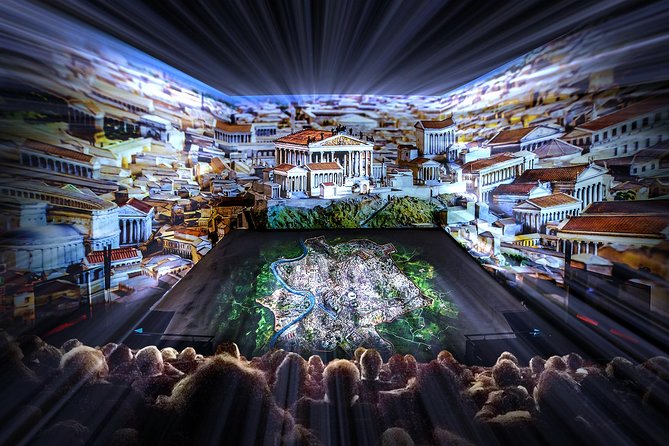
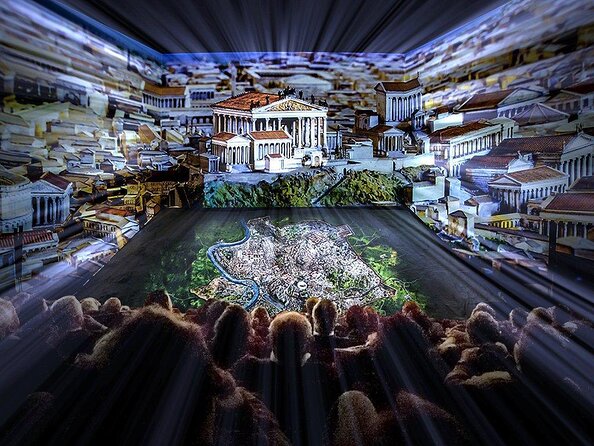
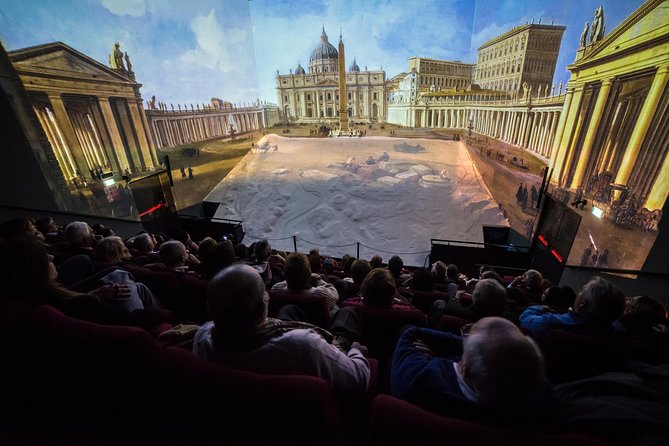
Think of the experience as a guided route through different kinds of presentation. You move through smaller areas where you watch projections and interact with 3D diorama-style views, and you also have an audio guide in English. At some point you transition into the main auditorium for the longer video portion.
A key detail for your comfort: there’s a seated part (the main film), but the hands-on stations require you to stand and shift between them. If your day includes lots of uphill walking (Rome does that to you), you may want to plan a calmer afternoon or take a break right before or after.
Also, keep in mind that the audio setup uses radios. Some people report radios didn’t function properly at times, but staff were available to replace the radio with a working one. So if you notice any dead audio, don’t wait—ask right away.
Finally, the production leans hard on visual storytelling. That’s great for most people, including kids who learn by seeing. If you prefer books, museum labels, and lots of dates and names, you may wish the show went further on ancient Rome specifics—but that’s the trade for a tight one-hour format.
Stop 1: Welcome To Rome—A Visual Timeline You Can Use Later
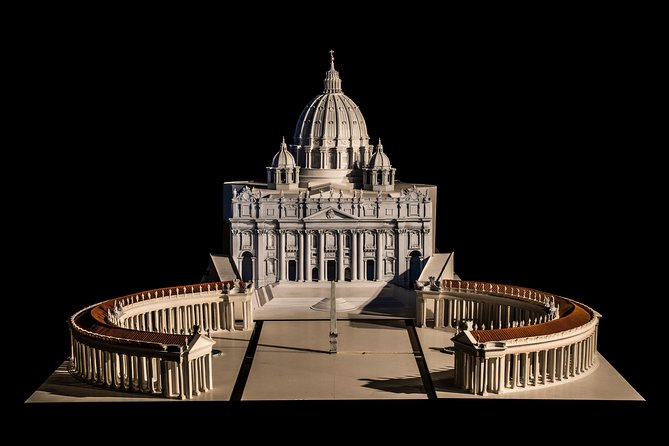
The whole experience is built around a single show: you’ll walk into Welcome To Rome and be carried through Rome’s evolution with projections and interactive 3D models. The structure is designed so that walking through the city later feels more understandable—like the stones already came with captions.
One of the most praised elements is how the story begins early. The narrative starts with Rome’s early setting, including a quick geological explanation of how the city formed, and the show then moves through architectural and historical periods in a way that’s meant to help you build perspective quickly. One of the clever tricks is the “then vs. now” effect: the visuals change so you can connect what you see today with what once stood there.
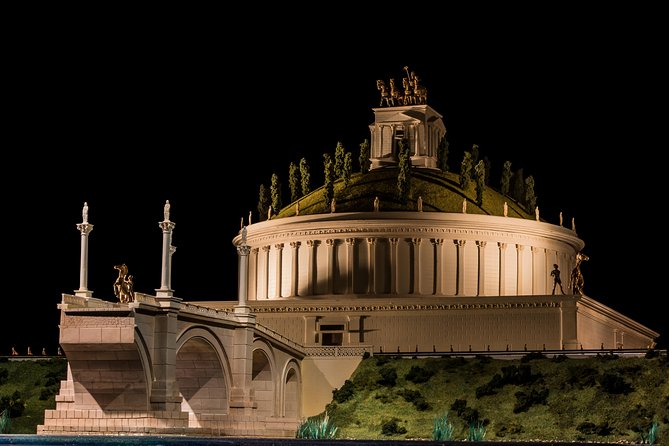
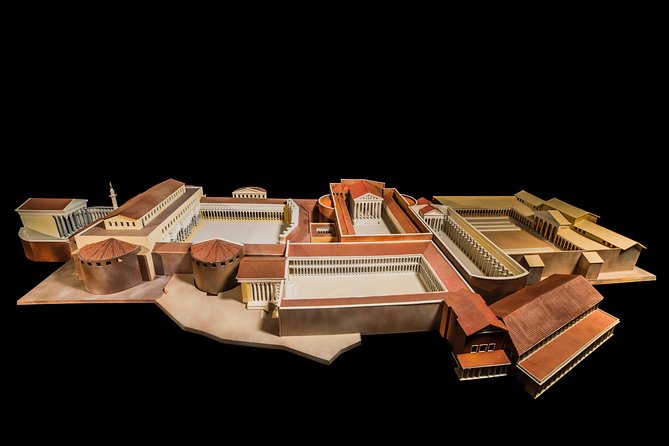
You’ll also get a recreated look at monuments and structures (including 3D projections that show buildings as they may have looked when built). In feedback, people specifically liked that it made it easier to imagine Rome’s layout when they later visited places like the Roman Forum, Palatine Hill, and the Colosseum.
What to expect during the show
- You’ll be guided through different eras using audio and visual reconstructions.
- You’ll see models and graphics that help connect buildings to the city’s timeline.
- The final portion includes a film in a main auditorium setting.
A fair heads-up
If you’re expecting a deep dive into ancient Rome archaeology, you might feel the show ends before it gets fully technical. Some families also found it easier for kids around school age than for children under 8, since the attention span needed for moving between stations can be a lot at that age.




Location on Corso Vittorio Emanuele II: Timing, Transit, and Pairing With Your Day
This experience is in a central spot on Corso Vittorio Emanuele II, which is useful for planning. The show is near public transportation, so you can fit it into a day without adding a long commute—big bonus when you’re also coordinating entrances to major sites.
Because it’s only about an hour, I like using it as a “day one reset.” Get it early, and suddenly the rest of your itinerary makes more sense. People who booked it first day described it as a high-level overview that set their imagination on fire and made later visits easier to follow.
It also helps that there are multiple showings daily. That gives you flexibility if you hit crowds later in the day or if weather is acting up.
One timing detail to keep you from rushing: the last entry is one hour before closing. So even if you see a “start time” on your ticket, be sure your arrival leaves enough time to get settled before the final cutoff.
Practical move: if you can, arrive a little early. Some feedback suggests you can show up early and start the program, which helps when your Rome day runs long.
Price Value: Is $21.77 Worth It for What You Get?
At $21.77 per person for about one hour, the value depends on your goal.
If you want context fast—something that helps you connect ruins, churches, and major sites across time—this is the kind of ticket that can be worth it. You’re paying for time compression. Instead of spending hours piecing together a timeline, you get a curated visual walkthrough that aims to give you the big picture quickly. Many people rated it highly for exactly that reason: it helps you understand what you’re looking at later.
For families, the value can land well too because the show mixes audio, interactive visuals, and a main film. If your kids get restless in static environments, this format can be easier than a conventional exhibit.
That said, not everyone felt it matched the price. A few reviews called it overpriced or said the execution wasn’t engaging enough. Some also reported issues like cleanliness in common areas or broken seats in the auditorium. Those complaints may not affect every visit, but they are worth considering if comfort matters to you.
My rule of thumb: if your main goal is orientation and you like visual learning, it’s a reasonable buy. If you want deep historical detail, you’ll probably want to pair it with a walking tour or a museum visit where you can slow down and read.
Who Should Book Welcome To Rome Experience—and Who Might Skip It
Book it if:
- You want a fast history foundation before touring major sights.
- You like visual learning and the “then vs. now” style of education.
- You’re traveling with family members who benefit from short, varied segments.
- You want a central, easy add-on that doesn’t eat your whole day.
You might consider skipping or swapping for something else if:
- Your group includes very young kids who can struggle with standing and switching between stations.
- You prefer deeper, more academic explanations and lots of ancient details.
- You’re highly sensitive to comfort issues like seating and room cleanliness (some feedback raised these points).
The Bottom Line: Should You Book It?
If you’re trying to make your first days in Rome feel coherent, I think Welcome To Rome is a smart “warm-up” ticket. It’s short, central, and built to help you interpret what you’ll see later—especially if you’re planning to visit major sites like the Forum area or the Colosseum within the next couple of days.
I’d book it early in your itinerary, when you’ll most benefit from the timeline and 3D reconstructions. Then use it as a springboard: walk those ruins with clearer questions in your head.
FAQ
How long is the Welcome To Rome Experience?
The show runs about 1 hour.
Is the Welcome To Rome Experience offered in English?
Yes, it’s offered in English.
Is this experience in one location or multiple stops?
It’s a single-stop experience centered on Welcome To Rome.
Do I need a printed ticket?
No. You’ll use a mobile ticket.
Where is the experience located?
The address is Corso Vittorio Emanuele II, 203 – 00186 Roma (RM).
Are there multiple showings each day?
Yes. It’s offered with multiple showings daily.
What’s the latest time I can enter?
The last entry is one hour before closing.
Is the experience near public transportation?
Yes, it’s near public transportation.
Can I cancel for free?
Yes. You can cancel for a full refund up to 24 hours in advance. If you cancel less than 24 hours before the start time, the amount paid isn’t refunded.
Is it okay to bring a service animal?
Service animals are allowed.