REVIEW · ROME
Rome: Vatican Museums and Sistine Chapel Tour
Book on GetYourGuide →Operated by QUO VADIS TOUR · Bookable on GetYourGuide
Skip-the-line at the Vatican is pure strategy. This tour is interesting because it lines up a live guide and audio headsets to steer you through the Vatican Museums, the Sistine Chapel, and the Raphael Rooms without the usual slog. I especially like that you get skip-the-line entry using a separate entrance, so your time goes to art, not queues.
The second big win is how the route is built around major stops, including the Raphael Rooms and the Sistine Chapel, with guides like Luis and Ekaterina praised for keeping the stories clear and the group moving. One drawback to plan for: the Sistine Chapel is still crowded, and the headset audio can be inconsistent in the thick of it, so bring patience and keep close to your guide.
In This Review
- Key Things You’ll Notice Right Away
- Skip-the-Line Route: Saving Hours in Vatican Time
- Where You Meet and How to Not Lose Time at Check-In
- Vatican Museums: The Route That Turns Hallways into Meaning
- The Museums Building Blocks You’ll Actually Remember
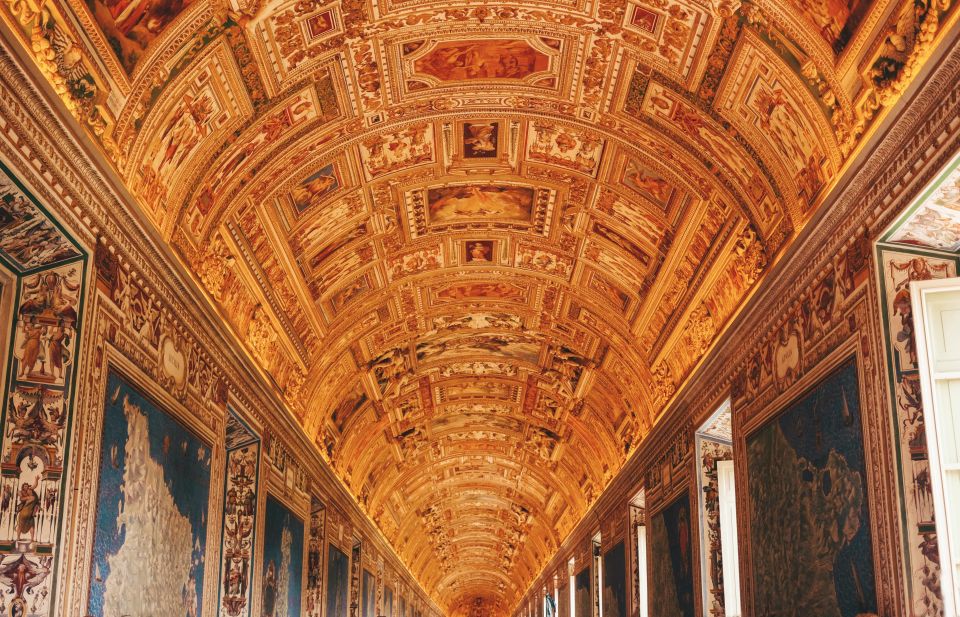
- Guided Stops: Gallery of Tapestries and Gallery of Maps
- Raphael Rooms: The Smart Bridge to the Sistine Chapel
- Sistine Chapel: World-Class Art, Real-Life Crowds
- St. Peter’s Basilica Finish: If Available, It’s a Big Win
- Price and Value: Is $132.54 Worth It?
- What to Bring (and What to Wear) for Smooth Entry
- Who This Tour Suits Best (And Who Should Rethink It)
- Should You Book This Vatican Museums and Sistine Chapel Tour?
- FAQ
- How long is the Vatican Museums and Sistine Chapel tour?
- Does this tour include skip-the-line entry?
- What’s included in the tour?
- Is St. Peter’s Basilica included?
- What languages are offered for the live guide?
- What should I wear or avoid?
- Is the tour cancellable?
Key Things You’ll Notice Right Away
- Skip-the-line entry through a separate entrance, so the day starts faster than most Vatican plans
- Official guide + headset system to help you follow the art instead of just drifting
- Structured highlights like the Gallery of Maps and Gallery of Tapestries, not random wandering
- Michelangelo and Raphael focus with a route that connects the big names
- Hands-on context for eras and regions beyond Italy, including Etruscan, Egyptian, and Ethnological collections
- Finish at St. Peter’s Basilica (if available), which can save you from another long St. Peter’s entry shuffle
Skip-the-Line Route: Saving Hours in Vatican Time
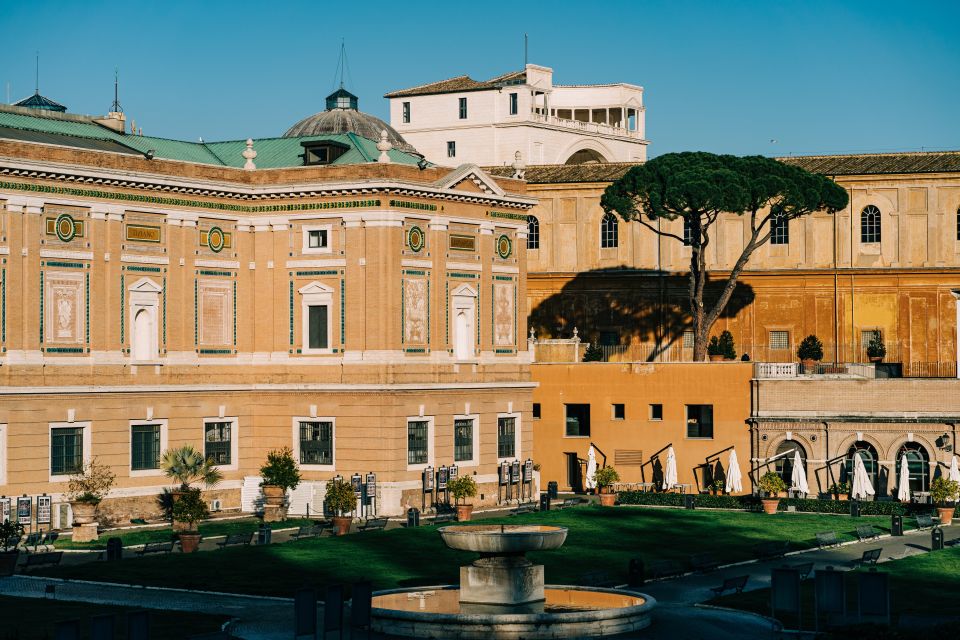
The Vatican Museums can eat a whole day. The main value of this tour is that it tackles the biggest time-killer first: getting you into the Museums and Sistine area without waiting in the standard entry line. You do this with a skip-the-line ticket plus access through a separate entrance.
That matters because Vatican “time” isn’t only about the official duration. Even a well-run visit slows down in crowded corridors, at choke points, and while you re-orient yourself. With a guided flow, you spend more minutes looking at art and fewer minutes figuring out where to stand and what to see next.
You’ll also be equipped with an official Vatican Museum headset. That’s not a luxury detail here; it’s part of how the tour stays workable in a noisy, packed building. If you’ve ever been in a big museum where you keep losing the guide in the crowd, this setup is designed to help you not miss the key explanations.
You can also read our reviews of more tours and experiences in Rome.

Where You Meet and How to Not Lose Time at Check-In
The start is flexible, with multiple meeting point options depending on what you booked. One listed address is Via Sebastiano Veniero, 21. The practical takeaway is simple: verify your exact meeting location before you go, then arrive a bit early.
You should expect the meeting point to be your true “launch moment,” not just a casual gathering. There’s Wi‑Fi at the meeting point, and you’ll pick up the headset experience as part of the tour setup. If you’re traveling with a group or you’re nervous about finding a spot in Rome, this is one of those situations where arriving early reduces stress fast.
Also note: this is a walking tour through indoor and outdoor transitions, and it’s not recommended for walking disabilities or wheelchair users due to uneven surfaces. If mobility is a concern, consider whether a shorter, less step-heavy option fits you better.
Vatican Museums: The Route That Turns Hallways into Meaning
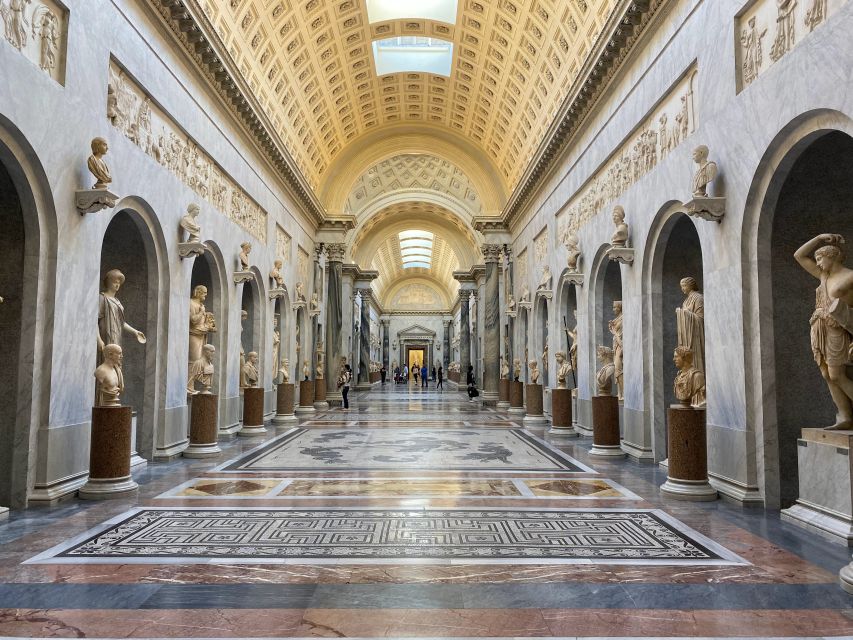
This tour is guided through the Vatican Museums with focused stops, not a “see everything” promise. That’s good news. The Museums are massive, and most self-guided visits end the same way: you look at a lot, but you don’t really connect what you saw.
Here’s what the route emphasizes:
The Museums Building Blocks You’ll Actually Remember
You’ll cover big artistic anchors across different collections, including works and artists named in the tour description such as Giotto, Leonardo, and Caravaggio in the Pinacoteca area, plus van Gogh, Matisse, and Moore in the contemporary section. Even if you’re a classical-art purist, the contrast helps you understand how museums shape how we see art across time.
Then there are the “museum-with-a-brain” stops: classical antiquity and non-Italian collections like the Etruscan and Egyptian Museums, plus non-European works in the Ethnological Museum. This is one of the reasons I think guided access is worth it. You start to see the Vatican not only as a church treasure chest, but as a curatorial machine with collections spanning centuries and cultures.
Guided Stops: Gallery of Tapestries and Gallery of Maps
Two of the most memorable guided segments are the Gallery of Tapestries and the Gallery of Maps.
- Gallery of Tapestries: you’ll see how monumental decorative art communicates power and identity. Even at a glance, the scale is hard to ignore, and with a guide, you’re more likely to notice the details that make the room feel alive rather than just decorative.
- Gallery of Maps: this is where the Vatican Museum experience can turn from art appreciation into geographic storytelling. You’ll be looking at maps as objects with meaning, not just backgrounds for photos.
A practical note: these big showrooms can get packed quickly. If you tend to panic when there’s nowhere to stand, keep your eyes on your guide’s cues and try to stay near the front of the group so you don’t lose the explanation.

Raphael Rooms: The Smart Bridge to the Sistine Chapel
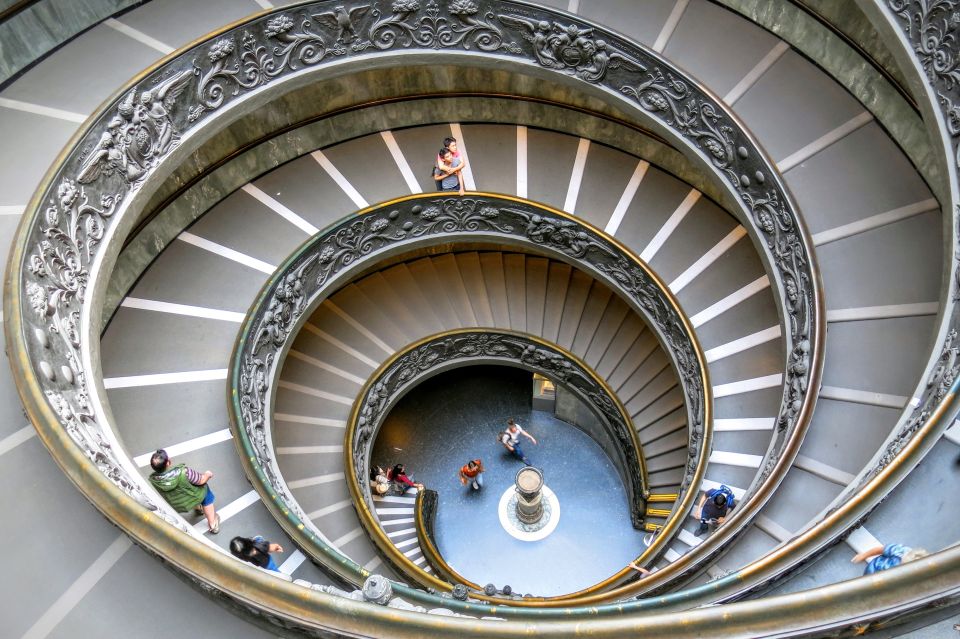
The tour includes the Raphael Rooms as part of the guided experience. You don’t just get to them—you get context for what you’re looking at before the visual shock of the Sistine Chapel.
Why this bridge matters: Raphael’s work is often more about clarity, composition, and coherent storytelling, while Michelangelo pushes toward expressive force and spiritual drama. When you see those differences in sequence, the Sistine experience lands with more impact.
If you’re the kind of visitor who likes to understand why certain scenes became famous, the guided approach helps. Without it, the Raphael Rooms can feel like beautiful walls. With it, you’re more likely to catch the themes your guide points out and hold onto them after you leave.
Sistine Chapel: World-Class Art, Real-Life Crowds
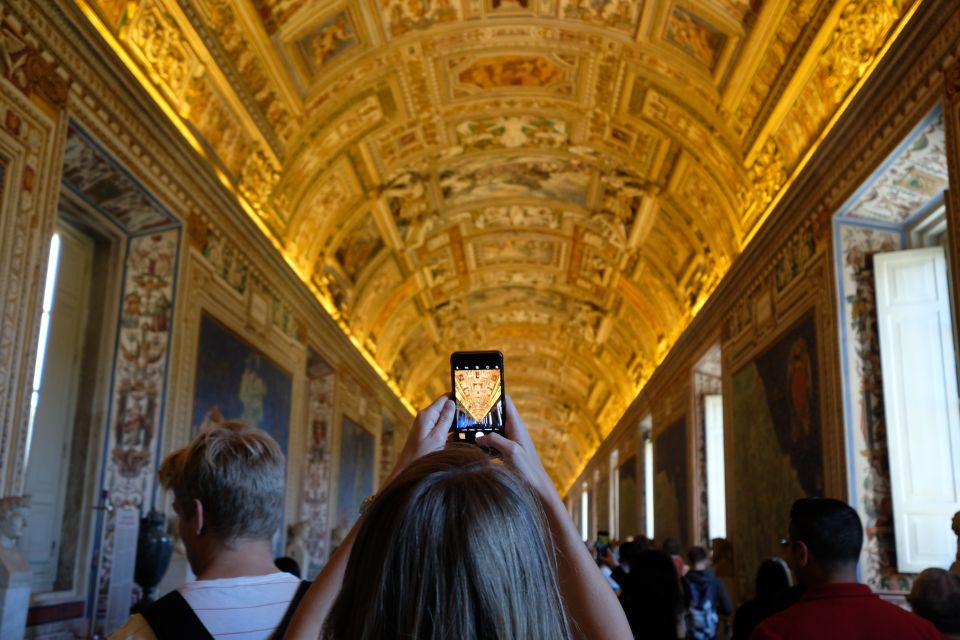
The Sistine Chapel is the headline, but the experience is also about managing expectations. Even with skip-the-line access, once you enter the Chapel, you’re inside the same world of tight spacing, careful sightlines, and strict crowd flow.
This is where your headset and guide proximity matter most. Some people find the system works smoothly; others report audio that can be weaker at times, with static-like issues. So here’s your simple strategy: stay close enough to the guide that you can follow the story even if the audio dips.
Also remember: the Chapel visit is guided, but you don’t control the crowd. That means you should plan to be flexible with viewing time. If you’re sensitive to noise or claustrophobic environments, consider whether a smaller-group alternative would feel safer.
One more timing reality: the flow continues toward St. Peter’s after the Chapel, and the transition can be time-sensitive. If your schedule is tight, it’s smart to choose a slot earlier rather than later, so you’re less likely to feel rushed at the end.
St. Peter’s Basilica Finish: If Available, It’s a Big Win
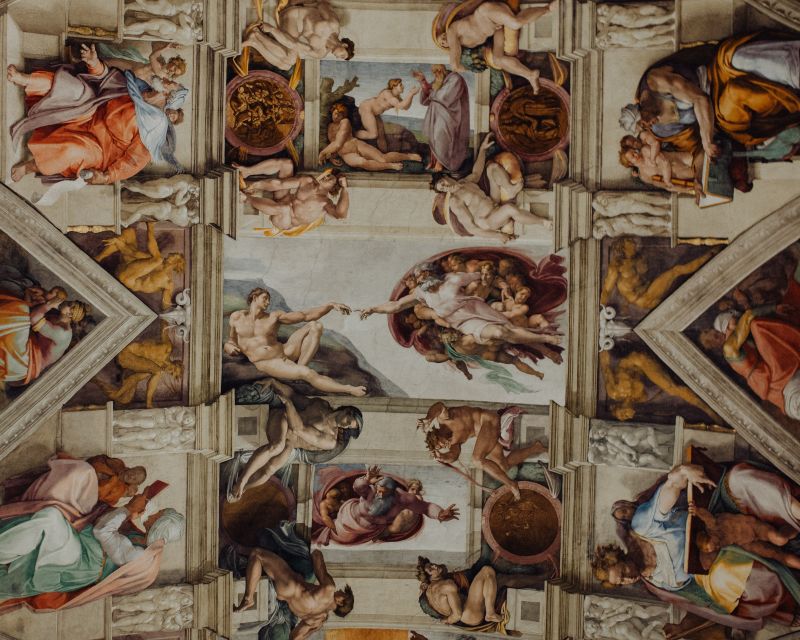
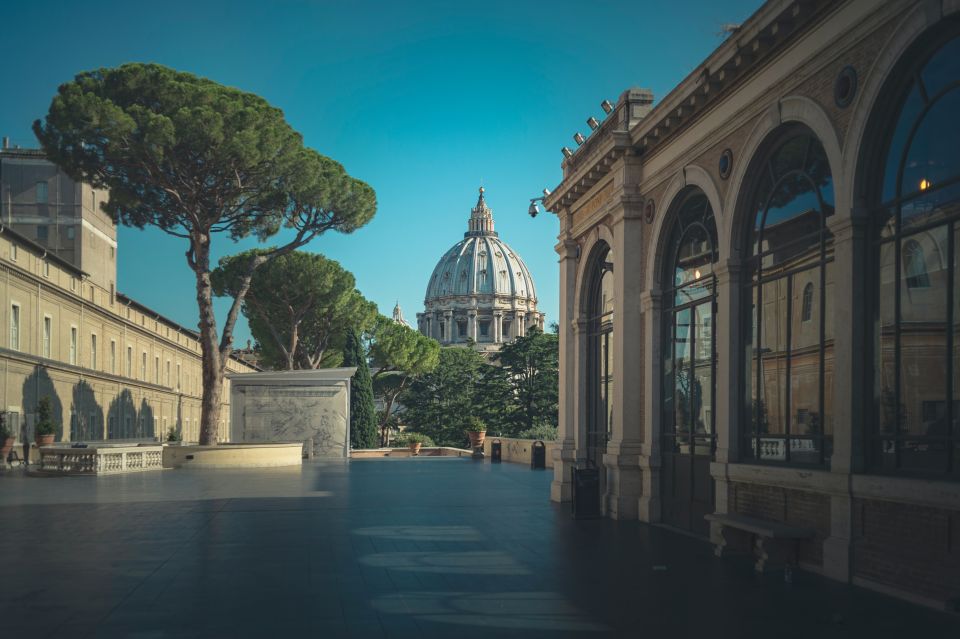
Your tour finishes at St. Peter’s Basilica. The highlights mention access to the world’s largest cathedral if available. That conditional matters: your end experience can depend on how things are running that day, and whether the tour slot can connect you to the Basilica flow.
Still, even when it’s only a partial connection, ending at St. Peter’s can be a big value add. St. Peter’s is a magnet. If you arrive there after your Vatican Museums visit with a guide managing transitions, you’re likely to lose less time than if you try to stitch it together alone.
One important detail: access to the Dome is not included. So plan on seeing the interior experience, not climbing your way to the roof views. If the Dome matters to you, you’ll need a separate plan.
Price and Value: Is $132.54 Worth It?
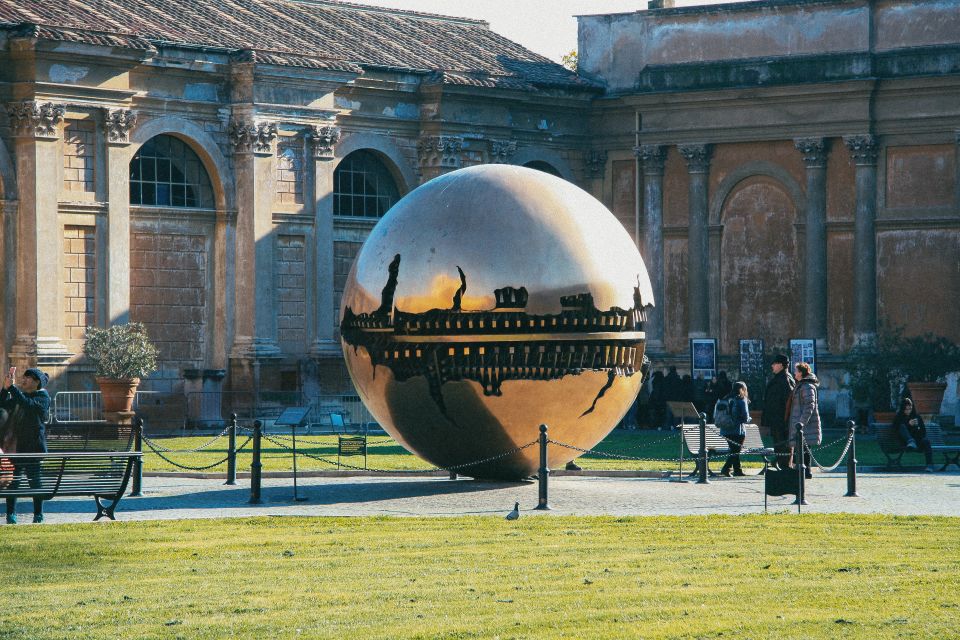
At $132.54 per person for a tour lasting about 2.5 hours (starting times vary), this isn’t a budget option. The key question is what you’re buying besides entry.
Here’s what you’re paying for that adds up:
- Skip-the-line entry: you’re purchasing time. For most people, that’s the biggest value lever in Rome.
- Official guide: the Vatican is too complex to be “read” well without help unless you already know your art history.
- Headsets: in a crowded environment, that’s what keeps the tour from turning into a silent shuffle.
- Curated coverage: the route includes specific high-demand rooms like the Gallery of Maps, plus the Sistine Chapel and the Raphael Rooms.
Would I call it cheap? No. But for first-time visitors—especially those who want the big masterpieces without sacrificing the entire day to waiting—it often feels like the right trade: pay more, see more meaningfully, and spend less time stressed.
If you already know exactly what you want and you love wandering without structure, you might feel the price less justified. But if your goal is a first-class hit list plus context, this is usually a sensible splurge.
What to Bring (and What to Wear) for Smooth Entry
This tour is straightforward, but the Vatican can be strict, so follow the dress guidance:
- Bring comfortable shoes
- Bring a passport or ID card for children
- Avoid shorts, short skirts, and sleeveless shirts
Also, think about how you’ll handle the physical side. The tour isn’t recommended for wheelchair users or people with walking disabilities because of uneven surfaces.
If you want less hassle during the day, pack light. You’ll be moving through dense areas and you don’t want bags to slow you down at entrances, along walls, or in stair-and-corridor transitions.
Who This Tour Suits Best (And Who Should Rethink It)
This experience is best for you if:
- You’re visiting the Vatican for the first time and want a guided route through major rooms
- You care about understanding what you’re seeing—especially around Michelangelo and Raphael
- You want to avoid the biggest waiting pain and keep your schedule moving
This tour is less ideal if:
- You need step-free access and wheelchair accommodations
- You strongly dislike crowds and would rather choose a different visit style
- You’re looking for a slow, do-your-own-pace museum day
And if you’re traveling with older relatives or anyone who needs frequent breaks, this is one of those plans where you should consider whether the pace works for your group. The content is excellent, but it’s still a “move through the museum” experience.
Should You Book This Vatican Museums and Sistine Chapel Tour?
I’d book this tour if you want a high-impact Vatican day without wasting half it in lines. The combination of skip-the-line entry, an official guide, and the headset setup is exactly what turns the Vatican from a confusing maze into a story you can follow.
I’d think twice if you’re sensitive to crowds, rely on fully step-free routes, or you plan to spend lots of extra time lingering. In those cases, a different approach might keep your day calmer.
If your top priorities are Michelangelo, Raphael, and getting to St. Peter’s without a separate headache, this is a strong match. Just remember: the Sistine Chapel is still crowded once you’re inside, so give yourself the mental wiggle room to enjoy it for what it is.
FAQ
How long is the Vatican Museums and Sistine Chapel tour?
The duration is 2.5 hours. Starting times vary, so you’ll want to check availability for the slot you’re interested in.
Does this tour include skip-the-line entry?
Yes. You get skip-the-line access through a separate entrance, including admission to the Vatican Museums and the Sistine Chapel experience as part of the guided route.
What’s included in the tour?
It includes skip-the-line Vatican Museums entry ticket, an official tour guide, guided time in the Vatican Museums and Sistine Chapel, official Vatican Museum headset, and Wi‑Fi at the meeting point.
Is St. Peter’s Basilica included?
The tour ends at St. Peter’s Basilica, and the highlights note access is available if conditions allow. Dome access is not included.
What languages are offered for the live guide?
The live guide is available in English, Russian, Portuguese, and Spanish.
What should I wear or avoid?
You should wear comfortable shoes. Shorts, short skirts, and sleeveless shirts are not allowed.
Is the tour cancellable?
Yes, free cancellation is available up to 24 hours in advance for a full refund.