REVIEW · ROME
Rome: Traditional Pasta with Cocktails Cooking Class
Book on GetYourGuide →Operated by Global Experiences · Bookable on GetYourGuide
Spritz and fresh pasta make a perfect Roman night. In Lazio, this chef-led class pairs fresh pasta with spritzes, and it stays friendly thanks to small groups (up to 14). Expect an English live guide, hands-on cooking, and a proper stop-and-sip rhythm built around three signature cocktails.
I love how practical it feels: you make the dough yourself, then you finish with a sauce choice like carbonara or cacio e pepe and eat what you cook. The other big win is the team vibe—names that come up often include Giovanna, Angela, Benjamin, Laura, and Jem—so the class turns into a fun, easy-flowing evening rather than a lecture. One consideration: there’s no gluten-free, vegan, or lactose-intolerance accommodation because the menu uses dairy and includes wheat-based pasta.
In This Review
- Key takeaways
- Rome Pasta with Cocktails: what makes this class a smart buy
- Where you meet and how the 3 hours usually run
- Aperol, Hugo, and Limoncello: the spritz part you’ll actually remember
- Fresh pasta from scratch: what hands-on training feels like
- Carbonara or cacio e pepe: choosing your sauce and learning the logic
- Eating what you cooked: pacing, portions, and the social part
- Value for $100.82: why the price can make sense in Rome
- Dietary limits: the one thing you must plan for
- Tips to get the best experience (and not regret the spritzes)
- Who should book this class in Rome?
- Should you book this Rome pasta-and-spritz class?
- FAQ
- How long is the Rome pasta and cocktails cooking class?
- What spritzes do you make during the workshop?
- Do you cook pasta during the class?
- Can I choose between carbonara and cacio e pepe?
- Are vegetarian options available?
- Is the class gluten-free, vegan, or dairy-free?
- What is included besides the food and drinks?
- Do you get an English guide?
- Where do I meet for the class?
- Can I cancel for a refund?
Key takeaways
- Up to 14 people means you’re not stuck watching; you get real coaching while you cook
- Three spritzes in one session: Aperol, Hugo, and Limoncello, plus water/soft drinks to keep things steady
- Two sauce options with your own pasta: carbonara or cacio e pepe (vegetarian versions available, but not vegan)
- You eat everything you make, and the pacing is built around cocktails and lunch-style comfort
- Recipes to take home, so the class keeps paying off after your trip
Rome Pasta with Cocktails: what makes this class a smart buy
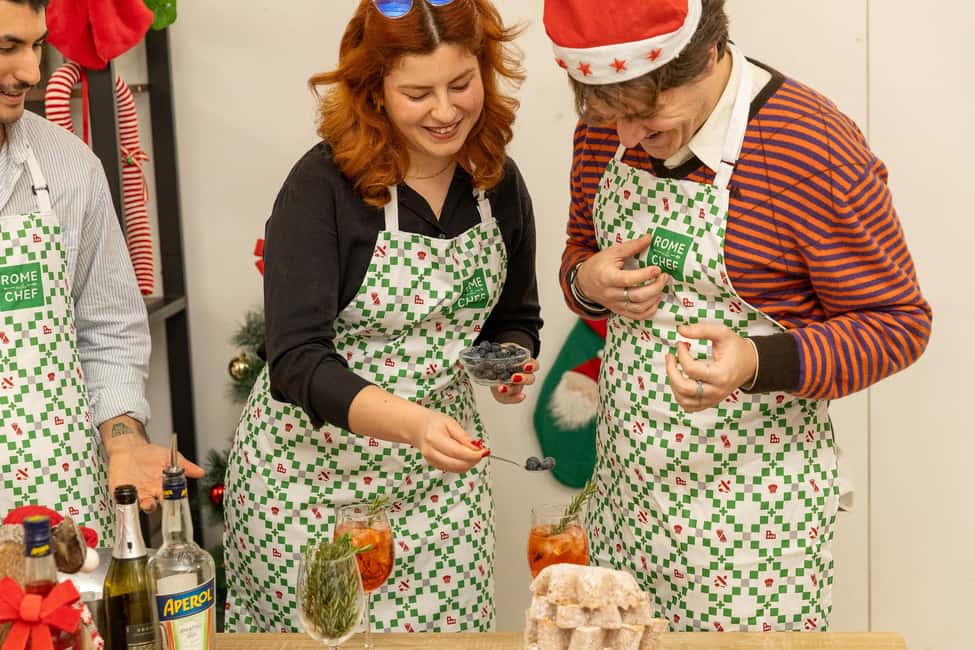
If you want one Rome activity that’s equal parts hands-on and social, this pasta-and-spritz class hits the mark. You’re not just learning to cook—you’re also learning how Italians actually pace a meal: start with something light, sip as you work, then sit down and eat with your group.
What makes it particularly appealing is the pairing. Roman pasta skills can be taught almost anywhere, but the spritz component gives you a Rome-specific flavor—sparkling, citrusy, and designed for slow enjoyment. The class leans into that idea with a mixologist and a chef working together, so you get both drink know-how and proper pasta guidance in the same 3-hour block.
The small size matters too. With no more than 14 people, the instructors can actually watch your technique (dough texture, rolling, sauce handling) and not just toss out generic tips. That’s one reason the reviews are so consistent about the hosts being fun, supportive, and good at keeping the energy up.
You can also read our reviews of more tours and experiences in Rome.


Where you meet and how the 3 hours usually run
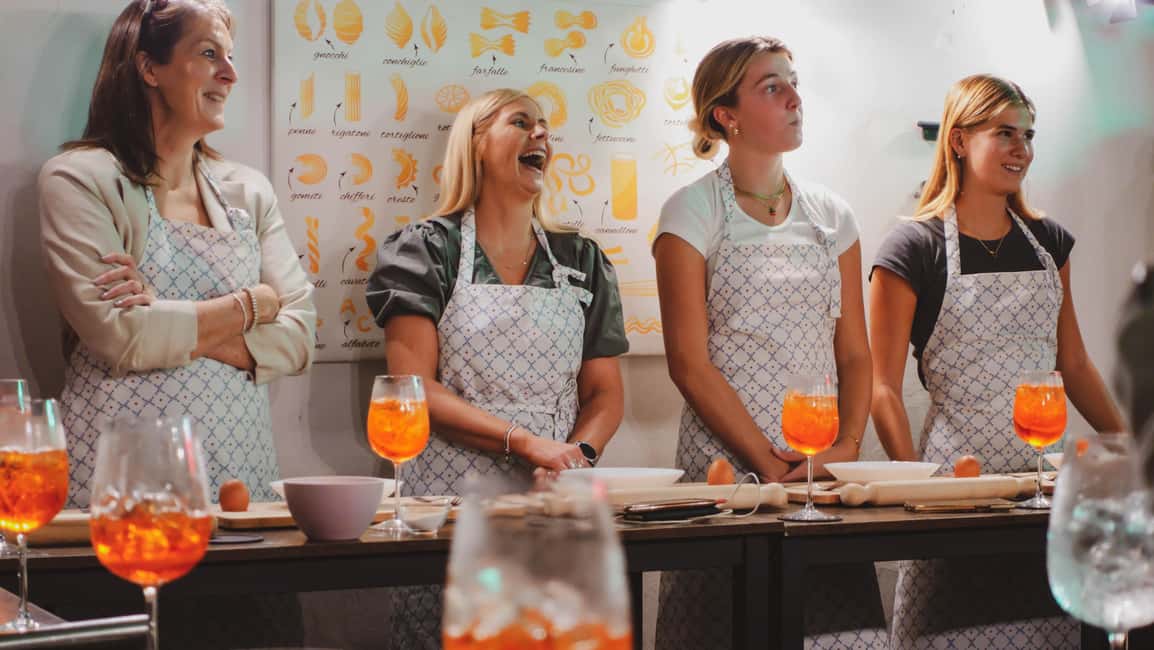
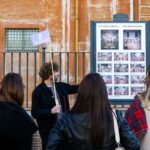
You’ll meet at Via Cesare Balbo, 19, 00184, around the corner from the Hotel 77 entrance. Look for a sign that says Rome With Chef outside the class space.
From there, the timing is built around three phases: cocktails, cooking, then eating. The entire experience runs about 3 hours with an English live tour guide. You’ll also see that the structure is designed for a smooth flow—people get hands-on time, then everyone shares the results at the table with drinks.
If you’re the type who hates feeling rushed, this is a good match. If you’re the type who wants to sprint between major sights, it might feel a bit longer than a quick food stop—but that’s the point. This is a “do it together” class, not a photo-and-go tasting.
Aperol, Hugo, and Limoncello: the spritz part you’ll actually remember
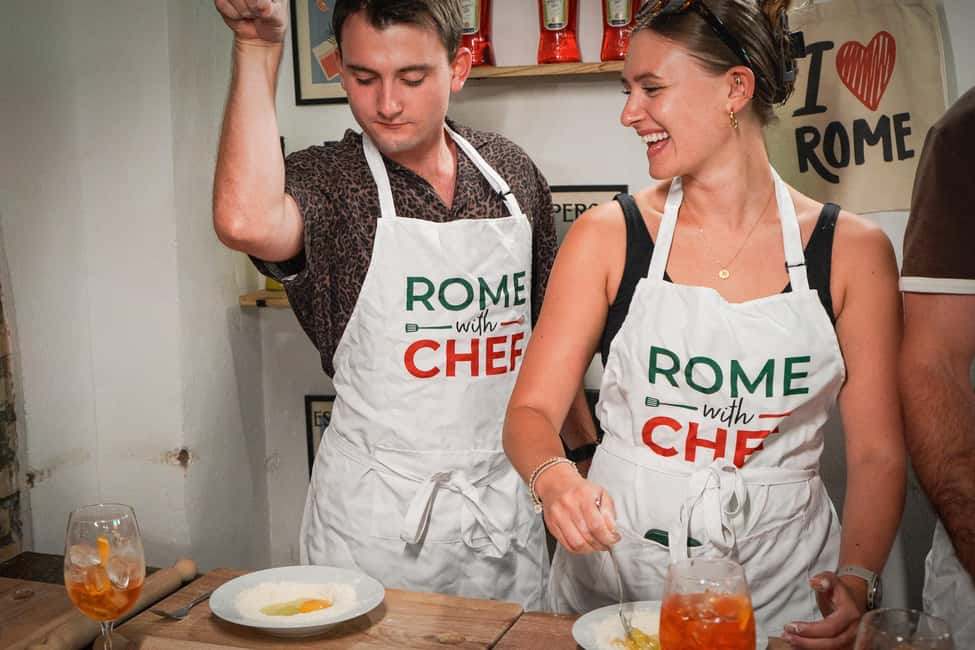
The drink program is the headline: you’ll make three handcrafted spritzes during the session—Aperol, Hugo, and Limoncello. A local mixologist guides you through how to put them together, which matters because spritzes are less about fancy techniques and more about getting the balance right: what’s first, what goes where, and how to keep it refreshing rather than heavy.
You’ll also get a quick cultural thread. The class notes the spritz tradition goes back as far as the 1800s, which gives you a neat perspective: this isn’t just a trendy bar drink. It’s a long-running Italian idea of how to do a casual aperitivo moment—especially in warmer months and in social settings.
In practical terms, you’re not just receiving a drink. You’re building it. That’s why people tend to come away with confidence, not just a nice buzz. And since unlimited water and soft drinks are included, you can pace yourself without constantly asking for more.
Fresh pasta from scratch: what hands-on training feels like
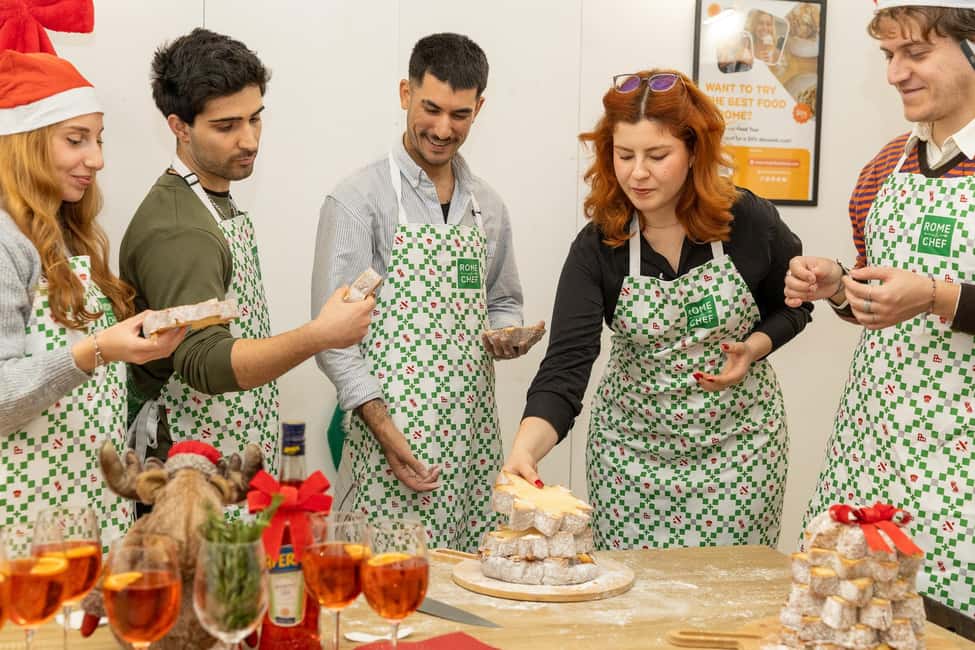
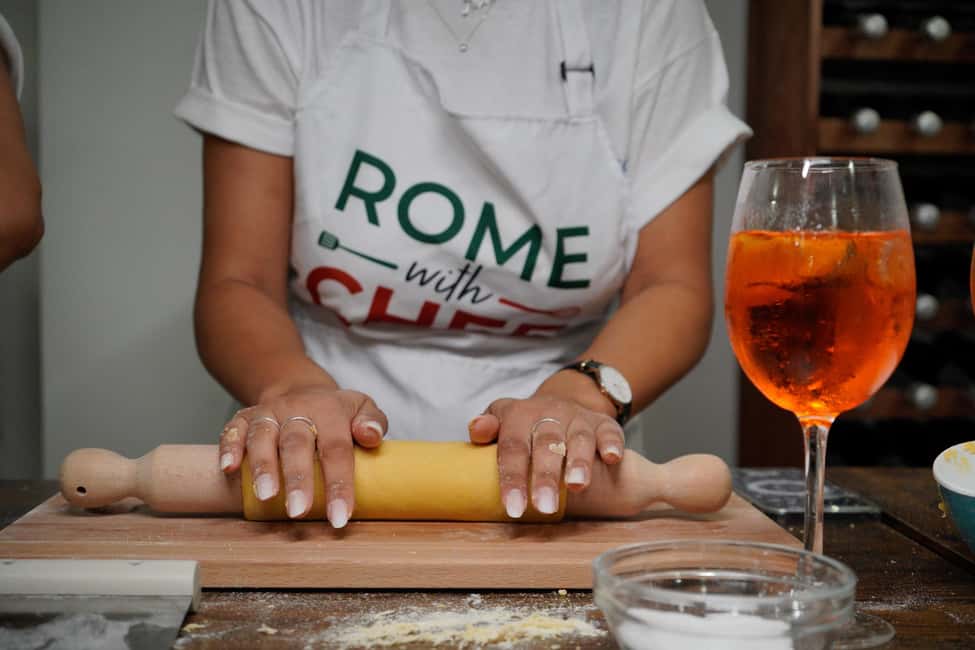
Now for the cooking. You’ll make handmade pasta with guidance from the chef. Expect a real “from dough to finished pasta” approach rather than assembly-line cooking. The class is built for you to practice technique while the chef and assistant help correct what you’re doing—rolling, shaping, and learning the texture cues that separate decent pasta from great pasta.
This part is where the class earns its reputation. Pasta-making has a learning curve, and you don’t want to struggle in silence. With a small group size and instructors watching closely, you get immediate feedback. Reviews consistently call out that the instructions are easy to follow and the hosts are engaging—so you’re not left guessing while your dough dries out or your shapes lose their form.
Vegetarian diners are also supported. The class notes vegetarian options are available for the handmade pasta and sauces. That said, the menu is not designed for vegan diets, and it includes dairy-based ingredients (more on that in the dietary section).
Carbonara or cacio e pepe: choosing your sauce and learning the logic
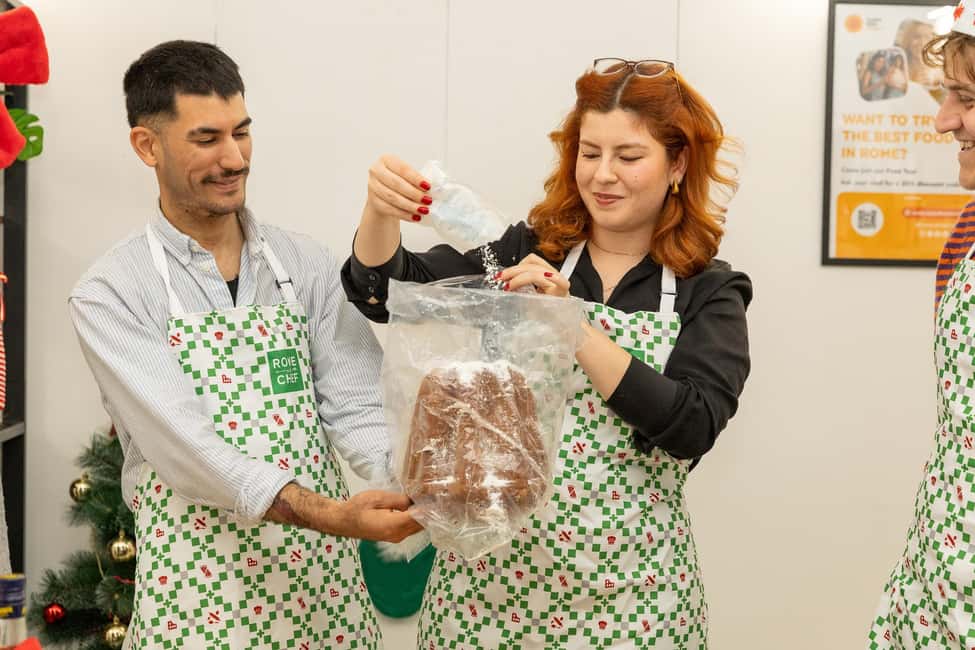
After you’ve made the pasta, you’ll move into sauces. You’ll get a choice: carbonara or cacio e pepe. Either way, the key lesson is how the sauce behaves once it meets pasta—how it clings, thickens, and turns glossy rather than watery.
Carbonara is the more familiar comfort option for many people, and it’s dairy-driven. Cacio e pepe leans on cheese and pepper for a simpler ingredient list with a big flavor payoff. In both cases, you’re learning the “how” as much as the “what.”
One very useful part of this experience is that you get to make your pasta and your sauce within the same setting. That means you can ask questions while the ingredients are on the table and the technique is fresh. When people say they can’t wait to try it at home, this is usually why: you understand the process, not just the recipe card.


Eating what you cooked: pacing, portions, and the social part
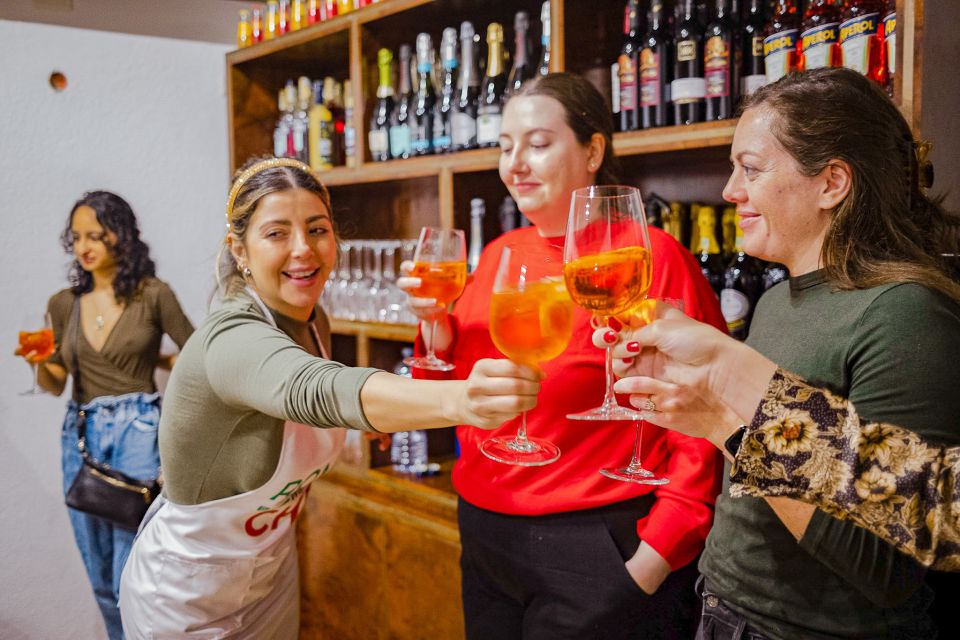
The payoff comes after the cooking: you sit down with the group and eat and drink your creations. You’ll have your third spritz at this stage, which turns the class into a full meal rather than a snack break.
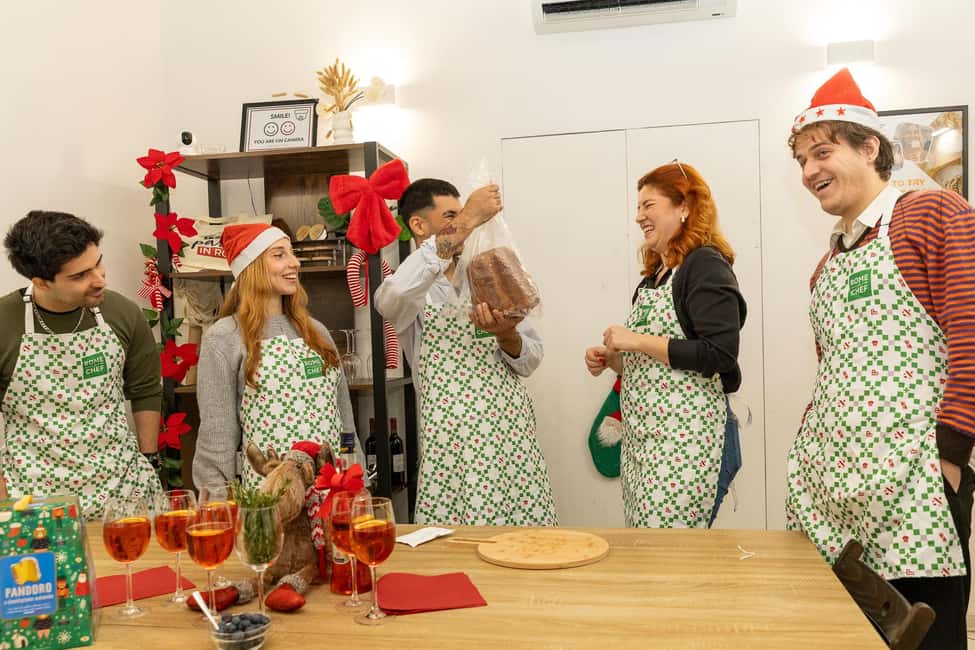
In tone, this class tends to be playful. Many reviews mention music, banter, and an energetic host style. That doesn’t mean it’s chaotic; it usually means the chef keeps the atmosphere light while still teaching technique. Expect a relaxed rhythm: work, sip, eat, and repeat.
Because you’re cooking for your own table, the food doesn’t feel like a separate “tour” meal. You’re tasting the direct result of your hands-on effort. That’s what helps the experience feel memorable, even if you’ve taken cooking classes before.
Group size also affects your comfort. With up to 14 people, you’re likely to talk to at least a few neighbors while still having time with the chef. It’s the sweet spot between solo learning and big-group milling.
Value for $100.82: why the price can make sense in Rome
Let’s talk value without guesswork. You’re paying about $100.82 per person, and the inclusion list is the main reason the number can feel reasonable rather than overpriced.
Here’s what you get included:
- Spritz and pasta workshop with both a chef and mixologist guide
- Fresh ingredients for the pasta and sauces
- Three spritzes (Aperol, Hugo, Limoncello)
- Unlimited water/soft drinks
- Handmade pasta and sauces, with vegetarian options available
- You eat and drink what you cook
- Recipes to take home
In Rome, drinks and a good sit-down meal can add up fast. This class bundles the drinks, the ingredients, the staff time, and the instruction into one set session. You’re also leaving with recipes, which raises the odds you’ll actually repeat the cooking at home.
The “Drunken Cooking” marketing hook is playful, but the real value is that it’s structured. You’re not just drinking at random; you’re learning something in parallel, then enjoying the results together.
Dietary limits: the one thing you must plan for
This class has clear boundaries. Due to the menu, it cannot accommodate:
- Coeliac disease or gluten intolerance
- Vegan diet
- Lactose intolerance (the class notes lactose intolerance isn’t accommodated because dairy products are used)
If you have allergies or dietary restrictions, tell the provider in advance so they can confirm what’s possible. They also say they can’t promise gluten-free, vegan, or dairy-free substitutions for this specific menu.
Here’s the practical takeaway: if you’re gluten-free, vegan, or lactose intolerant, this may not be the right class. If you’re vegetarian and can handle dairy (and gluten is not an issue), you’re more likely to have a smooth experience.
Tips to get the best experience (and not regret the spritzes)
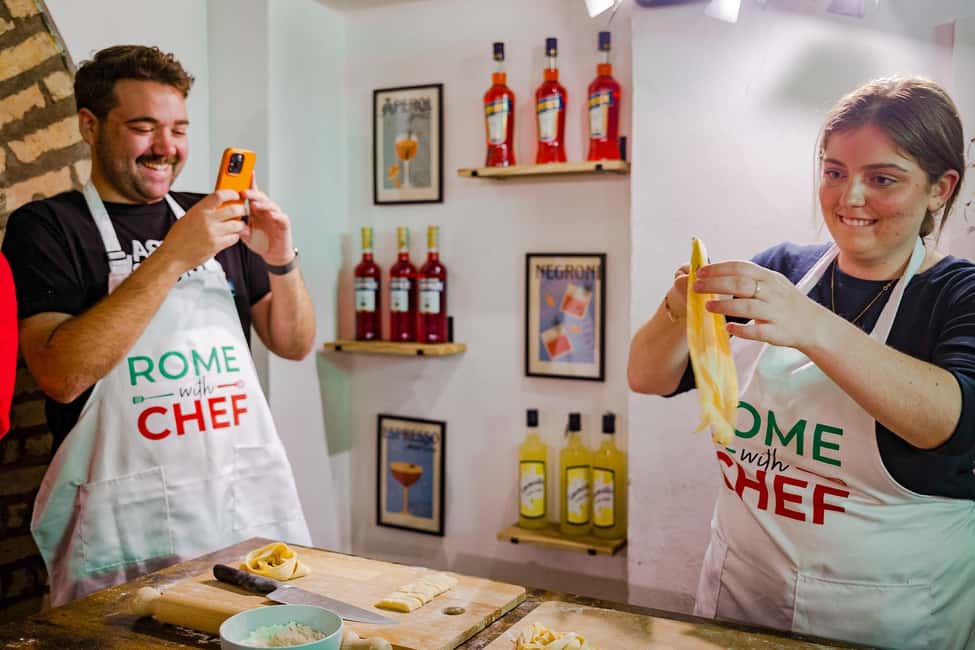
A few simple moves will make your 3-hour session feel even better.
- Arrive ready to get hands-on. Fresh pasta work can be a little messy. Wear clothing you don’t mind getting a touch of flour on it.
- Ask questions while ingredients are out. The chef can guide you on texture and timing, but you’ll get better answers when you’re in the middle of the step, not after the meal.
- Use pacing to your advantage. Unlimited water and soft drinks are included, and you’ll have three spritzes across the session. Sip water between drinks and you’ll stay comfortable through cooking and eating.
- Treat the recipes like your souvenir. Recipes to take home are included, so save the ones you like most and think about what you can source where you live.
- Lean into the group energy. Many hosts are noted for being fun and engaging, so if you’re friendly, you’ll probably enjoy the social part as much as the cooking.
Who should book this class in Rome?
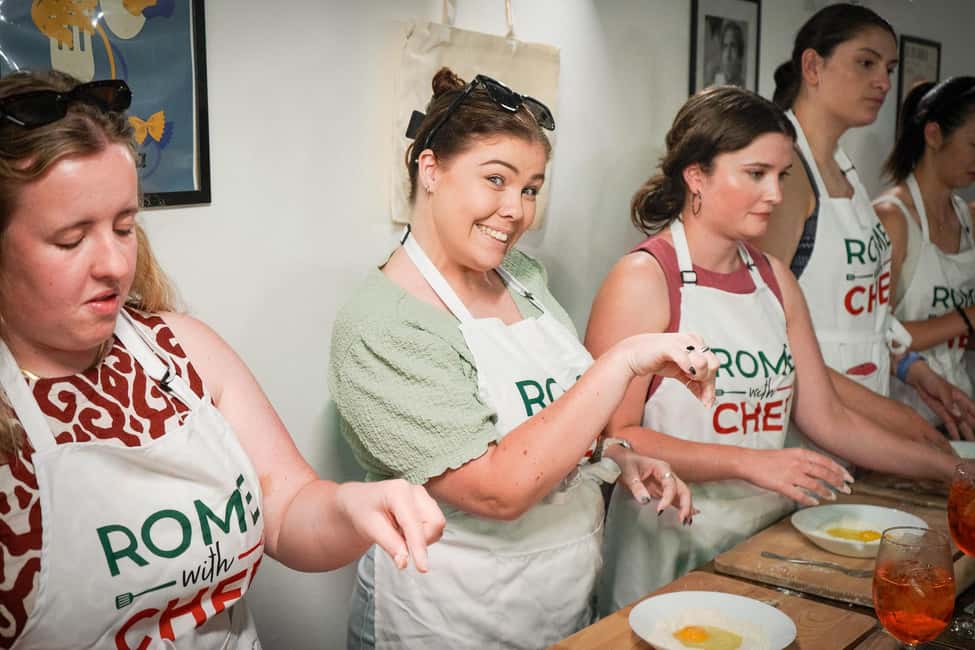
This experience is a strong fit if you:
- Want a Rome activity that’s interactive, not just a sightseeing stop
- Like social meals and don’t mind cooking alongside other people
- Enjoy spritzes and want more than one drink without hunting for bars
- Want to learn a practical pasta skill you can repeat later
It’s also a great choice for milestones. Several reviews mention birthdays, and the tone of the class tends to support that kind of celebration—music, laughter, and a shared table after you cook.
Should you book this Rome pasta-and-spritz class?
I’d book it if you want one memorable evening that combines two very Roman pleasures: pasta you make yourself and classic spritzes made with guidance. The small-group format and the mix of chef + mixologist are a big part of why it works, and the “you eat what you make” setup makes the whole thing feel worth your time.
I’d skip it only if your diet doesn’t match the menu reality. If you need gluten-free, vegan, or lactose-free accommodations, you’ll likely have to choose a different kind of class that can truly support your needs.
If your diet fits and you’re open to a fun, hands-on evening with people (not just a silent cooking demo), this is exactly the sort of Rome experience that turns into a story you tell later.
FAQ
How long is the Rome pasta and cocktails cooking class?
The class lasts about 3 hours.
What spritzes do you make during the workshop?
You’ll make three spritzes: Aperol, Hugo, and Limoncello.
Do you cook pasta during the class?
Yes. You’ll make fresh handmade pasta and then enjoy it with a sauce you learn during the session.
Can I choose between carbonara and cacio e pepe?
Yes. The sauce choice is carbonara or cacio e pepe.
Are vegetarian options available?
Yes. Vegetarian options are available for the handmade pasta and sauces.
Is the class gluten-free, vegan, or dairy-free?
No. The provider notes they cannot accommodate coeliac disease, gluten intolerance, vegan diets, or lactose intolerance because the menu uses dairy products.
What is included besides the food and drinks?
Included items are the spritz and pasta workshop, fresh ingredients, a mixologist guide, unlimited water/soft drinks, recipes to take home, and you eat and drink your creations.
Do you get an English guide?
Yes. The live tour guide is in English.
Where do I meet for the class?
The start location is Via Cesare Balbo, 19, 00184 (around the corner from the Hotel 77 entrance). Look for a sign that says Rome With Chef outside.
Can I cancel for a refund?
Yes. Free cancellation is available up to 24 hours in advance for a full refund.