REVIEW · VERONA
Verona: Hands-on Fresh Pasta and Tiramisù Cooking Class
Book on GetYourGuide →Operated by Ways Tours | B Corp company · Bookable on GetYourGuide
A fresh pasta lesson is one of the best souvenirs. This hands-on cooking class in Verona turns Italian food into something you can actually make at home. I loved the small group kitchen setup and the hands-on guidance that made pasta dough and tiramisù feel doable. One thing to think about: this isn’t for wheelchair users, and parts of the experience may be tight or hard to reach.
You’ll spend about 3.5 hours cooking in an instructor-led professional kitchen in the historic heart of Verona. You’ll make classic dishes with fresh ingredients—then sit down to enjoy what you cooked, paired with local Valpolicella wine and a recipe book/QR set for later.
In This Review
- The Quick Take: What’s Worth Your Time
- Key Highlights You’ll Feel on Day One
- Verona Pasta and Tiramisu Class: How the Experience Fits Together
- Meeting in Verona: Where You’ll Start and What to Expect
- What You’ll Make: Pasta, Risotto, and Tiramisu (Plus Wine)
- Hands-on fresh pasta (the big win)
- Risotto with local rice
- Tiramisu, classic style
- Lunch with local Valpolicella wine
- The Teaching Style That Makes This Class Work
- Value for Money: Is This Class Worth $107.62?
- Dietary Needs and Food Allergies: What’s Covered
- The Best Way to Prep (So You Get the Most Out of It)
- Who This Cooking Class Is Perfect For
- Little Details That Matter More Than You Think
- Should You Book This Verona Hands-On Cooking Class?
- FAQ
- How long is the Verona fresh pasta and tiramisù cooking class?
- What dishes will I learn to make?
- Is the cooking class taught in English?
- How big is the group?
- Is hotel pickup included?
- Can the class accommodate dietary restrictions?
The Quick Take: What’s Worth Your Time
If you’re in Verona and want more than a tasting, this class is a fun, structured way to learn the “why” behind Italian basics. The format is simple: cook, learn technique, then eat together. And because the group is limited to 10, you get real attention instead of watching from the sidelines.
Key Highlights You’ll Feel on Day One
- Real hands-on fresh pasta work with step-by-step coaching
- Tiramisù from scratch, not a vague dessert explanation
- Risotto technique using local rice, so it clicks beyond just dinner
- Valpolicella wine with lunch, tied to the meal you make
- English instruction in a small group that stays friendly and interactive
- Take-home recipes (recipe book and a QR code in practice)
You can also read our reviews of more tours and experiences in Verona.

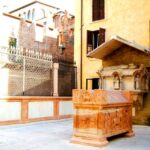
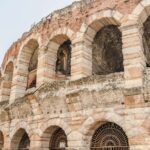
Verona Pasta and Tiramisu Class: How the Experience Fits Together
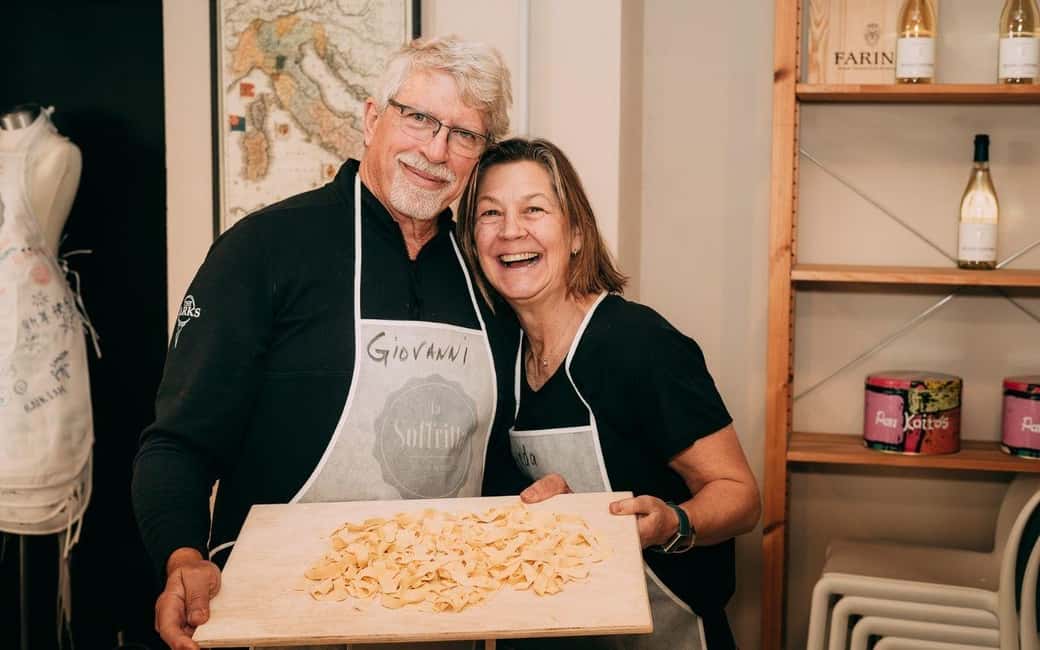
This is a classic “cook like a local” setup—just with an instructor guiding you through the steps and keeping the pace realistic for a small group. The class runs about 3.5 hours, rain or shine, and it’s designed for you to actively work with ingredients rather than just observe.
You’re in Veneto, in the historic heart of Verona, and that matters. The energy in the city is one thing; the city’s food is another. This class gives you a tangible way to bring Verona’s culinary vibe home, because you learn techniques you can repeat—fresh pasta handling and the rhythm of building a tiramisù.
Also, credit where it’s due: the instructors are English-speaking and the class size is capped at 10 participants. That “small room, small class” factor shows up in the way questions get answered and how quickly you can get unstuck if something isn’t working.
Meeting in Verona: Where You’ll Start and What to Expect
You start at street level in central Verona. The guide meets you in front of the theater holding a yellow sign that says tour. It’s a straightforward meeting point, and the activity ends back there—so you’re not dropped across town afterward wondering where you’ll eat next.
No hotel pickup or drop-off is included, so plan on getting yourself there. In a city like Verona, that usually means you’ll spend more time walking than riding. If you’re staying near the center, great—you can likely make this happen without stress.
What You’ll Make: Pasta, Risotto, and Tiramisu (Plus Wine)
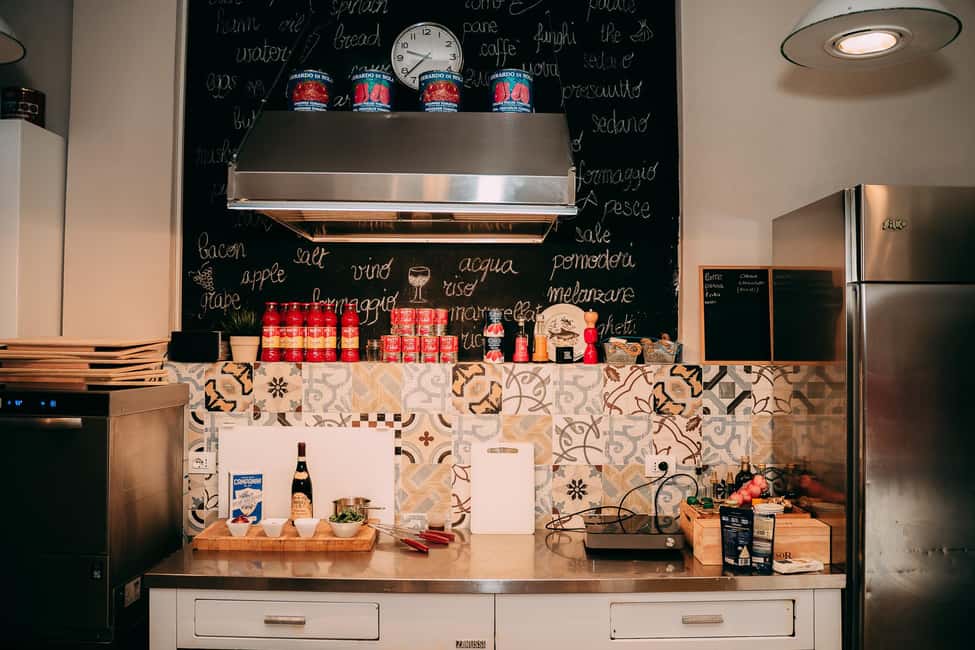
The class focuses on Mediterranean-style Italian cooking with simple, quality-forward ingredients. The theme is very “less fuss, more flavor”: you’ll learn techniques that help food taste like itself, instead of needing complicated steps to cover up bland ingredients.
Hands-on fresh pasta (the big win)
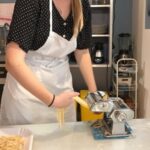
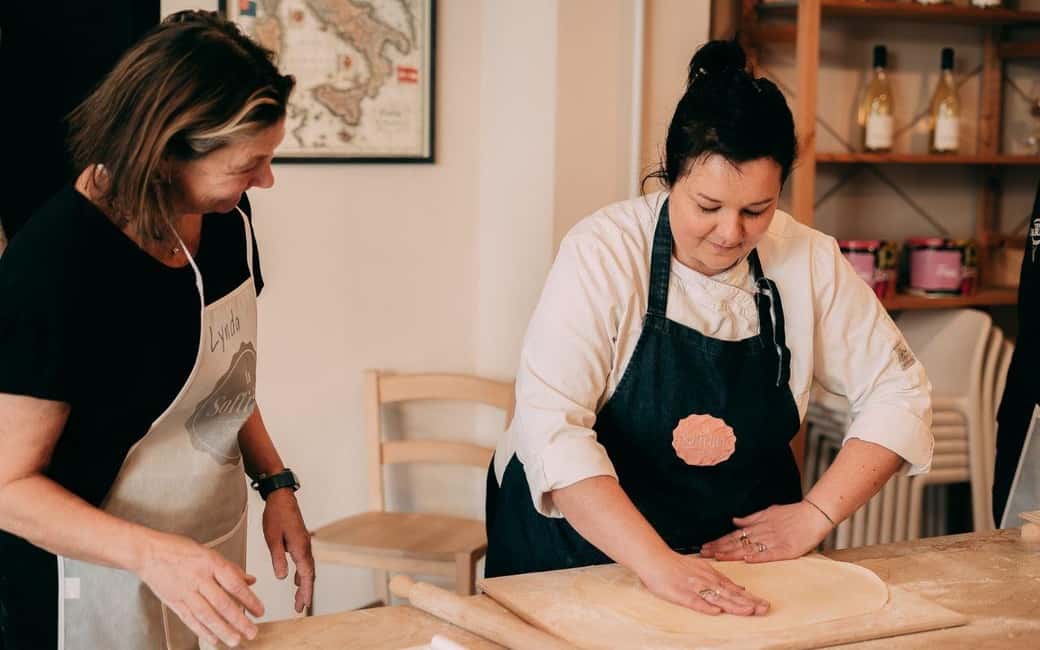
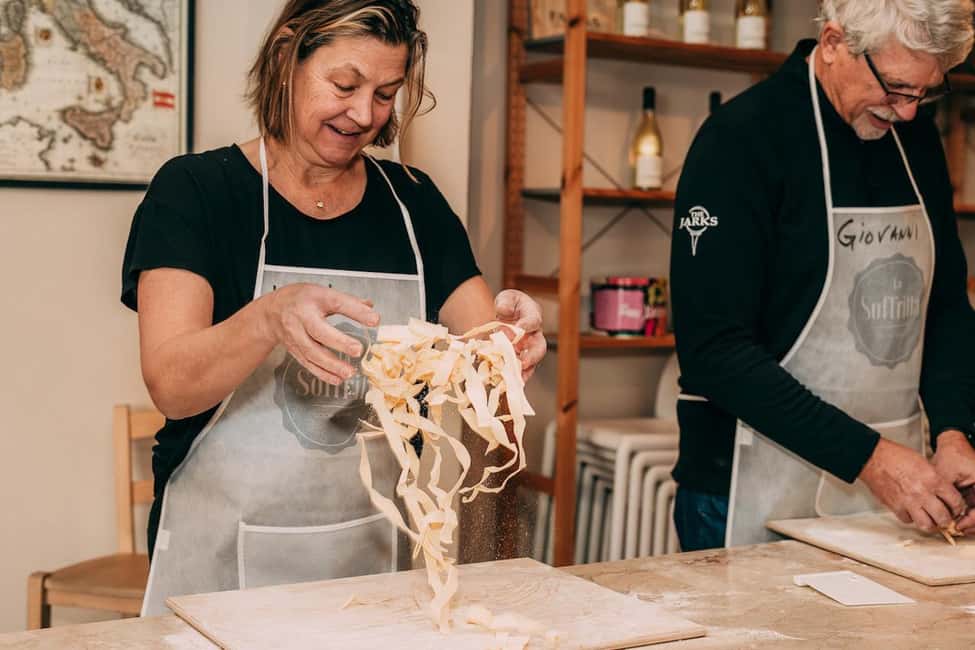
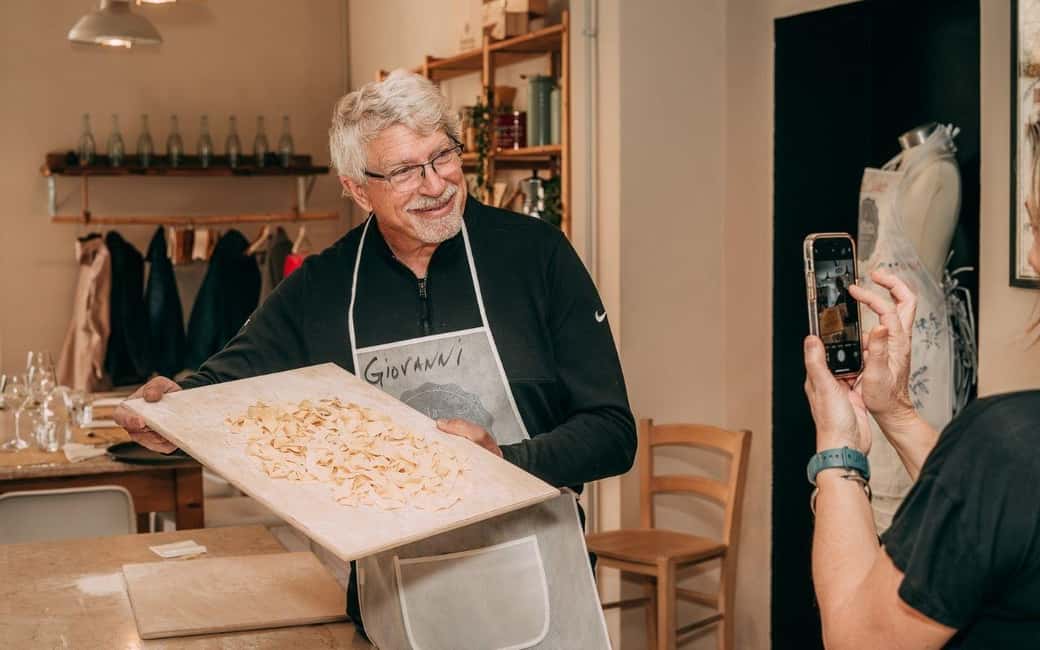
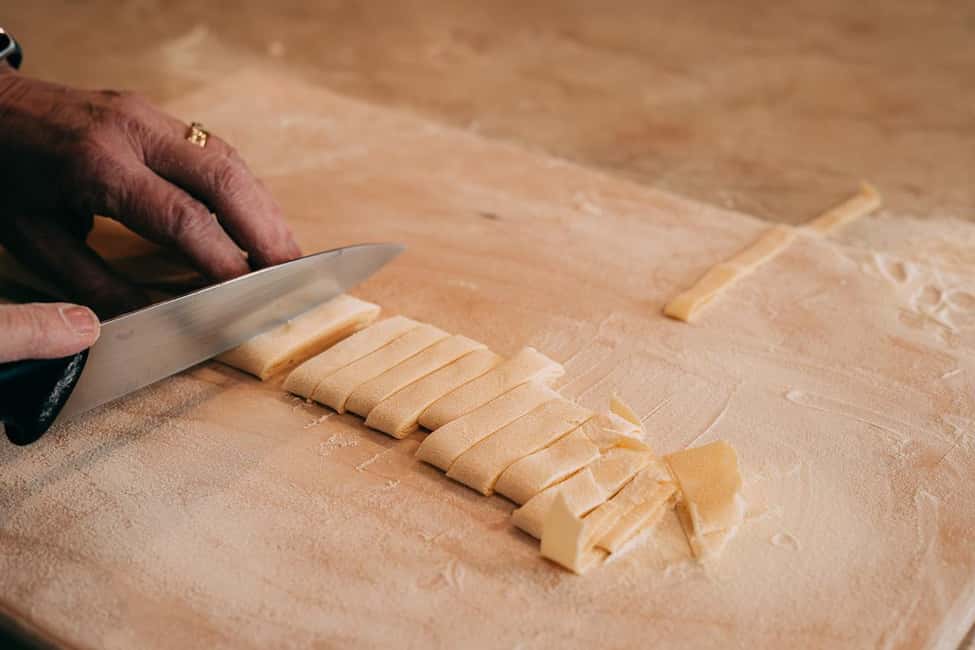
Making pasta from scratch is the skill most people remember. You’ll form the dough, work it, and learn how to handle it as it comes together. Even if you’ve never made pasta before, the structure is built for beginners: you’re not expected to already know the feel of dough.
From the reviews, the most consistent praise is how the chefs coached the group through each step. People specifically highlighted that they could participate at every stage, not just watch. That’s what you want for a class like this—confidence built with real practice.


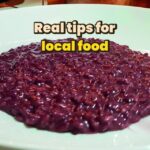
Risotto with local rice
You’ll also learn risotto, using local rice. Risotto gets talked about so often, but this class approach matters: you’re not just being told it’s creamy—you’re learning the method that makes it come out right.
A few people mentioned they didn’t even like risotto before the class, then changed their minds after learning how to make it. That’s a good sign: technique is doing the heavy lifting here, not just adding flavor.
Tiramisu, classic style
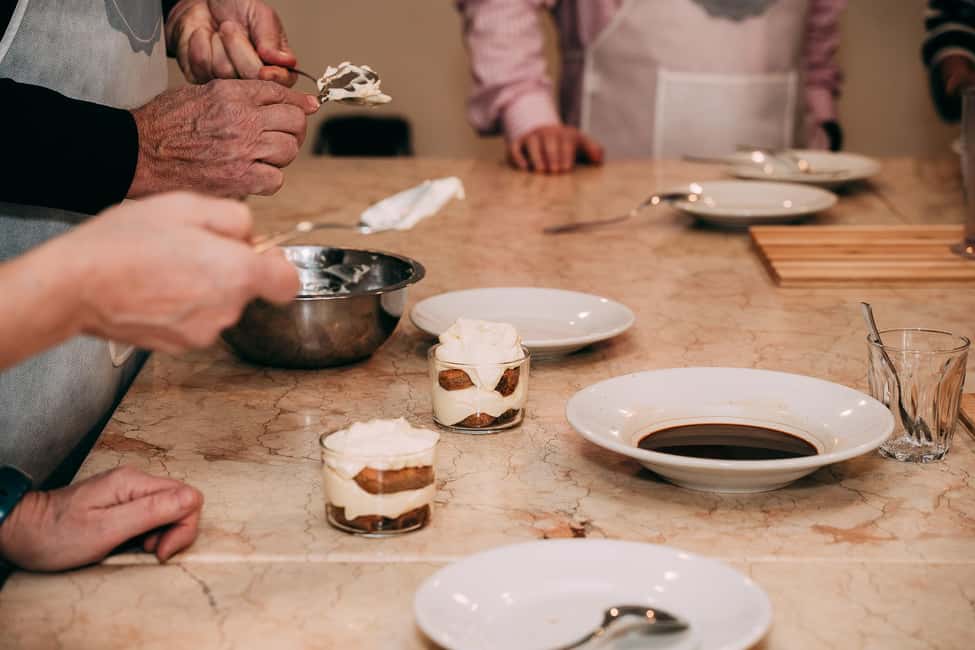
For tiramisù, you’ll make the dessert itself, not a shortcut version. Tiramisu can be intimidating because it’s layered and timing matters, but this class is designed for easy-to-learn steps led by the chef.
The reviews repeatedly call tiramisù one of the best parts—sometimes even the best dessert people ate in Italy. Whether you’re a coffee dessert fan or more of a chocolate person, this is the moment you’ll probably want to plate carefully and then proudly taste immediately.
Lunch with local Valpolicella wine
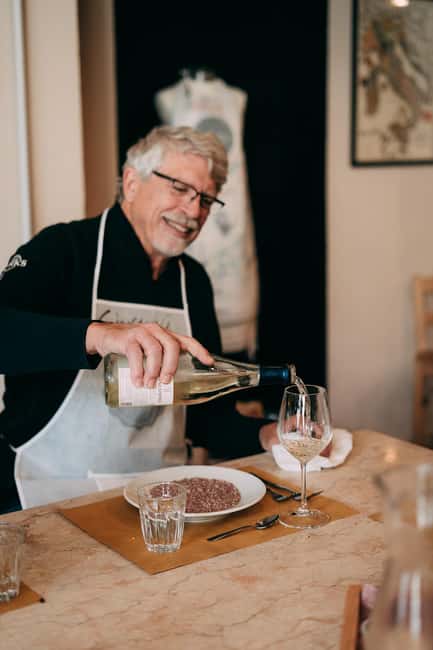
After cooking, you sit down for lunch with local Valpolicella wine. Wine isn’t just included for the vibe; it’s part of the meal you built. If you’re trying to understand Italian dining culture, this is the most natural way to do it: you work, then you eat what your hands made.
Some reviews also mention a starter like bruschetta before the main courses, which suggests the flow may include a small opening bite before the cooking ramps up. Either way, the core structure stays: cook then enjoy.
The Teaching Style That Makes This Class Work
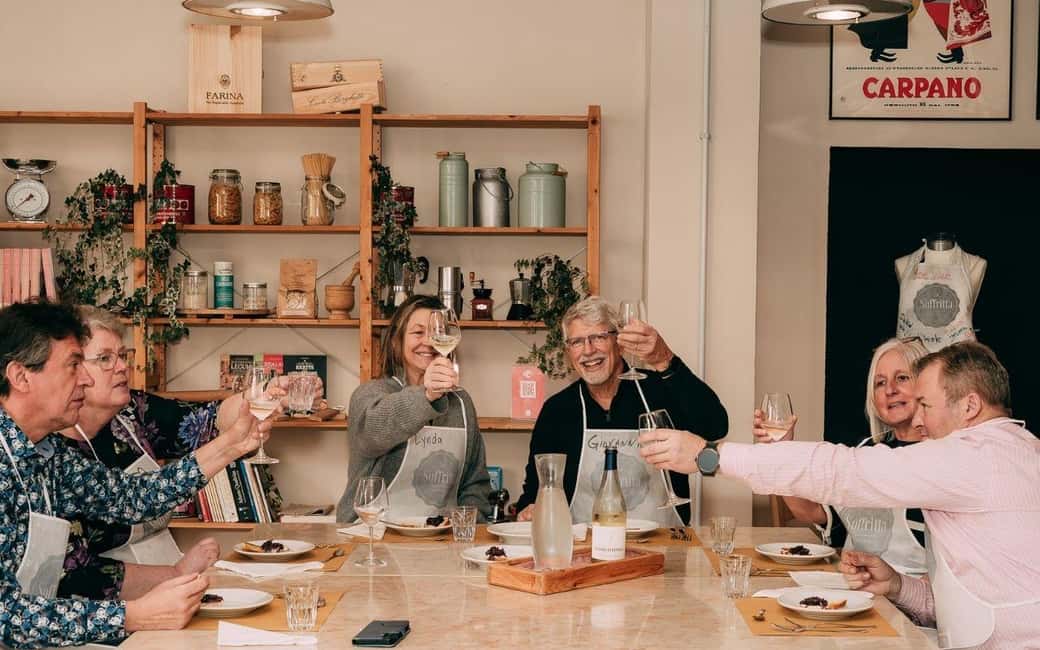
This class is run by a professional chef with an English instructor, and in small groups that usually means two things: you get personal correction and you can actually keep up.
I like when chefs don’t talk at you. Here, the tone from feedback is that instructors are friendly, funny, and patient—encouraging participation while still keeping everyone on track. That matters because pasta dough and dessert assembly aren’t concepts; they’re physical tasks.
You may work with different instructors depending on your date, but names that show up in the reviews include Christina, Silvia, and Laura (and at least one instructor pair that many groups remember). One standout theme: learning traditional cooking passed down through family, along with practical tips you can reuse at home.
Value for Money: Is This Class Worth $107.62?
At $107.62 per person, this isn’t a cheap “activity.” But it can still be a strong value depending on what you compare it to.
Here’s the honest way to look at it:
- You’re paying for hands-on instruction in a professional kitchen with ingredients provided.
- You get a full meal with wine, not just a sample.
- You take home a recipe book, and in many cases groups also receive a QR code to recreate the recipes later.
- With only up to 10 people, the coaching doesn’t shrink into a lecture.
If your alternative is eating out twice, you might feel the class cost. If your goal is to learn a skill you can repeat, the price starts to make more sense. The people who rave about the pasta technique and tiramisù payoff are basically paying for the moment they can recreate it later. That’s the real “value.”
Dietary Needs and Food Allergies: What’s Covered
Good news: the class is set up to handle several dietary restrictions. You can request vegetarian, glucose-free, and lactose-intolerant accommodations. You need to inform the tour operator in advance if you have an intolerance or allergy.
One review specifically mentions a celiac guest and how the chef checked to avoid cross contamination. That’s a reassuring detail if you’re gluten-sensitive. Still, don’t assume it’s automatic—send your needs ahead of time so they can plan safely.
Pets aren’t allowed, and the class isn’t for unaccompanied minors. Children under 14 can’t join the activity, so this is aimed more at adult couples, friends, and older teens.
The Best Way to Prep (So You Get the Most Out of It)
You’ll get more out of the class if you treat it like a skill session, not just a fun meal.
A few practical tips:
- Wear comfortable clothes and expect some kitchen mess.
- Bring a curious mindset. The chef’s explanations matter because you’ll repeat the steps later.
- Pace yourself with the meal and wine. You’ll be tasting and cooking, so don’t plan to rush off immediately afterward.
Also, remember the class runs in parts that may not be easy for reduced mobility. Even if you’re not using a wheelchair, check with the provider if walking distances or kitchen steps are a concern for you.
Who This Cooking Class Is Perfect For
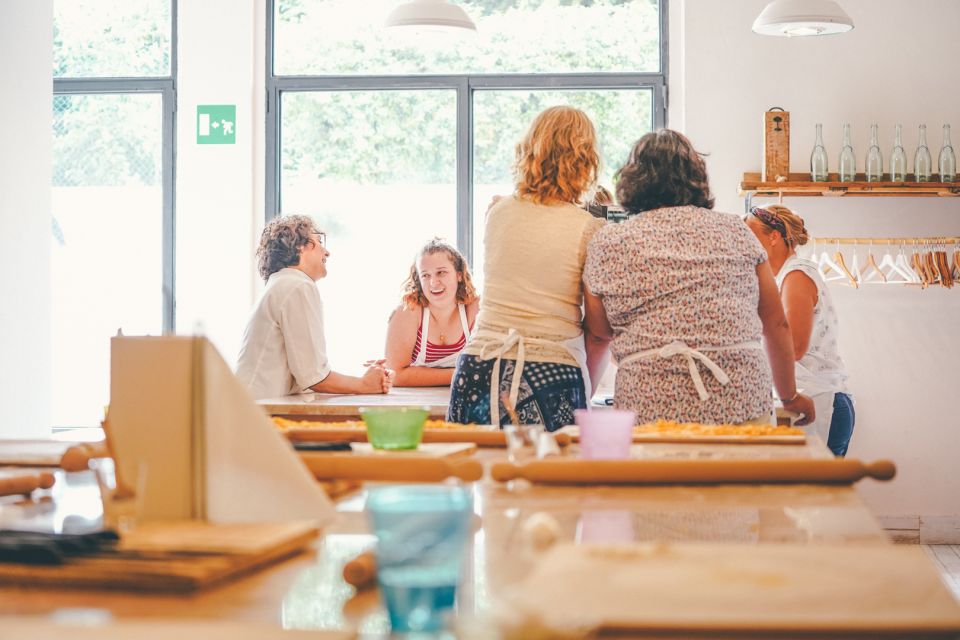
This class is a great match if:
- You want a hands-on Verona experience, not another museum hour.
- You like learning techniques you can practice again at home.
- You’re traveling with a partner or small group and enjoy shared activities.
- You appreciate Italian food culture built around simple ingredients and solid method.
It’s less of a fit if you need wheelchair access, or if you’re traveling with young kids. The age rule (14+) is clear, and you’ll want to respect it.
Little Details That Matter More Than You Think
A couple of things that come through strongly in feedback:
- The class flow matters. People like that you cook, then you sit down together to eat what you made.
- Participation is encouraged. You’re not relegated to stirring from the edge of the counter.
- The instructors explain enough that you can repeat the recipes. Many groups leave with confidence, not just a delicious memory.
If you’re the type who usually watches others cook, this is the kind of class where you’ll end up doing it yourself—and feeling proud of the results.
Should You Book This Verona Hands-On Cooking Class?
Yes, if you want a practical Verona experience with real kitchen skills attached. I’d book it if fresh pasta and tiramisù are on your food list and you like learning method, not just eating.
Skip it only if you strongly need wheelchair access, you’re traveling with someone under 14, or you want a purely passive activity. Otherwise, this class hits a sweet spot: you learn, you taste, you take recipes home, and you leave with a skill that keeps paying off long after the trip.
FAQ
How long is the Verona fresh pasta and tiramisù cooking class?
The class lasts about 3.5 hours.
What dishes will I learn to make?
You’ll make classic dishes including hand-made fresh pasta, risotto (made with local rice), and tiramisu.
Is the cooking class taught in English?
Yes. The instructor is English-speaking.
How big is the group?
It’s a small group limited to 10 participants.
Is hotel pickup included?
No. Hotel pickup and drop-off are not included.
Can the class accommodate dietary restrictions?
Vegetarian, glucose-free, and lactose-intolerant dietary restrictions are catered to. Inform the tour operator in advance about any food intolerance or allergy.