REVIEW · ROME
Rome: Colosseum Underground, Arena & Forum Tour
Book on GetYourGuide →Operated by Touriks · Bookable on GetYourGuide
Colosseum Underground changes how you picture the games. You get exclusive access to areas like the underground level (where animals were held before events) and time on the arena, plus a guided walk that ties it all to Roman politics and daily life. I also like that the experience doesn’t stop at photos; it helps you connect the Colosseum to what was happening in the Roman Forum and Palatine Hill.
I especially liked the human factor: guides like Pat, Francesca, and Donatella were praised for pacing, storytelling, and keeping things moving without feeling rushed. One drawback to keep in mind: this is not wheelchair or stroller accessible, and there’s a moderate amount of walking, so your comfort level matters.
In This Review
- Key takeaways before you go
- Why the Underground and Arena Access Changes Everything
- Meeting at the Colosseo Metro: Your 30-Minute Advantage
- Entering the Colosseum: What the Guided Part Really Covers
- The Colosseum Underground: Engineering, Animals, and the Human Side
- Arena Time: Standing Where the Spectacle Happens
- The Roman Forum and Palatine Hill After the Main Tour
- Guide Style, Headsets, and the Spanish Language Piece
- Price and Value: What You’re Actually Paying For
- Who This Tour Suits Best (and Who Should Rethink It)
- Practical Tips That Make the Tour Feel Easier
- If the Underground Access Changes: Have a Backup Plan
- Should You Book This Underground Colosseum and Arena Tour?
- FAQ
- How long is the Colosseum Underground, Arena & Forum Tour?
- What language is the live tour guide?
- Does this tour include access to the Colosseum Underground and the Arena?
- Is the Roman Forum and Palatine Hill included, or is it self-guided?
- Are headsets included?
- Where do I meet the tour?
- What should I bring and wear?
- Is this tour refundable?
Key takeaways before you go
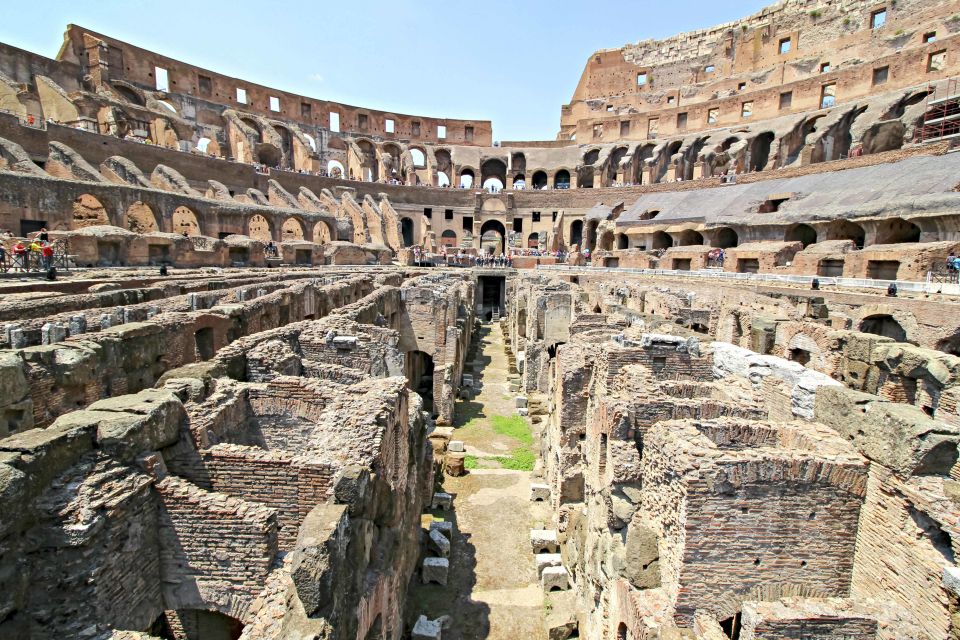
- Underground access is the main reason to book: you’ll see the Colosseum’s hidden levels, including the animal-holding area concept.
- Arena time adds context: it’s one thing to read about the spectacle; it’s another to stand where it played out.
- You get a 3-hour guided spine: professional guidance connects engineering, society, and why the games mattered.
- Roman Forum and Palatine Hill continue after the tour: you’re set up to explore at your own pace afterward.
- Spanish guide, headsets when groups are larger: audio support helps you keep up.
- Plan for walking: this tour isn’t friendly for mobility issues or back problems.
Why the Underground and Arena Access Changes Everything
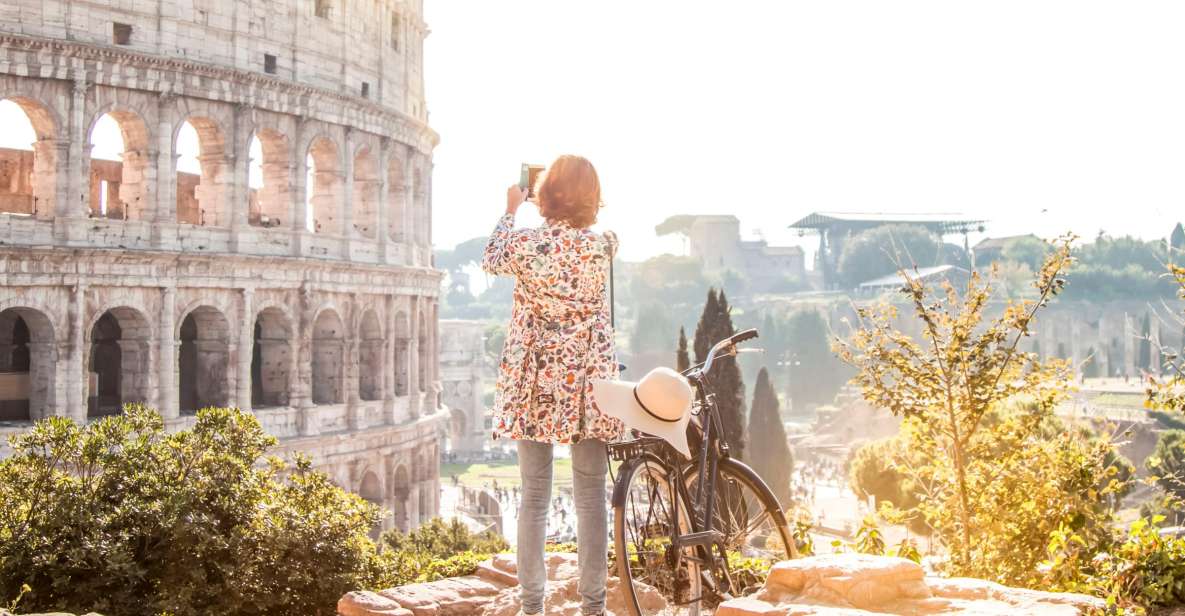
Most Colosseum visits are a loop: look around, snap a few pictures, move on. This tour feels different because it takes you to the parts that explain how the show was staged. The highlight is the underground level, where wild animals were kept before they went into action. That matters because it reframes the Colosseum from “cool ruins” into a machine for spectacle.
And then you don’t just stop at the cave of the show—you get to the arena. Standing in the right zone helps you understand sightlines and scale. Even if you’ve seen the Colosseum on postcards, the arena gives the place a new order: who watched, where the action likely moved, and how the structure supported the drama above.
You can also read our reviews of more tours and experiences in Rome.


Meeting at the Colosseo Metro: Your 30-Minute Advantage
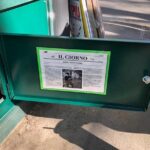
This tour starts at the green kiosk on the right as you exit the Colosseo metro station. Staff will carry a yellow label with the local operator’s name, so you’re not left guessing for long. The practical trick is to arrive 30 minutes early and use the downstairs exit from the metro—there’s also an upper-floor exit.
That early arrival is more than a formality. In a place like the Colosseum, getting your group together promptly helps you spend your paid time actually inside. It also reduces the “where are we standing” stress that can make a timed tour feel chaotic.
Entering the Colosseum: What the Guided Part Really Covers
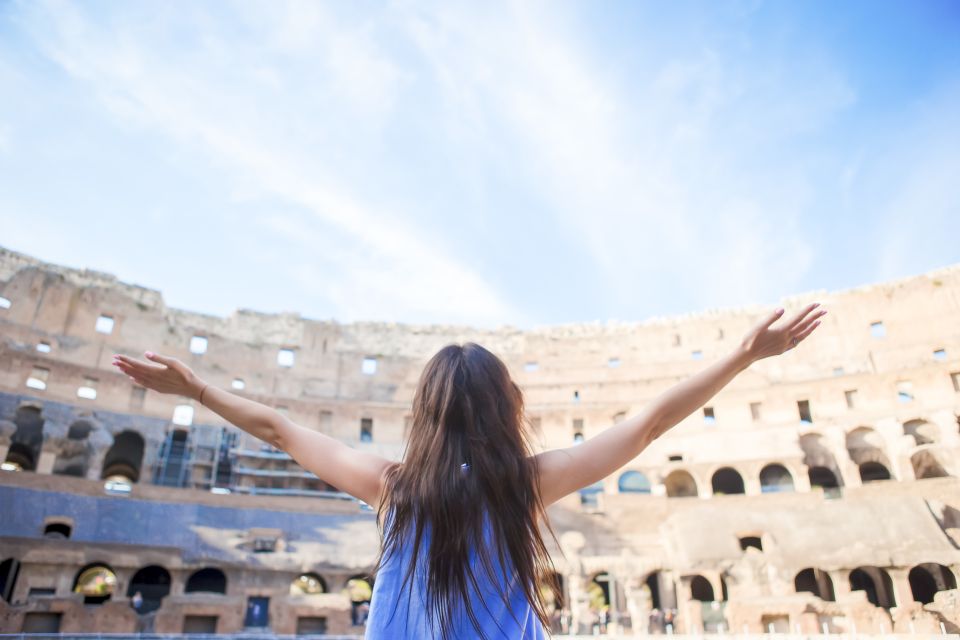
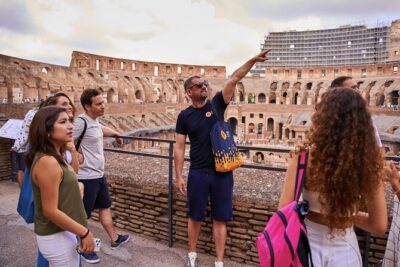
Your guided time is designed like a story arc. You’ll start with the Colosseum and get explanations from an official guide, then the tour moves through key areas tied to how the building worked and why it was built the way it was. The guide experience is a big deal here: many of the best comments centered on guides who could keep a steady pace while still giving people time to register what they were seeing.
In particular, guides such as Francesca and Gabriel/Gabriele were praised for pacing that didn’t bulldoze the group. Others like Janina were singled out for making the experience feel smooth even when it was hot and crowded. If you’re the type who likes to ask questions, this setup tends to support it—your guide is positioned to explain more than just point-and-shoot stops.
One practical note: the order of stops can vary. Either the Colosseum first, or the Forum and Palatine Hill first. The overall structure stays similar; you’re still working through the “why it matters” portion before you finish your own exploration.
The Colosseum Underground: Engineering, Animals, and the Human Side
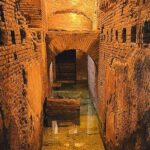
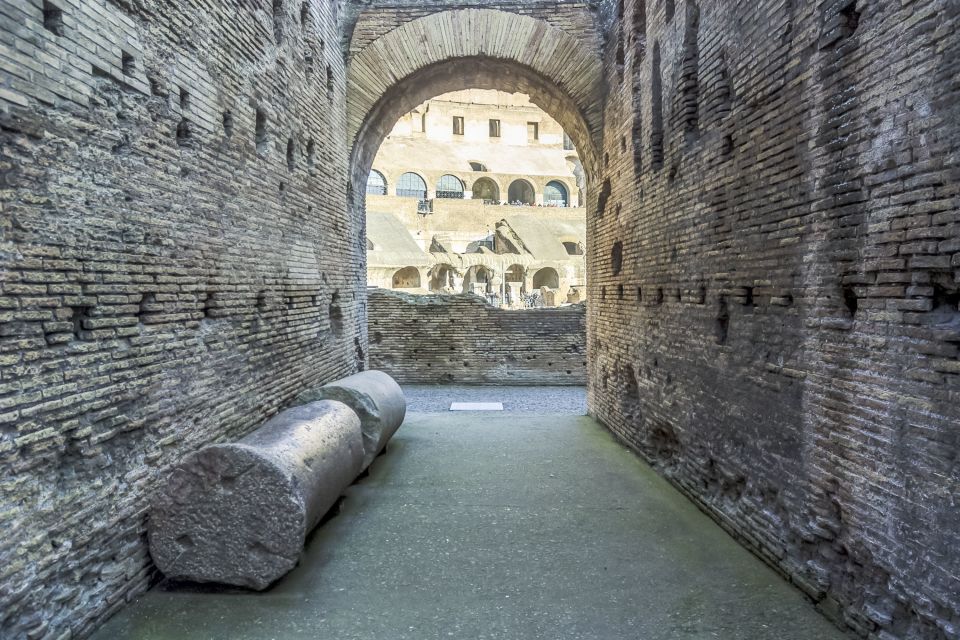
The underground portion is where the tour earns its special label. You’re brought to areas not available to regular ticket holders, including the level tied to how animals were held before they were used in the spectacle. That’s the kind of detail that doesn’t just add novelty—it changes how you interpret the whole venue.
The guide also frames the underground with building logic. You’ll hear about innovative engineering techniques used to create the monument and why the Colosseum has survived for hundreds of years. This is one of those moments where the explanations help you “read” the stone. Instead of seeing random passages, you start noticing patterns—movement routes, structure, and the logic of separation between crowd and spectacle.
And then the tour pulls in society. You’ll discuss political and social reasons for games and public events. That’s valuable because it stops the narrative from being purely architectural. The Colosseum wasn’t built just for entertainment. It was tied to power, public messaging, and social order.
Arena Time: Standing Where the Spectacle Happens
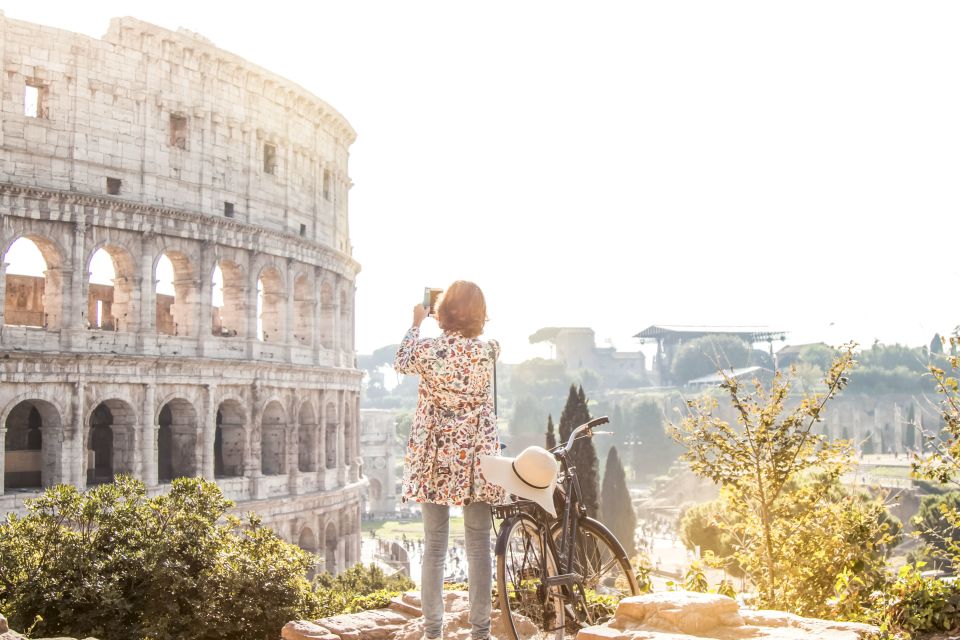
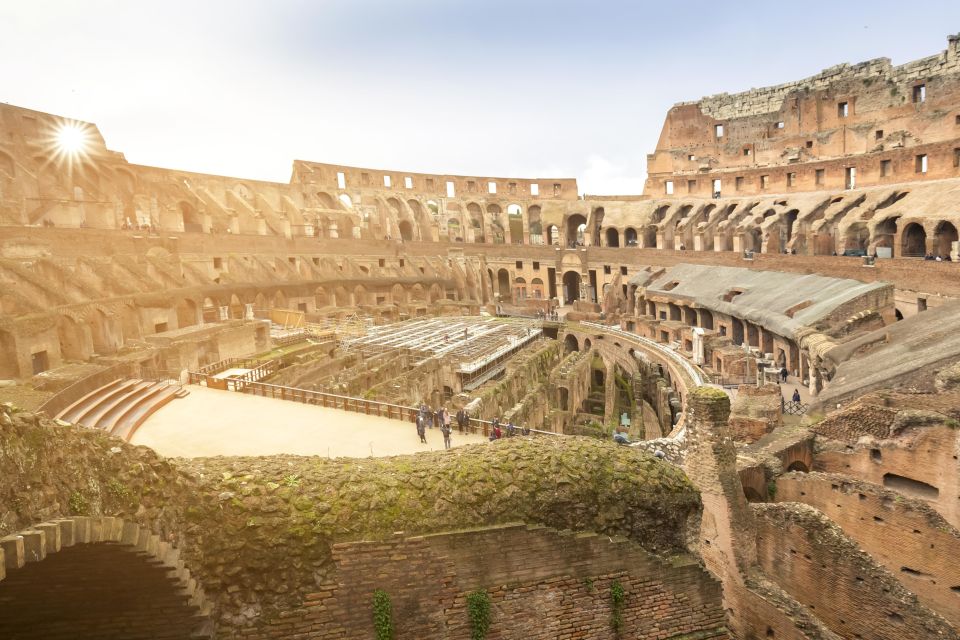
After the underground, you move into the arena experience. Even without technical details, you can feel how the space is designed for drama. The arena is the moment when the Colosseum stops being a backdrop and becomes a stage.
This is also where the guide’s job matters. You don’t need a long lecture, but you do need the right context at the right moment. Many reviews highlighted guides who brought humor and storytelling into the facts—one person credited jokes alongside the history, and another described the guide as lively and able to keep people comfortable even in tough conditions.
If you’re someone who learns by “being there,” arena access makes this tour more than an upgrade. It becomes a shortcut to understanding how the building shaped behavior—of performers, officials, and crowds.


The Roman Forum and Palatine Hill After the Main Tour
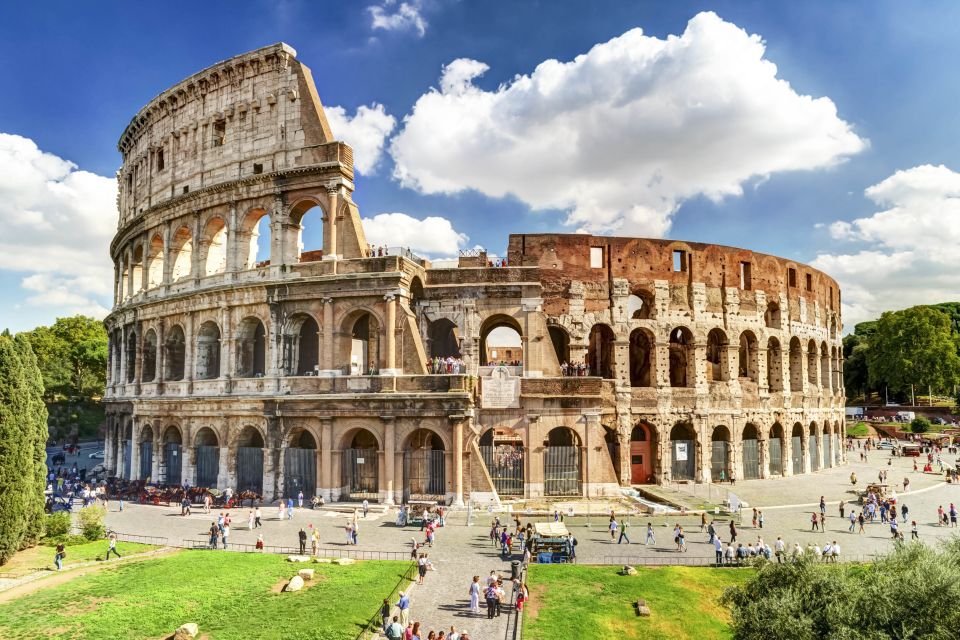
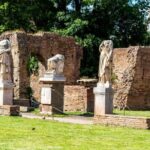
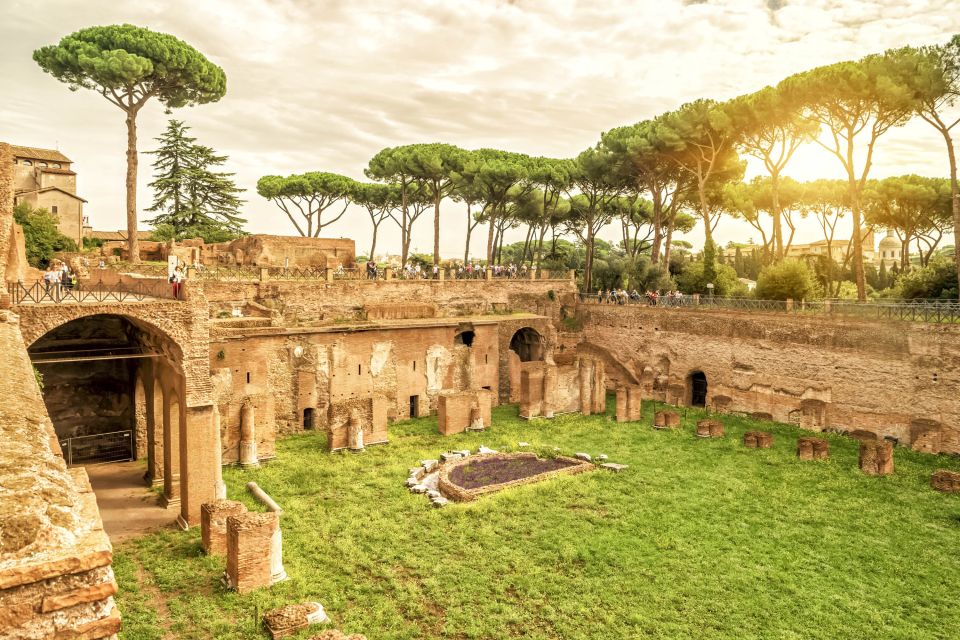
One of the best practical advantages of this experience is what comes next. After the 3-hour guided portion, you go into the Roman Forum on your own, and you can stay as long as you wish at the end of the official tour. This matters because the Forum rewards wandering. You need a little time to look up at columns, scan the horizon, and place what you’ve just heard into your own mental map.
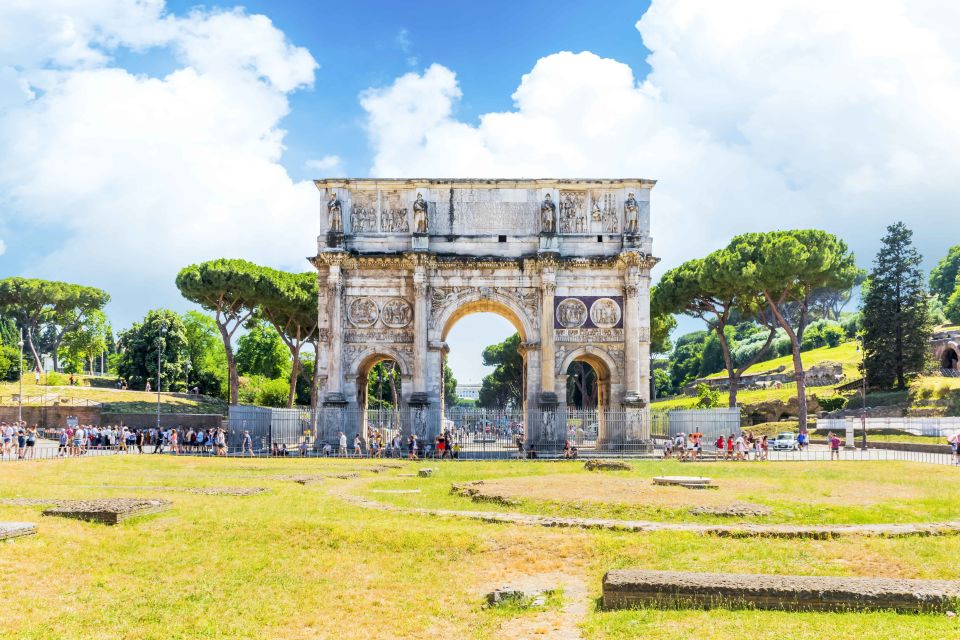
The Palatine Hill component is all about scale and views. You’ll get breathtaking views over the Colosseum and Circus Maximus from the Palatine Hill area. That view isn’t just pretty—it helps you understand why the ancient Romans located civic and elite spaces where they did. You start to see the Forum not as a single ruin field, but as part of a larger city grid.
So here’s the balance: you get guided structure for understanding, then you get freedom for appreciation. If you only do guided tours, you can miss the “slow” moments that make a historic site feel real.
Guide Style, Headsets, and the Spanish Language Piece
The tour is guided live in Spanish. That doesn’t automatically mean it will be hard for non-Spanish speakers, but it does mean you should plan accordingly. If you’re comfortable with basic Italianate romance-language hearing, you might keep up well. If not, you’ll still benefit from the visuals and the guide’s explanations in combination with your own reading of the site.
Audio support helps. Headsets are included when 8 people or more are present, which is a smart detail. In a place with echoes and crowd noise, headsets can mean the difference between following the story and constantly asking what someone said.
The other guide-related takeaway: people loved guides who managed pacing and crowd flow. Reviews mentioned guides moving groups along quickly when needed, while still making time for people to take things in. One review praised a guide’s steady pace and another called out how the guide didn’t hurry people and still kept everything on track.
And yes, you may see different personalities depending on who leads you. Names praised include Pat, Francesca, Donatella, Janina, Evie, and Gabriel/Gabriele. That list is worth noticing because the guide style seems to be a major part of the overall quality.
Price and Value: What You’re Actually Paying For
At $157.47 per person for about 3 hours, it’s not a budget ticket. But here’s why it can still feel like good value: you’re paying for access that you can’t easily replicate on a standard entry ticket, plus a guide who turns access into understanding.
If you only want a quick “see the Colosseum” experience, you might not need this. But if you care about the Colosseum’s hidden systems—especially the underground—this tour is basically buying you time in the right spaces and a framework for what you’re looking at.
The arena access also adds value. Even two tours that both include the Colosseum can feel wildly different if one takes you to more meaningful zones. Reviews repeatedly flagged the underground as worth the extra effort, and that’s consistent with the fact that it’s one of the few truly exclusive elements here.
Also consider the after-tour payoff: Roman Forum plus Palatine Hill time on your own. You’re not just paying for the guided portion; you’re getting a setup to explore afterward with better context.
Who This Tour Suits Best (and Who Should Rethink It)
This tour is best for people who:
- want more than the standard Colosseum viewpoint
- enjoy explanation and context while walking
- are comfortable with Roman Forum walking and climbing viewpoints
- don’t mind a Spanish-led experience
It may not be for you if you:
- have back problems or mobility issues (not suitable)
- need wheelchair access (not wheelchair accessible)
- need stroller access (not stroller accessible)
The tour notes specifically say there’s no elevator, which explains the accessibility limitations. Still, one review mentioned a guide being understanding when a guest’s back was hurting and said they were able to use a lift a couple of times. Don’t treat that as a promise. Use it as a reminder to plan conservatively and ask the operator about your needs before you go.
Practical Tips That Make the Tour Feel Easier
A few nuts-and-bolts points will help you enjoy this more and worry less:
- Wear comfortable shoes. You’re doing a moderate amount of walking.
- Bring passport or ID card.
- Skip bulky items: luggage or large bags aren’t allowed, and professional cameras aren’t allowed.
- Don’t bring gadgets that won’t pass: drones, weapons/sharp objects, glass objects, and sprays/aerosols are not allowed.
- Leave pets at home: pets aren’t allowed.
- If you’re traveling with a stroller, rethink it: baby strollers aren’t allowed.
One more practical reality: conditions can be hot and crowded. A number of reviews praised guides for keeping people comfortable and prioritized. You can help by hydrating, wearing a hat, and keeping your pace steady.
If the Underground Access Changes: Have a Backup Plan
Underground access is a key part of the promise, and it matters enough that you should be alert to updates the day of. In one case mentioned in a review, the underground portion was cancelled and the person said they received a refund for that portion. That’s not something you should count on as standard, but it’s a useful signal: if anything affects underground entry, the operator may adjust your situation.
So when you confirm your booking, double-check what you’re scheduled to access and what happens if access changes.
Should You Book This Underground Colosseum and Arena Tour?
Book it if you want the Colosseum in a way that feels like real storytelling: hidden spaces, arena context, and then the Forum and Palatine Hill with better mental structure. At $157.47 for a 3-hour guided experience, the price is easiest to justify when you specifically care about the Underground Colosseum element and you want a professional guide to connect the dots.
Skip (or at least consider another option) if you need wheelchair or stroller access, if long walking isn’t realistic for you, or if Spanish isn’t workable at all. For those situations, the standard ticket plus flexible self-guiding can be a better fit.
If your goal is to leave with your understanding upgraded—not just your photo roll—this is a strong choice.
FAQ
How long is the Colosseum Underground, Arena & Forum Tour?
The guided portion is listed as 3 hours. Starting times vary, so check availability for the exact schedule.
What language is the live tour guide?
The tour guide is Spanish.
Does this tour include access to the Colosseum Underground and the Arena?
Yes. The experience includes exclusive access to areas not available on a regular ticket, including the Underground Colosseum and the Arena.
Is the Roman Forum and Palatine Hill included, or is it self-guided?
The tour includes a visit to the Roman Forum and Palatine Hill. After the official tour segment, you can explore the Forum on your own and you can stay as long as you wish at the end of the guided time.
Are headsets included?
Headsets are included when 8 people or more are present.
Where do I meet the tour?
Meet at the green kiosk on the right as you exit the Colosseo metro station. Look for staff carrying a yellow label with the local operator’s name. Arrive 30 minutes early, and go downstairs.
What should I bring and wear?
Bring passport or ID card, and wear comfortable shoes. There is moderate walking.
Is this tour refundable?
No. This activity is listed as non-refundable.