REVIEW · ROME
Rome: Trastevere & Campo de Fiori Street Food Walking Tour
Book on GetYourGuide →Operated by Hili srl · Bookable on GetYourGuide
Few cities make food feel like culture. This Rome walk strings together Trastevere street stalls and Campo de’ Fiori market snacks with quick history stops, all in about 2.5 hours. You’ll taste classic Roman favorites along the way and learn how local food traditions show up in the streets, not just on menus.
What I really like is the mix of hands-on tastings and story-driven stops. You’re not just wandering; you’re meeting the places behind the food, including an outdoor market visit and a famous gelato finish at Gelateria Regusto.
One thing to consider up front: it’s not suitable for vegans and it’s also not for people with gluten intolerance, so you’ll need to check your dietary needs carefully before booking.
In This Review
- Key Points You’ll Care About
- Why This Trastevere and Campo de’ Fiori Street Food Walk Works
- Meeting at Piazza San Simeone and Getting Oriented Fast
- Santa Maria in Trastevere and Pizza From a Bakery Since 1870
- Two “Restaurant” Stops and a Secret Snack Moment
- Campo de’ Fiori Market: Suppli Hunting the Easy Way
- Piazza Farnese, Ponte Sisto, and Piazza Trilussa: The Scenic Walk Breaks
- Trastevere’s Street-Level Flavor and the Gelateria Regusto Finish
- Guide Quality Is a Big Part of the Value
- What You’ll Taste (and How Much It Actually Adds Up)
- Price and Logistics: The Parts That Matter for Planning
- Quick Practical Tips to Make This Tour Feel Effortless
- Who Should Book This Tour (and Who Should Skip It)
- Should You Book the Rome Trastevere & Campo de’ Fiori Street Food Walking Tour?
Key Points You’ll Care About
- Max group size of 14 keeps the walk friendly and easy to ask questions.
- Suppli at Campo de’ Fiori is built into the route, so you’re not hunting blindly.
- Santa Maria in Trastevere and a bakery-style pizza stop add real context to what you’re eating.
- Multiple street food tastings (often more than first-time expectations) make it a solid value.
- Gelateria Regusto is the sweet finale, ideal if you want a proper Roman gelato finish.
- Guides with strong personality (names like Daniele, Leonardo, Alessandra, and Caterina show up often) bring humor and local detail to the route.
Why This Trastevere and Campo de’ Fiori Street Food Walk Works
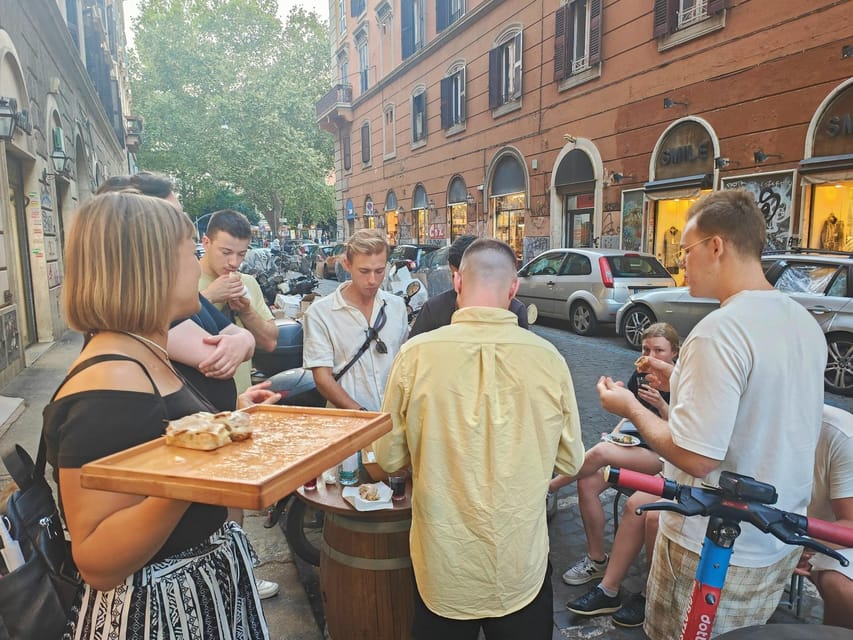
Rome has a million places to eat. The challenge is knowing which ones feel local, which ones are still doing things the Roman way, and which ones are just feeding tourists. This tour tackles that problem by grouping food tastings with the neighborhoods where those foods actually belong.
The route also makes practical sense. You start at Piazza San Simeone near the fountain, then move through sights that frame your meal stops, including areas around the Tiber and the lively pocket of Trastevere. In a short time, you get both the “what” (the bites) and the “why” (how these foods became staples).
You can also read our reviews of more tours and experiences in Rome.


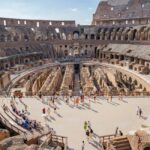
Meeting at Piazza San Simeone and Getting Oriented Fast
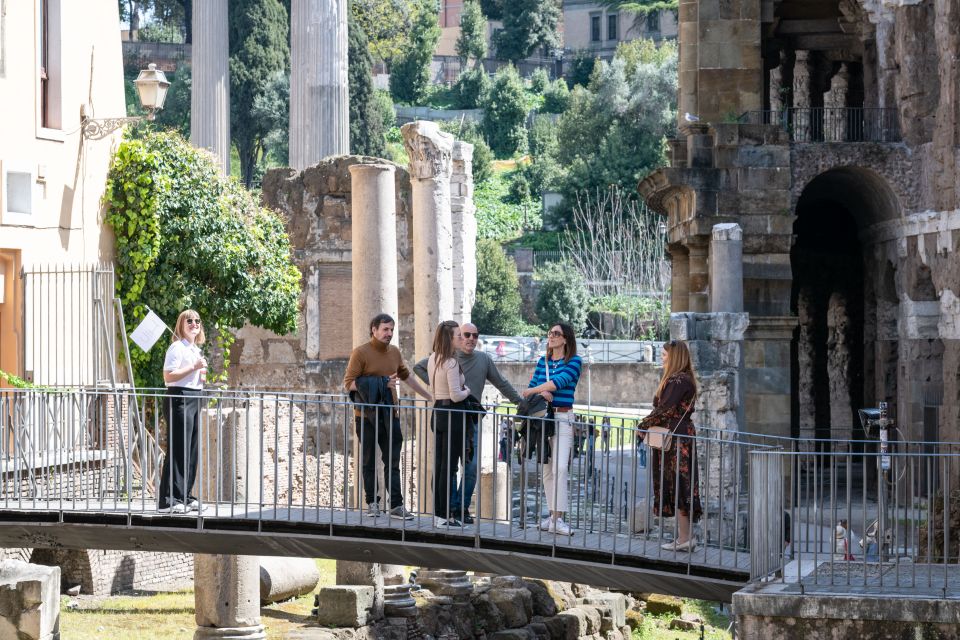
Your meeting point is Piazza San Simeone, right by the fountain in the middle of the square. This matters because it anchors you in the center of the walk and gets you moving quickly, without a long preamble.
From there, you pass by Chiostro del Bramante (briefly, about 3 minutes). It’s not a long stop, but it helps set the tone: you’re getting a guided route through recognizable landmarks and connecting streets, not only food storefronts.
Then you move on foot. That walking time is the point. Street food in Rome is rarely about one meal at one restaurant. It’s about short stops, fast stories, and keeping your appetite open for the next bite.
Santa Maria in Trastevere and Pizza From a Bakery Since 1870
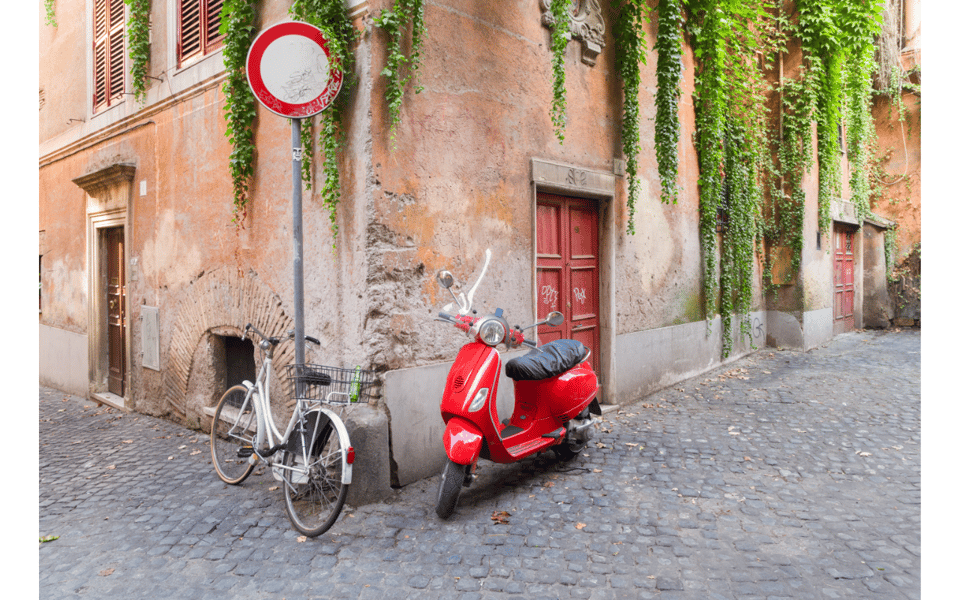
One of the tour highlights is Santa Maria in Trastevere, specifically noted as an ancient Byzantine-style church. A church stop might sound like a detour if you only came for food, but it works here because it gives you a real sense of how deep Trastevere’s layers run.
After that, you’ll taste Roman-style pizza from a famous bakery that’s been operating since 1870. That “since 1870” detail is more than a marketing line. It signals a place that survived trends and kept doing what locals keep coming back for.
Pizza on this kind of tour is also a good pacing tool. It’s a reliable first anchor—warm, handheld, easy to eat while walking—so you don’t feel stuffed too early, yet you’re already into the Roman flavor profile.
Two “Restaurant” Stops and a Secret Snack Moment
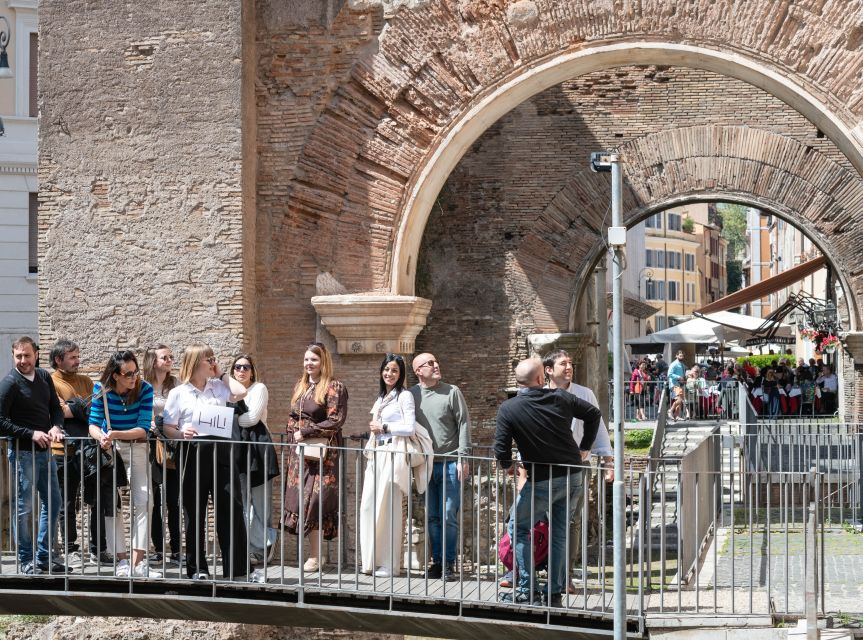
The tour includes multiple food tasting stops (including local restaurant stops around 15 minutes each). These are the times you’ll really feel the tour value, because you’re not paying extra to eat at each place on your own.
There’s also a secret stop (about 15 minutes) built into the flow. You won’t want to miss this part. Secret stops are where guides often take you to the streets where locals keep their habits, or where the best texture and freshness show up first. On a food tour, timing matters: the best suppli, the crispest pizza edge, and the right gelato temperature don’t wait forever.
From the food variety mentioned across guides and tours, you may see classics beyond pizza and gelato. In several guide-led experiences, people report items like suppli, porchetta, mortadella, and maritozzo showing up when availability allows. Even when the exact lineup shifts by season, the goal stays the same: you leave with a real spread of Roman street staples rather than just one category of snack.
Campo de’ Fiori Market: Suppli Hunting the Easy Way
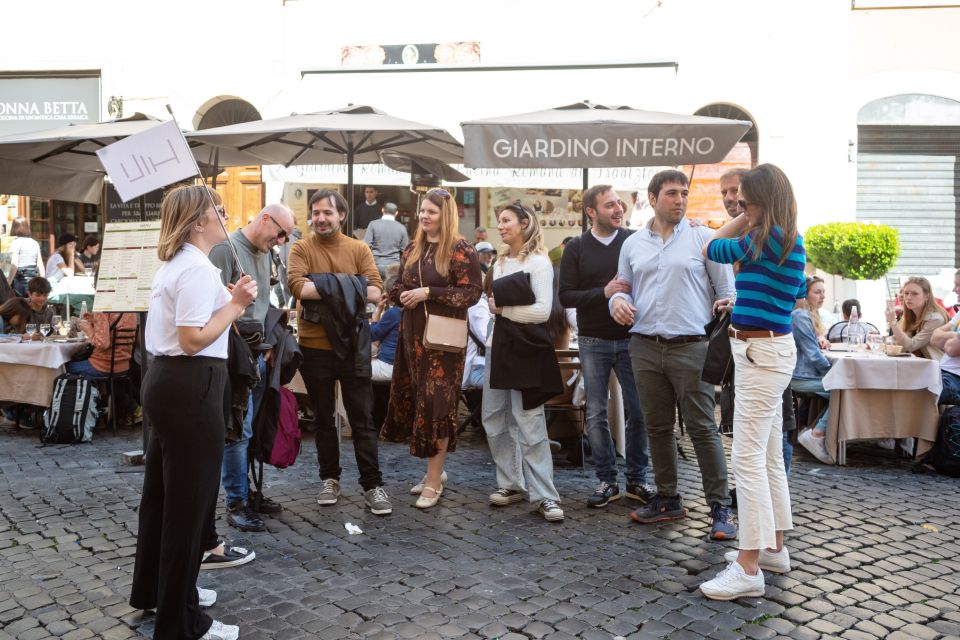
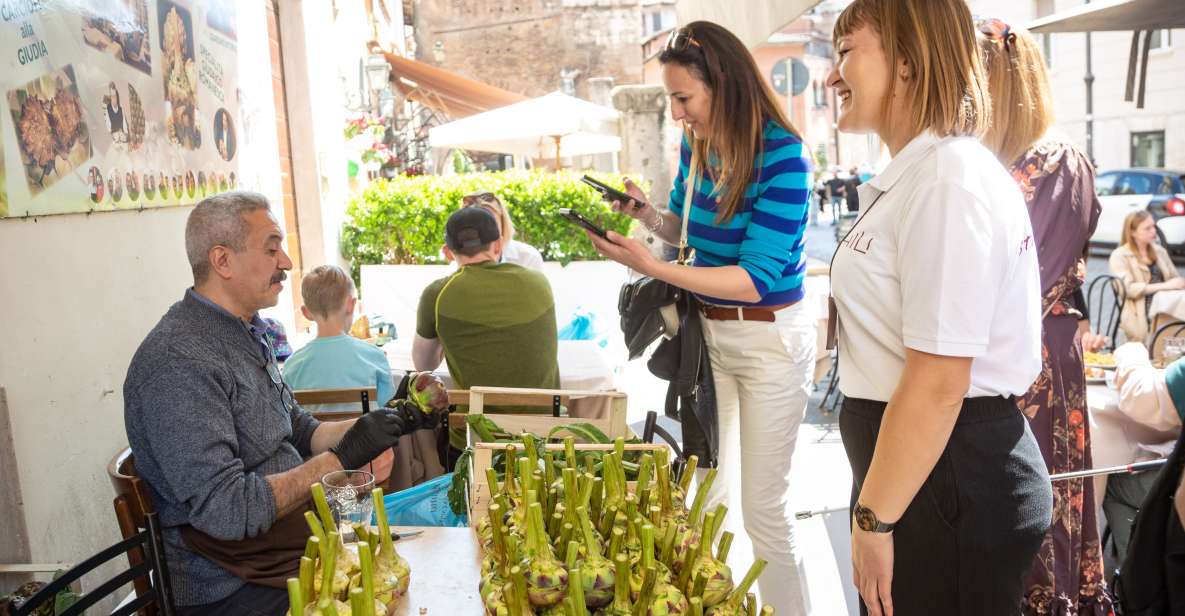
Then you hit Campo de’ Fiori, with a market visit of about 25 minutes. This is one of the smartest parts of the route because it turns “street food” into something you can see happening in real time.
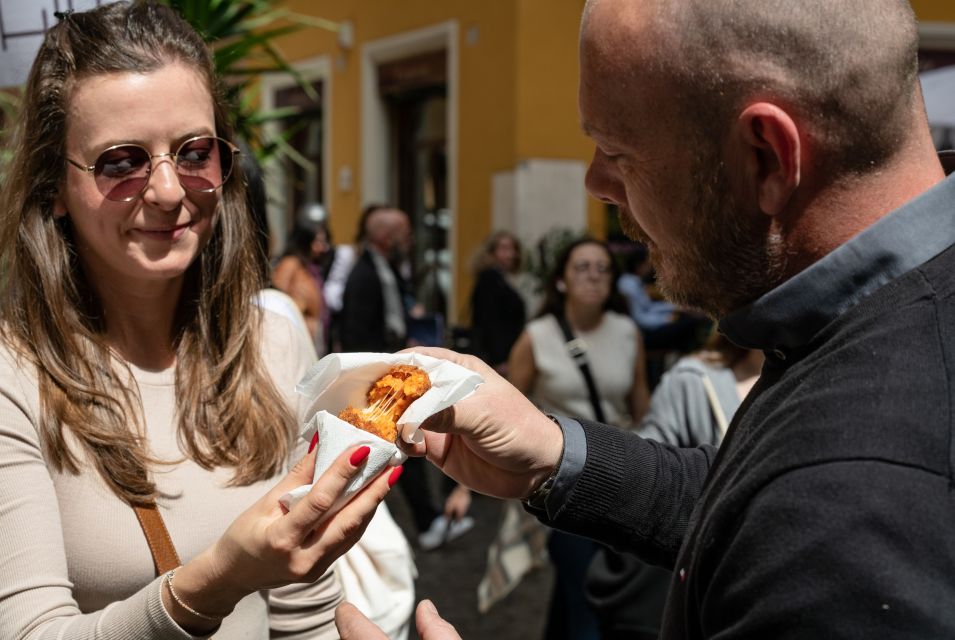
Campo de’ Fiori is known for its outdoor market energy, and on this tour you’ll also find guidance for what to buy on the spot. The highlight here is getting fresh handmade suppli, the classic Roman rice ball usually served hot with a stretchy, cheesy interior.
Suppli is one of those foods that’s easy to love and easy to mess up. A bad one can be dry or bland. A fresh one has that warm, crisp exterior and molten center that makes you understand why Romans treat it like comfort food, not just a snack.
If you’re worried about finding the “right” spot in a busy market, this stop solves that problem. You’re eating with the guide’s direction, not guessing.




Piazza Farnese, Ponte Sisto, and Piazza Trilussa: The Scenic Walk Breaks
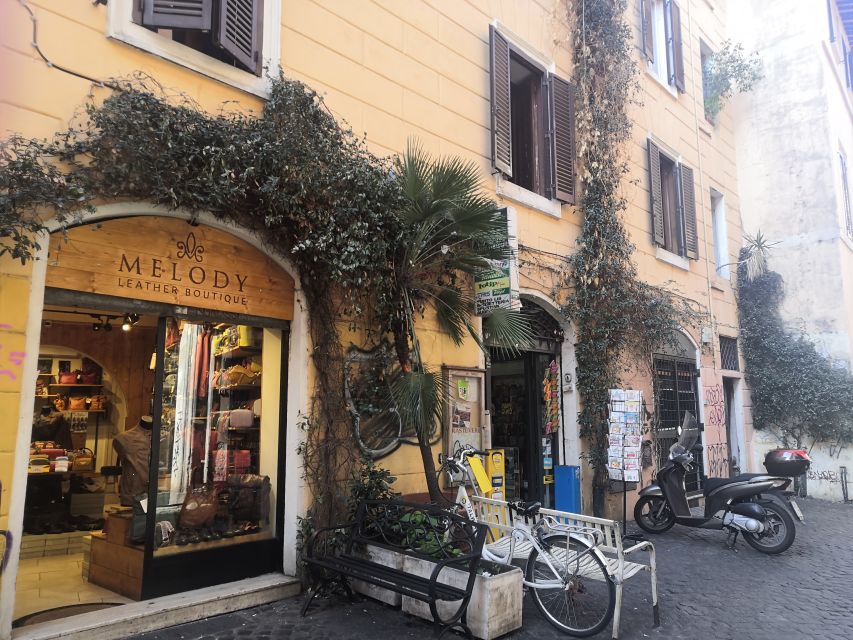
Between tastings, the tour includes several short scenic passes that keep the walking route interesting.
You’ll pass Piazza Farnese (around 5 minutes), then walk across Ponte Sisto (about 10 minutes). This bridge section is there for a reason: it gives you a moment of Rome’s scale and river views while you’re between bites.
Next up is Piazza Trilussa (about 5 minutes, pass-by). These short pauses prevent the tour from turning into a nonstop food sprint. They also give you mental landmarks, so after the tour you can remember where things are and repeat your favorite spots later.
Trastevere’s Street-Level Flavor and the Gelateria Regusto Finish
As you head into Trastevere, the walk leans into the neighborhood’s day-to-day life. Trastevere is described as Rome’s beating heart, and you feel that quickly when you’re walking the local lanes rather than only hitting the most obvious photo points.
The tour includes another local restaurant tasting stop (about 15 minutes). This is where you’re likely to expand beyond your earlier bites, picking up more Roman specialties and getting the “second wave” of flavors before dessert.
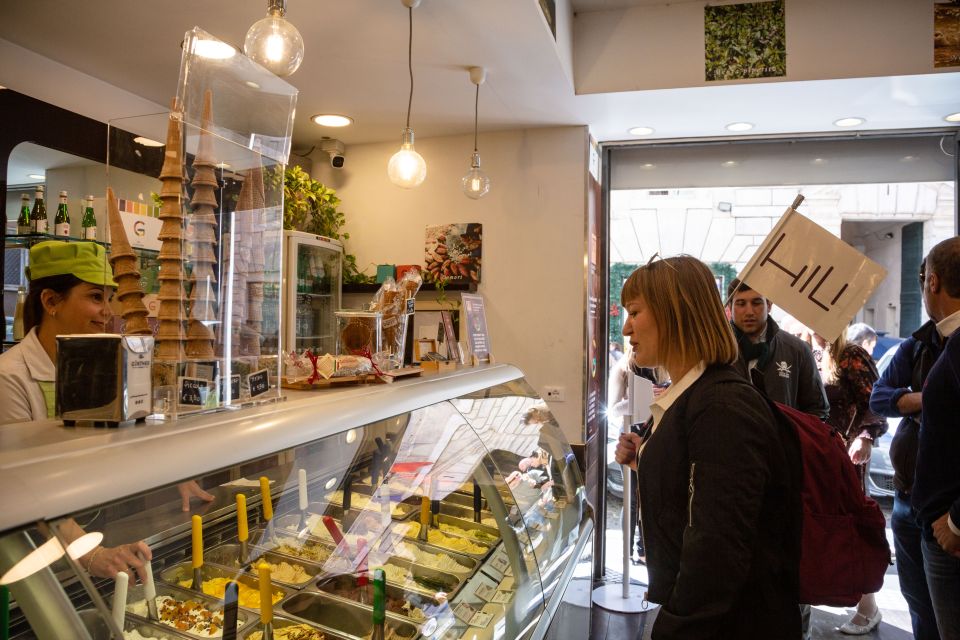
Finally, you end at Gelateria Regusto for gelato (about 15 minutes). The tour description calls it an iconic artisanal gelato stop, and that makes the final pacing feel right. You’ve had the savory snacks; now you get the cold, creamy finish that balances the whole meal arc.
If you care about doing gelato the Roman way, this ending is a good target. You’re not relying on chance or a random counter. You’re finishing with a named place on the route.
Guide Quality Is a Big Part of the Value
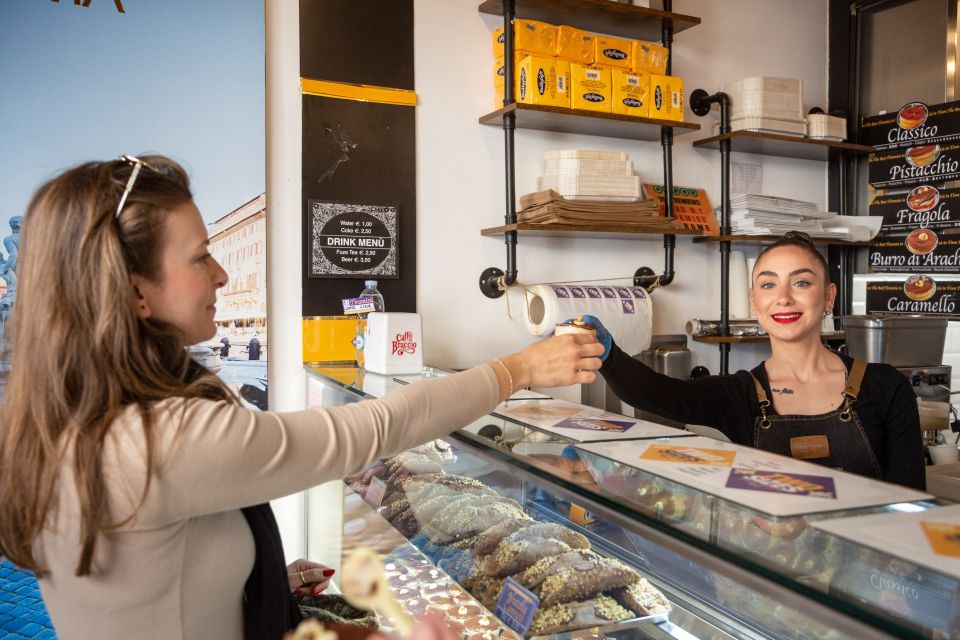
With food tours, the guide can make or break the experience. Here, the guide role seems to be the secret sauce, based on consistent praise for personality, humor, and storytelling.
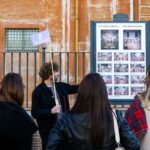
People commonly highlight guides such as Daniele and Leonardo for keeping the group engaged, explaining how food and neighborhood history connect, and using entertaining ways to keep everyone involved. One guide, Daniele, is even described with an archaeological background and using a tablet for images and videos during the walk. That kind of visual explanation helps you connect the dots between street life and the city you’re seeing.
Other names mentioned positively include Caterina and Alessandra, often praised for friendliness and making the tour interactive. There’s also a theme of guides helping with different group needs; for example, one review notes a guide accommodating a fussy eater so no one felt left out of the tasting flow.
When you book a walking food tour like this, you’re really buying three things: food tastings, local context, and a guide who can keep the group moving without rushing the good parts.
What You’ll Taste (and How Much It Actually Adds Up)
This tour is priced at $51 per person for a 2.5-hour walking experience with food included. Drinks are specifically noted as not included, so your best value comes from focusing on the tastings.
You should expect the core Roman street-food lineup described on the tour: pizza, suppli, gelato, and a traditional Roman sandwich. The exact items can shift with season and availability, but the tour framework stays consistent: classic bites, sold in the neighborhoods where Romans actually eat them.
Based on the variety that people mention after tours like this, you may also see additional Roman specialties such as porchetta, maritozzo, and mortadella at some stops. That matters for value. A tour that only gives you one or two bites feels skimpy. A tour that strings together several different tastes feels like you really ate dinner and learned something in the process.
Price and Logistics: The Parts That Matter for Planning
At $51, the key question is whether you’ll leave satisfied without spending more that night. With a 2.5-hour format and multiple tasting stops, you’re usually paying for the convenience of having the guide handle the “where” and “what to order,” while you concentrate on the food.
You’re also capped at 14 people, which helps. Smaller groups mean less time waiting, more room to ask questions, and a calmer walking rhythm in tight streets.
The most important logistical note for your planning is dietary fit. The tour is not suitable for vegans, and it’s not for gluten intolerance. Vegetarian options are supported if you inform the provider ahead of time.
Quick Practical Tips to Make This Tour Feel Effortless
Here’s how to set yourself up for the best experience once you’re on the street.
- Arrive hungry but not starving. You’ll get multiple tastings, so don’t start with a huge breakfast.
- Ask your guide about options early if you have dietary restrictions. You’ll get the best results by raising needs before the first stop.
- Wear comfortable shoes. This is a walking route through several neighborhoods and viewpoints.
- Expect changes by season. The tour notes tastings may shift with seasonal availability or local holidays, so go with the flow.
Who Should Book This Tour (and Who Should Skip It)
This is a strong match if you want to:
- Eat Roman street food without hunting for the best spots.
- See Trastevere and Campo de’ Fiori in a way that’s tied to food, not only sightseeing.
- Learn the stories behind snacks like suppli and pizza, and understand how neighborhood culture shapes eating habits.
You should skip this one if you:
- Need a gluten-free route, since it’s not suitable for people with gluten intolerance.
- Are traveling as a vegan, since it’s not suitable for vegans.
- Prefer a sit-down, plated meal style, since this is built around street-level tasting stops.
For families, it can work well too, especially with guides who are praised for handling children and remembering names. If your group includes teens or younger kids, you’ll likely appreciate the friendly, interactive guide approach people mention.
Should You Book the Rome Trastevere & Campo de’ Fiori Street Food Walking Tour?
If you want a high-return first look at Roman flavors, I’d book it early in your trip. This tour is designed to help you understand what to seek out again later—especially around suppli, pizza, and gelato—and it pairs those tastes with neighborhood context in Trastevere and Campo de’ Fiori.
But if your diet is vegan or gluten-free, don’t force it. The tour’s limitations are clear, and you’ll have a better time choosing something that truly fits your needs.
My bottom line: for most people who eat a normal Roman diet and like walking, this is a smart, well-paced way to turn an evening in central Rome into a real food education.