REVIEW · GENOA
2 Hours Private Historical Tour in Genoa
Book on Viator →Operated by Treecycle · Bookable on Viator
Genoa can feel like a maze. This private 2-hour tour helps you cover the key sights without fighting lanes, stairs, or parking stress. I love the relaxing rickshaw-style transport that keeps narrow streets manageable, and I love the mix of major landmarks plus small corners you’d skip on your own. One heads-up: the ride depends on good weather, and like any vehicle tour, you could run into an equipment delay.
The best part is how the guide keeps the day moving. You start easy to find in central Genoa, then let a local driver-guide handle the turning, while you focus on details like street names, medieval structure, and the layers of the city. In past departures, guides such as Eleonora, Youssef, Soufi, Sophie, Giulia, Beatrice, Lucia, and Gavino have set a friendly tone and kept time for questions and photos.
Pricing is straightforward: $114.93 per group (up to 2). That can be good value if you want a first “map in motion” and you’re short on time, but it’s not the cheapest way to see Genoa. I’d book it early if you can—this type of tour is often reserved about six weeks out.
In This Review
- Quick hits before you go
- Genoa’s maze, handled: how this private 2-hour ride works
- Meeting point at Galata Museo del Mare: where you start and how to find the driver
- The route stop by stop: Sarzano, Via Garibaldi, Columbus House, and the Old Port
- Piazza Sarzano: the early nucleus of Genoa
- Chiesa Santi Cosma e Damiano: medieval-center surprise
- Via Garibaldi: the Golden Street turned museum of power
- La Casa di Colombo: Columbus House near Porta Soprana
- Piazza Banchi: the old grain market and money-changers
- The San Lorenzo area (cathedral parvis and legends)
- Giardini Luzzati: a quick stop with a playful feel
- Piazza Raffaele De Ferrari: Genoa’s main gathering square
- Palazzo San Giorgio: medieval palace presence
- The Old Port: waterfront views and the Renzo Piano promenade
- What you’ll learn (and why the pacing changes your visit)
- Value check: $114.93 per group and what you’re buying
- What to wear and expect when Genoa changes the mood
- Should you book this Genoa historical tour?
- FAQ
- How long is the 2 Hours Private Historical Tour in Genoa?
- What is the price and group size?
- Where do we meet for the tour?
- Is pickup offered?
- Is the tour in English?
- What happens if weather is poor or I need to cancel?
Quick hits before you go
- A private group of up to 2 means you can ask questions without feeling rushed.
- Central start at Galata Museo del Mare makes it simple to orient yourself quickly.
- Sights in 2 hours: Sarzano, Via Garibaldi, Columbus House, the cathedral area, and the Old Port.
- Photo-friendly pacing with frequent stops, so you can actually capture what you came for.
- Real problem-solving on the road has shown up in past tours, even when a rickshaw had trouble.
Genoa’s maze, handled: how this private 2-hour ride works
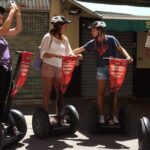
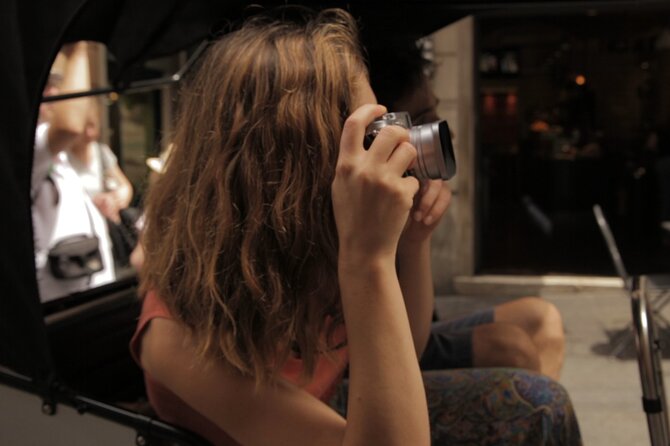
This is a small-group, private historical tour built for Genoa’s shape. The historic center is full of tight lanes, quick turns, and sudden elevation changes. Instead of walking it all, you ride in a rickshaw-style vehicle (and in some departures, people have also used electric pedal-bike options).
That matters because Genoa isn’t just “pretty streets.” It’s a port city with old power centers, church life, and merchant wealth packed close together. When you’re moving, your brain starts connecting the dots: docks lead to markets, markets lead to palaces, palaces connect to the way the city grew.
You’ll spend about two hours with your guide and return to the same meeting point. The tour is offered in English, and it’s designed so most people can participate. Service animals are allowed, and it’s near public transportation—which helps if you’re arriving by train or spending the day around the port.
You can also read our reviews of more tours and experiences in Genoa.
Meeting point at Galata Museo del Mare: where you start and how to find the driver
You meet at Galata Museo del Mare, Calata Ansaldo De Mari 1, 16126 Genova. If you’re coming from the port area, there’s a practical setup: pickup is offered, and you’ll find the driver in the square in front of the terminal exit.
This is the kind of meeting point that reduces friction. Genoa’s center can be confusing when you’re trying to find a specific side street, especially after a cruise arrival. Starting at the maritime museum area also makes sense because the day naturally ends back near the harbor.
If you’re using public transit, the tour is listed as being close to transit stops. And because you receive a mobile ticket, you aren’t digging through printed confirmations.
The route stop by stop: Sarzano, Via Garibaldi, Columbus House, and the Old Port
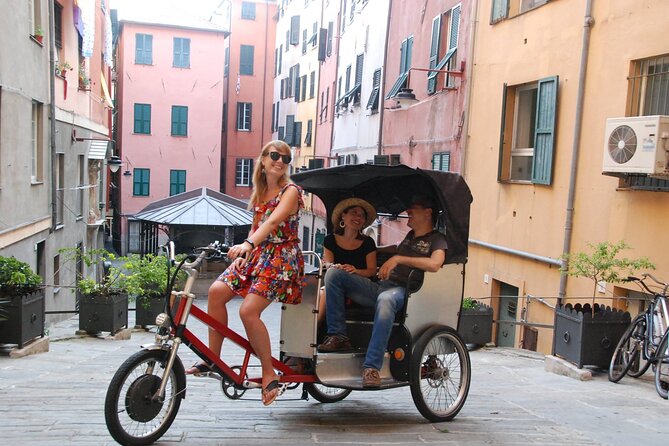
The route is paced for maximum “walkable sightseeing without walking.” You’ll rotate between squares, church exteriors, palace streets, and the waterfront, with short stops that give you time to look up and around.
Piazza Sarzano: the early nucleus of Genoa
You begin at Piazza Sarzano, in the area linked to Genoa’s earliest core, often described as the original nucleus of the city (sometimes tied to the old name Ianua). Here you can look toward the bell tower of Sant’ Agostino church and a small temple.
A nice bonus at this stop is the view of Ravecca Street in the background. That’s the kind of detail that helps you read Genoa later, even when you wander on your own.
Chiesa Santi Cosma e Damiano: medieval-center surprise
Next is Chiesa Santi Cosma e Damiano. The tour keeps this one as a bit of a surprise rather than over-explaining before you arrive, which I like. You get a quick stop in a part of the medieval center that still feels like it belongs to the city, not just to tourists.
The time here is short, so focus on what’s in front of you: the setting, the church exterior, and how the surrounding lanes funnel you back toward the main streets.


Via Garibaldi: the Golden Street turned museum of power
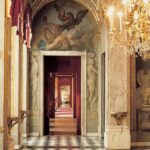
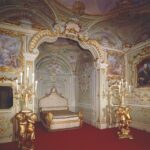
Then comes Via Garibaldi, one of Genoa’s show-streets. The tour frames it as a corridor where time seems to pause between grand palaces and formal garden spaces.
This street has a layered name story:
- It was originally Strada Maggiore
- Then Strada Nuova
- And until the 19th century it was known as Via Aurea (the Golden Street)
- In 1882, it was renamed in honor of Giuseppe Garibaldi
If you’re the type who usually walks past big buildings without connecting the dots, this stop helps. You’ll start noticing how architecture and street naming reflect shifts in power and pride.
La Casa di Colombo: Columbus House near Porta Soprana
After Via Garibaldi, the tour moves toward the walls’ edge for La Casa di Colombo, often called Columbus’ House. It’s near Porta Soprana, just outside the medieval walls.
A key historical angle: the current building is probably an 18th-century reconstruction of an earlier medieval structure. Written sources suggest Columbus may have lived here between 1455 and 1470. The site also ties to a real tragedy—during the bombing by the French fleet of King Louis XIV in 1684, Genoa was hit, and the original building was likely destroyed.
This stop is short, but it gives you something valuable: context for why Genoa claims Columbus as part of its own identity, not just as a visitor’s story.
Piazza Banchi: the old grain market and money-changers
Next is Piazza Banchi, just off an important dock area. In the 12th century it was linked to Genoa’s grain market, and the name piazza dei banchi is associated with money-changers’ stalls placed under porticoes along the buildings.
It’s easy to think of a square as “just where people meet.” Here, the tour encourages you to see it as a business hub. If you look under the porticoes and imagine the movement of goods and currency, you’ll get why these commercial spaces shaped the whole city plan.
The San Lorenzo area (cathedral parvis and legends)
Then you reach the Il Cittadino – Arcidiocesi di Genova area and the broader cathedral zone. The tour connects this to Cattedrale di San Lorenzo, which is described as the most important church in Genoa.
The tour notes that the cathedral and artistic representations on its walls gave rise to legends and curiosities. It also explains why this location mattered: after the cathedral relocation and the wall construction, the San Lorenzo area became the heart of the city. In a city without squares, the parvis offered a stage for social and political life during the Middle Ages.
This is a great stop for people who like human-scale history. It’s not only about what a building looks like; it’s about how public life happened in front of it.
Giardini Luzzati: a quick stop with a playful feel
You’ll also spend a short time at Giardini Luzzati. As with a couple other points, the tour keeps it more “see it and feel it” than a long lecture.
Even if you only get ten minutes, it’s a useful contrast. After squares, palaces, and churches, a garden stop helps reset your eye and makes the day feel less like a checklist.
Piazza Raffaele De Ferrari: Genoa’s main gathering square
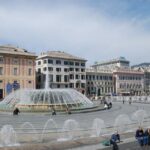
Then comes Piazza Raffaele De Ferrari, the city’s main square and a gathering place for major events. It’s dedicated to Raffaele De Ferrari, the Duke of Galliera, who donated major funds in 1875 toward projects to expand the port.
In the center is a monumental bronze fountain crafted by architect Cesare Crosa of Vergagni in 1936. The square also sits near landmark buildings, including the Teatro Carlo Felice and the Accademia Ligustica di Belle Arti, both designed by Carlo Barabino.
The edges of the square show Genoa’s official and artistic side:
- Palazzo Ducale, with its main entrance on the nearby Piazza Matteotti
- Palazzo della Regione Liguria, offices built in 1920
- Palazzo della Nuova Borsa, an Art Nouveau-style building from 1912
If you want one stop that helps you understand why Genoa is both commercial and cultural, this is it.
Palazzo San Giorgio: medieval palace presence
Next is Palazzo San Giorgio. The tour treats it as one of the medieval palaces you should see in the historic center.
In practice, this is a “look up and take it in” moment. Palaces in Genoa often feel like they’re quietly controlling the street—so don’t rush your gaze.
The Old Port: waterfront views and the Renzo Piano promenade
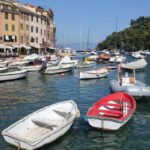
You wrap up at the Old Port. You’ll have time near a waterfront plaza designed by renowned Genoese architect Renzo Piano.
This area is described as offering opportunities for cultural and recreational events, scenic harbor views, and access to well-known attractions. It also works well as an ending point because you can decompress after the older lanes and then take your bearings for what you’ll explore next on foot.
What you’ll learn (and why the pacing changes your visit)
A tour like this is really about mental navigation. Genoa is complicated, and the best guides help you build a simple map: where merchant life lived, where power showed up, and how the port connected everything.
The stops create a story arc:
- early city nucleus at Sarzano
- a key palace street on Via Garibaldi
- the Columbus connection near the walls
- commercial square life at Piazza Banchi
- church and civic identity in the San Lorenzo area
- the public stage of Piazza De Ferrari
- and finally the working harbor at the Old Port
Past guide styles show up in how the tours run. For example, guides like Eleonora have been praised for frequent photo stops, while Youssef has been described as friendly, entertaining, and excellent at turning architecture into understandable city history. People have also noted that guides such as Gavino made the ride feel effortless, with lots of information delivered without turning the day into a lecture.
You’ll also get practical comfort: avoiding traffic and not spending your whole limited time stuck in the slow grind of narrow-street wandering. In rain, some departures still ran, and the vehicle format helped make the narrow streets accessible.
Value check: $114.93 per group and what you’re buying
Let’s do the quick math. At $114.93 per group (up to 2), your cost per person is roughly $57.47 if you’re two people sharing. That doesn’t mean it’s always cheap, but it can be smart value if you care about time and comfort.
You’re paying for:
- a private guide (not a big bus format)
- transport that reduces fatigue on hills and tight lanes
- a planned route that hits the city’s most important “anchors”
- English narration and the freedom to ask questions
This value is strongest when you have limited hours in Genoa, like if you’re in port for a short time or you want one “orientation tour” early in your day. If you’re planning a long, slow self-guided walk, you might not need the vehicle support.
One more note: demand tends to build. This type of tour is commonly booked around 43 days in advance, so if you’re aiming for a specific day, I’d lock it in sooner.
What to wear and expect when Genoa changes the mood
Genoa can be breezy near the water, and the tour itself warns it requires good weather. If the weather is poor, you’ll be offered a different date or a full refund.
For clothing, I’d plan for comfort over style. Think light layers and sun protection, especially if you’re doing this earlier in the day and hitting open-sky squares. One review tip that’s practical for you: people have recommended dressing appropriately because there can be wind, and wearing a hat or sunscreen helps.
Now, the honest part: vehicle tours can face mechanical hiccups. There have been past issues like a rickshaw stopping due to mechanical trouble and even a flat tire shortening a trip and delaying the ride. The good news is that staff and guides have handled replacements and helped move things along in those situations, but you should still build a little flexibility into your schedule.
Should you book this Genoa historical tour?
Book it if:
- you want a fast, guided orientation to Genoa’s historic center
- you prefer seeing more with less walking fatigue
- you’re traveling as a couple and want private time
- you’d benefit from a guide who can explain why places matter, not just what they look like
Skip it or switch plans if:
- you’re determined to do everything on foot and you have plenty of time
- you dislike weather-dependent activities
- you have a tight “ship must depart at X time” window and zero flexibility, since small delays can happen with any vehicle-based tour
FAQ
How long is the 2 Hours Private Historical Tour in Genoa?
The tour lasts about 2 hours.
What is the price and group size?
It costs $114.93 per group, up to 2 people, and it’s a private tour where only your group participates.
Where do we meet for the tour?
You meet at Galata Museo del Mare, Calata Ansaldo De Mari 1, 16126 Genova, Italy.
Is pickup offered?
Yes. Pickup is offered, and you’ll find the driver in the square in front of the terminal exit.
Is the tour in English?
Yes, it’s offered in English.
What happens if weather is poor or I need to cancel?
The tour requires good weather. If it’s canceled due to poor weather, you’ll be offered a different date or a full refund. You can cancel for free up to 24 hours in advance for a full refund.