REVIEW · GENOA
Genova: Basilica of Carignano, ascend and visit
Book on GetYourGuide →Operated by Kalatà s.r.l. · Bookable on GetYourGuide
Genoa changes the moment you climb. The Basilica of Carignano puts you above the city and layers in real architecture story: a Renaissance church planned for Genoa’s elite and later shaped with Baroque power. I love the panoramic view from the top and the chance to walk along scenic areas that are usually off-limits; it feels like you’re being let into a side of Genoa that tourists rarely see. One drawback to plan for: the live guide is Italian-only, so if you don’t read or speak Italian, you’ll rely more on atmosphere and on the view than on the details.
You start at the Basilica di Carignano on via Alghero, then move through the hill area at a relaxed pace over about 75 minutes. Even if you’re short on time, this is one of the quickest ways to get a big “wow” without spending half a day commuting around the hills.
In This Review
- Key things I’d highlight before you go
- Meeting at Basilica di Carignano: where you’ll begin your view
- Carignano Hill ascent: fast walking with a view payoff
- Santa Maria Assunta in Carignano: Renaissance design with aristocratic purpose
- Panoramic belvedere: aiming your eyes from the Lantern to Portofino
- Ancient scenic walkways: what’s special about the part most people miss
- Inside the basilica: how wealth, faith, and style meet in one building
- 75 minutes, Italian narration, and how to make it work if you don’t know the language
- Price and value: is $16 actually a good deal?
- What to bring and what to avoid for a smooth Carignano visit
- Should you book the Carignano basilica ascend-and-visit tour?
- FAQ
- Where is the meeting point?
- How long is the tour?
- Is there a live guide?
- What language is the tour in?
- Does the tour run in bad weather?
- Is it okay to bring a camera?
- Are kids allowed?
- Are animals allowed?
- What should I wear or bring?
Key things I’d highlight before you go
- Only Genoese Renaissance church: Santa Maria Assunta in Carignano is the city’s one major Renaissance stop of this type.
- Built for the noble Sauli family: architect Galeazzo Alessi began the design in 1549 for Genoa’s high society.
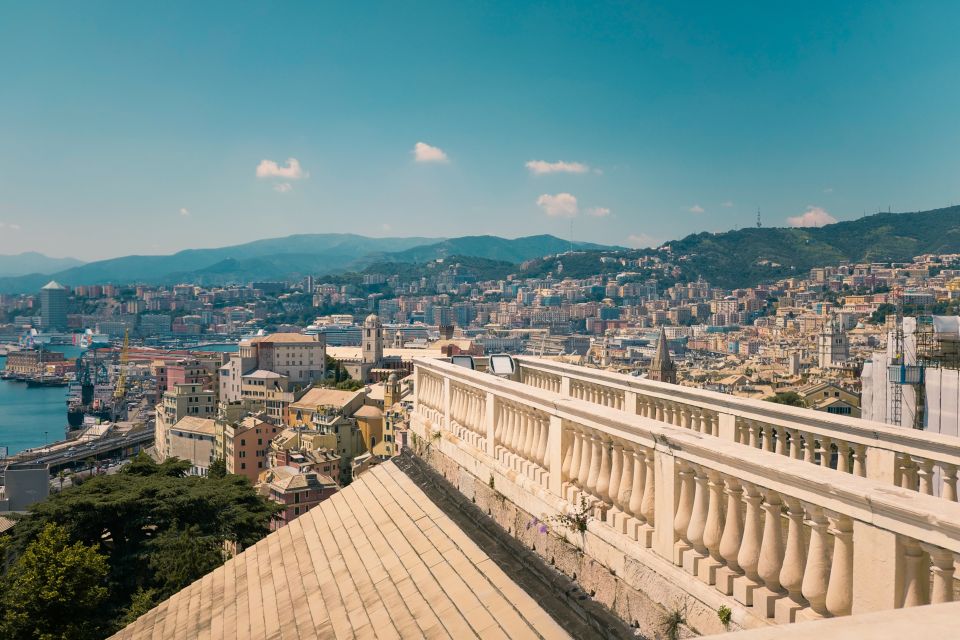
- A belvedere with orientation: you’re aiming your eyes from the Lantern toward the Portofino promontory.
- Ancient scenic walkways: you get to areas that are typically not open to the public.
- Guided, not just “look around”: the tour adds context so the viewpoint makes sense.
- Short and focused: plan for about 75 minutes total.
Meeting at Basilica di Carignano: where you’ll begin your view
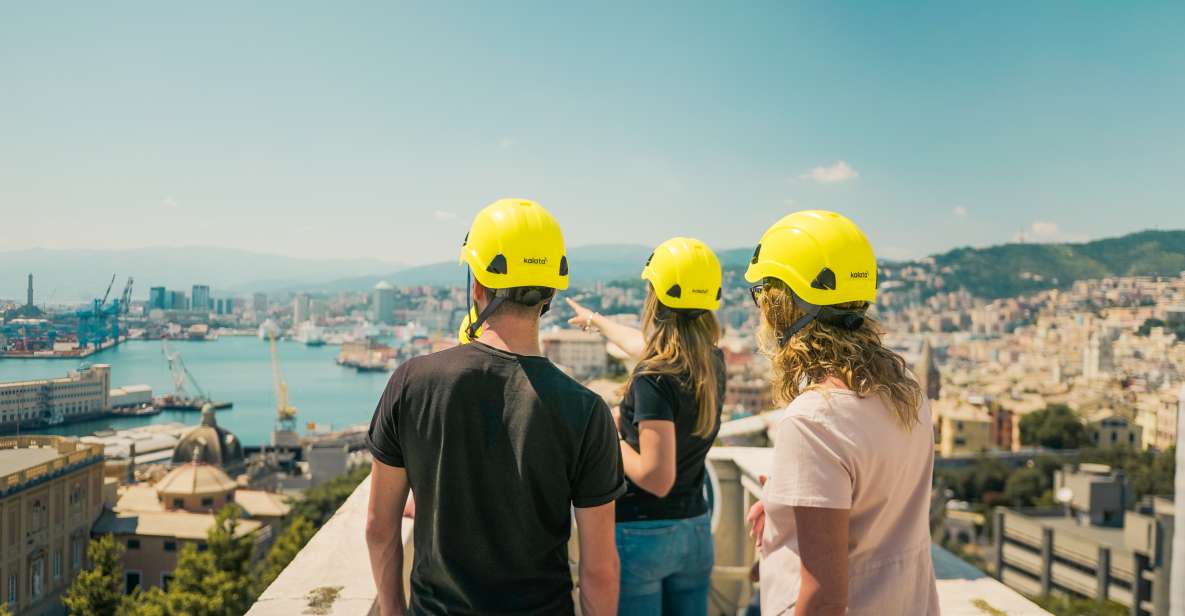
This visit starts right at the Basilica di Carignano, on via Alghero. It’s a smart meeting point because you’re not wasting time figuring out how to get to the top; the church sits on Carignano Hill, so the experience is about moving upward quickly and then savoring what’s around you.
The tour is about 75 minutes, and it’s led by a live guide in Italian. That matters more than it might sound. If you enjoy history-by-way-of-human storytelling, you’ll get a lot out of it even with simple vocabulary. If your Italian is limited, you can still benefit by watching how the guide points out landmarks and explaining what you’re seeing.
Two practical notes to treat as part of the plan: the activity runs rain or shine, and you’ll want closed-toe shoes and comfortable clothing. You’re on a hill, and even a short outing feels more physical when the ground is wet or uneven.
Finally, there are a few firm rules: no baby strollers, no bikes, and no barefoot entry. Animals are not allowed, except assistance dogs. And if you’re bringing kids, entry isn’t permitted for children under 6 years old.
You can also read our reviews of more tours and experiences in Genoa.
Carignano Hill ascent: fast walking with a view payoff
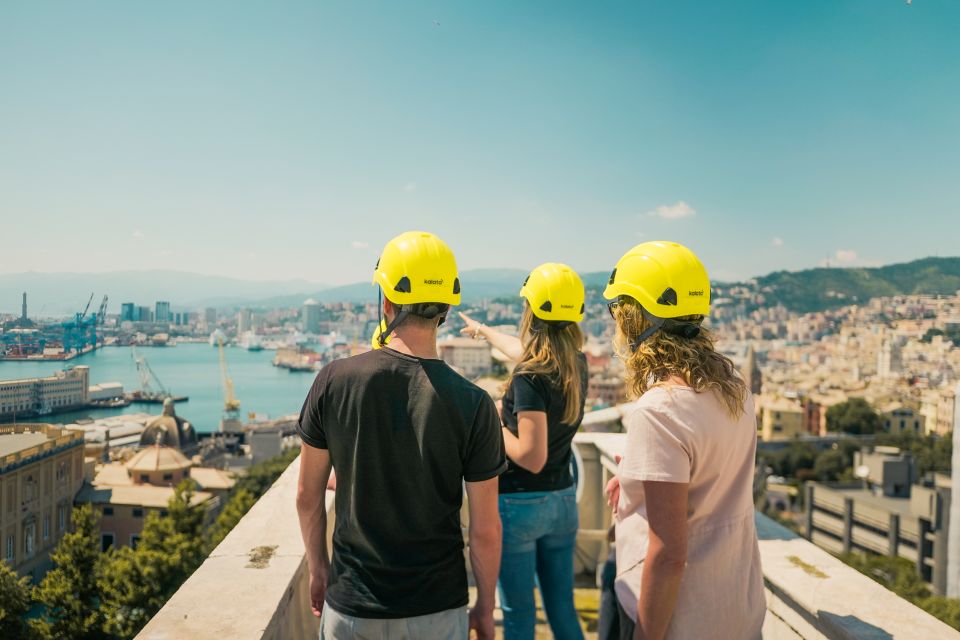
You’re going up to the Basilica of Santa Maria Assunta, and the payoff is immediate: Genoa looks different when you’re above the streets instead of at street level. The hill setting isn’t an add-on. It’s the point of the tour—so arriving ready to walk matters.
This is also where the guided aspect helps. Without guidance, you might still enjoy the panorama, but you can miss what makes this particular hill view special. The vantage is described as one of Genoa’s most recognizable features and a fascinating belvedere. In practice, that means you’re getting a “wide-angle” sense of the city and coastline rather than only a tight neighborhood view.
If you tend to get restless waiting in long lines, this outing usually feels manageable because it’s 75 minutes. If you like to stand back, take photos, and absorb details, you’ll still get time for that—just don’t plan on a slow, lingering hike. Think of it as a focused climb plus a guided visit.
Rain or shine is part of the deal. If the weather is wet, bring your patience and take your footing seriously. The best photo angles can come with slick surfaces, and the rules around clothing and shoes are there for a reason.
Santa Maria Assunta in Carignano: Renaissance design with aristocratic purpose
The Basilica of Santa Maria Assunta in Carignano is Genoa’s only church of the Genoese Renaissance. That single fact changes how you should look at the building. You’re not just visiting a pretty church. You’re seeing a style shaped by status, ambition, and the city’s wealth.
The design begins in 1549, credited to the Perugian architect Galeazzo Alessi. Alessi conceived it as a grandiose aristocratic church for the noble Sauli family—so the “why” behind the architecture is tied to power. Renaissance architecture in a port city like Genoa isn’t only about beauty; it’s also about messaging. This church was built to signal taste, money, and cultural standing.
Then comes the later layer. The basilica is described as an expression of Renaissance and later Baroque Genoa, which is a good way to remember that you might notice a mix of approaches—more than one artistic “language” talking to you through stone and space. If you like your architecture with context, the guide’s explanations are where you’ll feel the value. You’ll learn how the building’s location, patronage, and design intentions connect to the Genoa people built during those centuries.
One more reason I like this stop: it’s on Carignano Hill. That means the church is part of the city’s visual identity, not tucked away like an afterthought. When you see the basilica both from inside and from the top, the building makes more sense as a landmark with a job to do.
Panoramic belvedere: aiming your eyes from the Lantern to Portofino
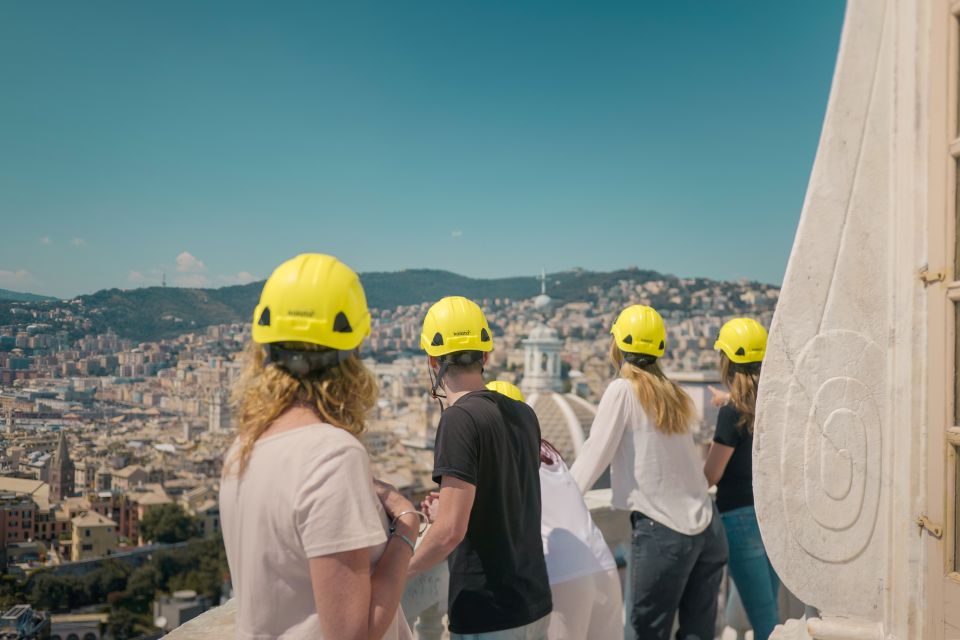
The top view is the headline, and it’s not vague. You’re aiming your gaze from the Lantern (Genoa’s iconic lighthouse) toward the Portofino promontory. That sweep matters because it gives you real geographic anchors, not just “pretty scenery.”
When I’m doing these kinds of viewpoint tours, the biggest mistake is staring without orientation. So here’s how you’ll get more out of it: let the guide’s pointing help you identify the city core first, then track outward toward the coast. Once you understand what you’re looking at, the photos become more than souvenirs; they become a memory you can map.
This is also a great spot for first-time orientation in Genoa. Even if you’ve already walked around near the old harbor, the view from Carignano adds a new layer. The city becomes a shape—hills, coast, and the sense of how Genoa hugs the water.
Cameras are allowed as long as they’re equipped with a safety strap. It’s a small detail, but it matters on viewpoints. Plan to secure your camera so you don’t end up distracted mid-shot. If you’re using your phone, still keep a grip. The rules around safety are part of how the tour works.
Ancient scenic walkways: what’s special about the part most people miss
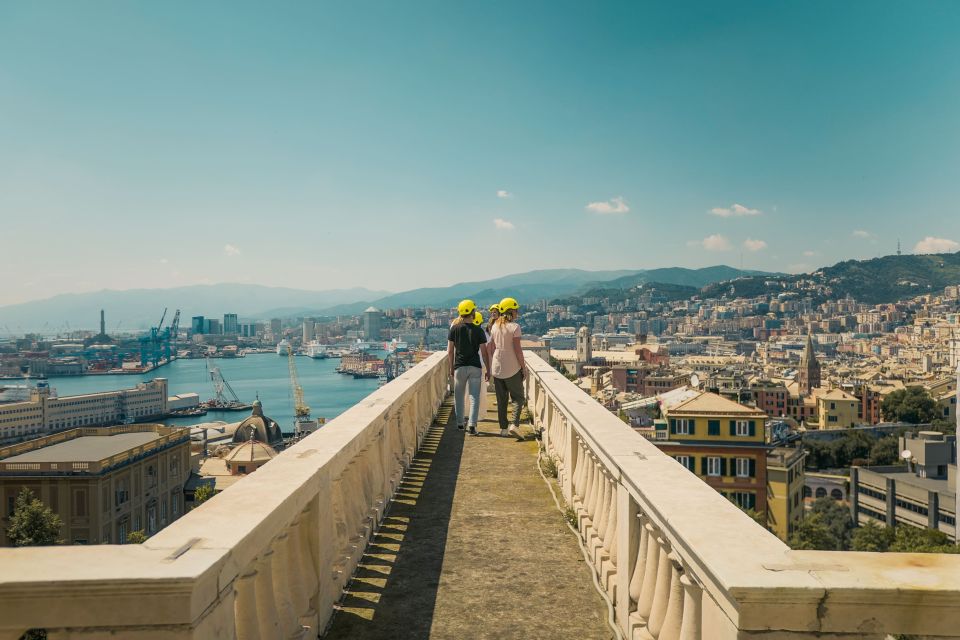
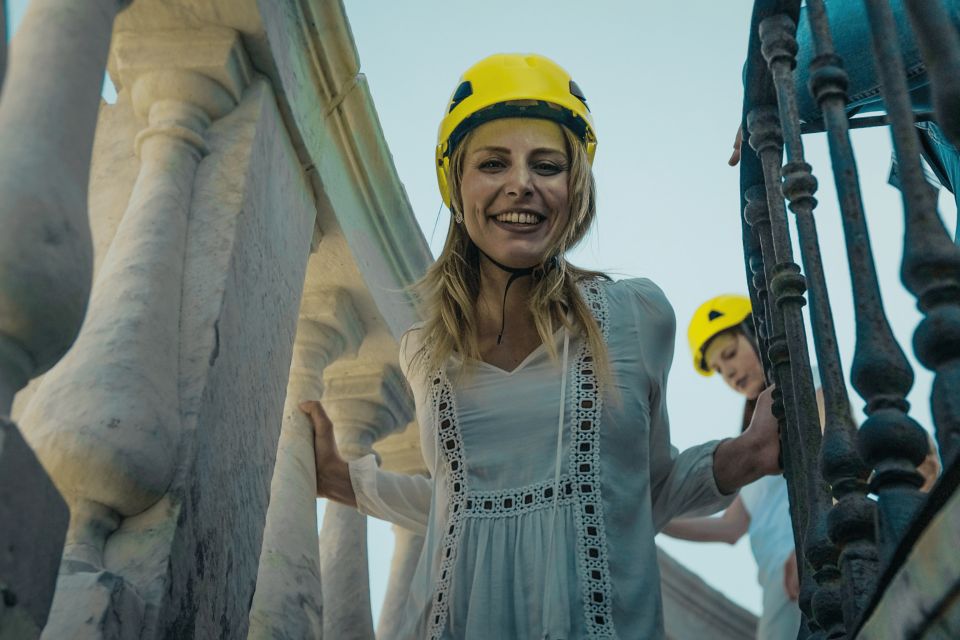
One of the smartest parts of this tour is that it doesn’t only stick to the church interior and the main viewpoint. You also reach ancient scenic walkways—areas described as hitherto never open to the public—that help you admire the area from additional angles.
That’s where the value really stacks up. Doing the basilica on your own might give you a nice visit, but you’d likely miss these specific walkway opportunities. With the guided route, you’re not just consuming sights; you’re getting a curated set of viewpoints tied to the site’s history and layout.
It also changes the emotional feel of the experience. A viewpoint from the main terrace can look like a standard photo stop. Walkways that aren’t usually open create a stronger sense of discovery. You feel like you’re seeing Genoa in the way locals might—by moving, turning, and letting the panorama evolve.
Because the route is part of a guided activity, you can expect the timing to be organized around safe access and viewing points. That’s a plus if you don’t want to spend energy guessing where to go and when to stop for photos.


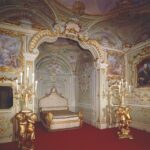

Inside the basilica: how wealth, faith, and style meet in one building
Once you shift from the open-air views to the church itself, the basilica rewards a different kind of attention. This is where that Renaissance label becomes useful. Santa Maria Assunta in Carignano was conceived as an aristocratic church for a powerful family, so the building reads like an intentional statement.
The design begins with Galeazzo Alessi in 1549, but the overall impression connects Renaissance beginnings with later Baroque Genoa. In plain terms: you might notice that the church feels both planned and expressive—built with formal intention, but shaped by centuries of Genoese taste.
The guide’s job is to turn that into something you can understand while you’re standing there. You’ll hear how the basilica relates to the wealthiest and most cultured society of its era, and how its position on the hill amplified its role as a city landmark. If you care about architecture beyond selfies, this is the part that makes the viewpoint meaningful.
If you don’t speak Italian well, don’t panic. Focus on what the guide points to: structural choices, the sense of scale, and any visual details that explain why this church is called the city’s Renaissance standout. The spoken language helps, but your eyes can still follow the logic.
And remember the basics for a sacred site: wear respectful attire, keep your volume down, and treat the interior with care. Cameras are allowed with the safety strap rule, so you can document, but don’t rush.
75 minutes, Italian narration, and how to make it work if you don’t know the language
This tour lasts 75 minutes, which is long enough for a real guided circuit but short enough to fit neatly into a day in Genoa. That timing is a big advantage when you’re trying to prioritize. If you’re already covering multiple neighborhoods, you don’t want a half-day detour just to see one church.
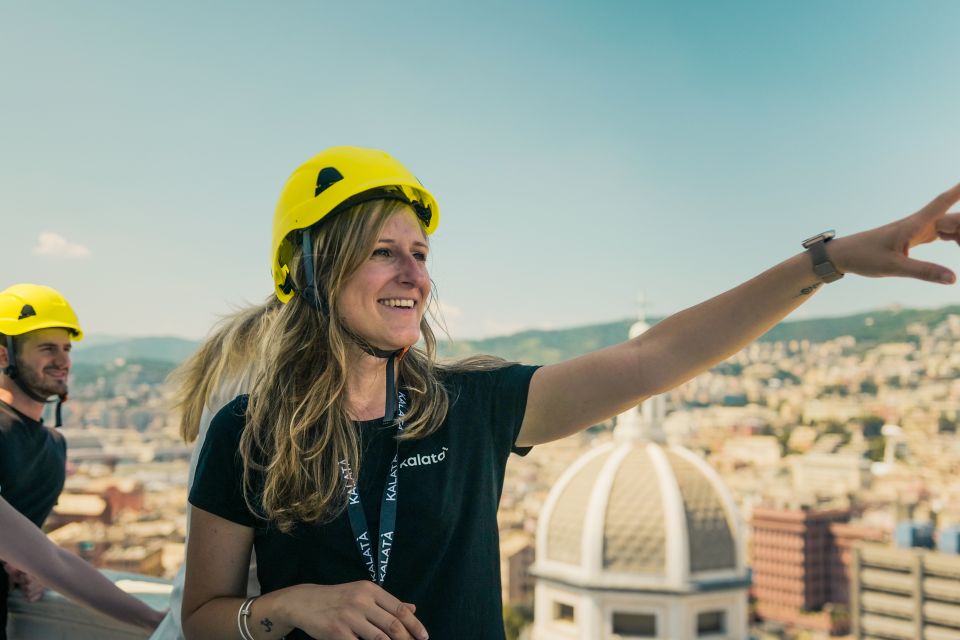
Language is the main watch-out. The live tour guide speaks Italian. If you’re fluent, you’ll enjoy the storytelling and the history-by-context. If your Italian is limited, think of it like a visual guided walk: let the guide’s pointing do some of the translation work for you.
A helpful detail from the experience itself: guides can be thoughtful about the language situation. For example, an art historian named Simone has been known to explain the basilica with genuine preparation, and he even acknowledged at the end that the tour wasn’t in English. That kind of respect makes the experience feel human, not cold.
So your strategy: be ready to listen for themes—who commissioned what, why the design matters, how the viewpoints connect to Genoa’s coastline. Then let the scenery carry the rest.
Price and value: is $16 actually a good deal?
At about $16 per person, this tour is priced like a “short but meaningful” activity. Here’s why that can be good value rather than just a low-cost add-on.
You’re paying for three things that are hard to replicate without guidance:
- A guided narrative that turns architecture and location into something you can understand on the spot.
- Access to scenic walkways described as not usually open to the public.
- A top-level viewpoint that frames Genoa with strong landmarks like the Lantern and toward Portofino.
If you were to do only a self-guided visit, you might still see the church and take photos. But you’d be missing the specific walkway experience and the context that helps you “read” what you’re seeing.
Is $16 worth it for everyone? It depends on your travel style. If you want a slow museum-like pace or you expect multilingual narration, you may feel it’s too short or too language-bound. If you like efficient trips with great views and interpretation, it’s a solid use of time and money.
What to bring and what to avoid for a smooth Carignano visit
To keep the experience comfortable, stick to the basics:
- Bring comfortable clothes.
- Wear closed-toe shoes.
- You’ll be outside as part of the hill ascent and viewpoints, so dress for rain even if the forecast looks promising.
Respect the restrictions so you don’t waste time at check-in:
- No baby strollers, baby carriages, or bikes.
- No climbing.
- No bare feet.
- No animals, except assistance dogs.
For photos, you’re allowed to take them, but your camera needs a safety strap. It’s a small requirement, and it’s there for the kind of surfaces you’re walking on.
Children under 6 can’t enter for safety reasons. If you’re traveling with kids, this is a key filter to keep in mind before you commit.
Should you book the Carignano basilica ascend-and-visit tour?
Book it if you want a short outing that gives you both: a big Genoa panorama and real context for one of the city’s most specific architectural identities. The combination of Renaissance pedigree (Galeazzo Alessi, starting 1549, for the Sauli family), strong viewpoint orientation (Lantern to Portofino), and access to usually-closed scenic walkways makes this more than a casual church stop.
Skip it or adjust expectations if Italian narration will be a major problem for you. This is an Italian-led experience, and that shapes how much of the story you’ll absorb. Also, if you need stroller-friendly access or you’re traveling with very young kids, the on-site rules could make it a non-starter.
If your goal is to see Genoa from an angle that feels different fast, this is a strong pick. You’ll come away with a skyline memory and a building story that actually connects.
FAQ
Where is the meeting point?
You meet at the Basilica di Carignano on via Alghero.
How long is the tour?
The experience lasts 75 minutes.
Is there a live guide?
Yes, there is a live tour guide.
What language is the tour in?
The guided tour is in Italian.
Does the tour run in bad weather?
The tour takes place rain or shine.
Is it okay to bring a camera?
Cameras are allowed as long as they have a safety strap.
Are kids allowed?
Entry is not permitted for children under 6 years old.
Are animals allowed?
Animals are not allowed. Only assistance dogs for people with disabilities are permitted.
What should I wear or bring?
Wear comfortable clothes and closed-toe shoes.