REVIEW · GENOA
Aquarium of Genoa Ticket and Whale Watching Cruise
Book on GetYourGuide →Operated by C-WAY Srl Unipersonale · Bookable on GetYourGuide
Dolphins and sharks, all in one day. This combo in Genoa pairs the Aquarium of Genoa (huge variety of sea life) with a guided whale-watching cruise in the Pelagos Sanctuary, where a marine biologist teaches you how to spot cetaceans and how to behave around them. The main catch: sightings depend on sea conditions, so whales or dolphins are never guaranteed.
You get a half-day boat portion departing right by the aquarium pier, and the whole day works best if you plan timing carefully since your aquarium entry is reserved separately after booking. One more plus: the deal includes skip-the-ticket-line aquarium entry, so you can spend more time looking and less time waiting.
In This Review
- Key things to love before you go
- Aquarium of Genoa and Pelagos cruise: why this is a strong Genoa day
- Price and value: what $85 buys you (and what it doesn’t)
- Inside Acquario di Genova: 70 exhibits and 600 species you can name
- The Pelagos Sanctuary cruise: a practical 4 hours on the water
- The marine biologist lesson: how spotting works when you’re on a moving boat
- What happens when you do not see whales or dolphins
- Timing strategy: how to fit aquarium + cruise smoothly
- What to bring: sunscreen, sight lines, and one small camera habit
- English and Italian: language matters for the guide portion
- Who this combo fits best (and who might want a different plan)
- Should you book the Aquarium of Genoa and whale watching cruise?
- FAQ
- What is included in the ticket price?
- How long is the whale-watching cruise?
- Where does the whale-watching cruise depart from?
- Do I need to reserve the Aquarium of Genoa separately?
- Is the whale-watching tour available year-round?
- Will I definitely see whales or dolphins?
- What happens if there are no cetacean sightings on my cruise?
- What language is the live guide?
- What should I bring for the cruise and aquarium?
- Can I cancel and get a refund?
Key things to love before you go
- Two experiences in one day: indoor sea-life galleries plus a 4-hour Pelagos Sanctuary cruise
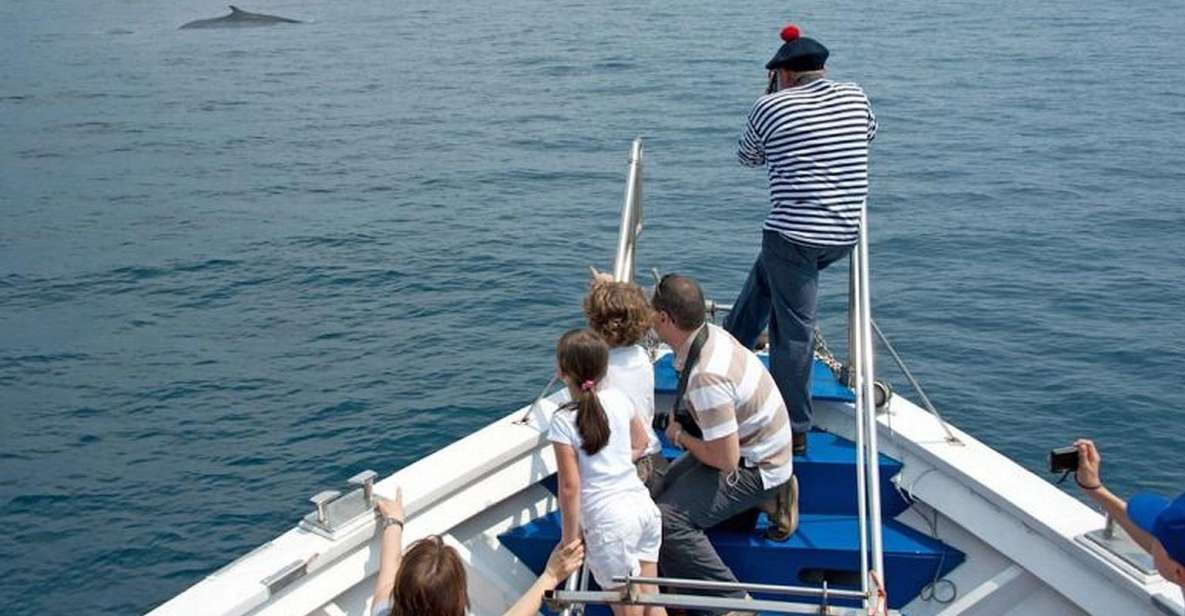
- Real guidance on spotting cetaceans: a marine biologist explains what to look for and how to act
- Serious biodiversity at the aquarium: 70+ exhibits and around 12,000 specimens across 600 species
- Flexible if the sea is quiet: if no cetaceans are spotted, your cruise ticket can be used for another sailing
- Family-friendly education: a format that works for both kids and adults who like nature
Aquarium of Genoa and Pelagos cruise: why this is a strong Genoa day
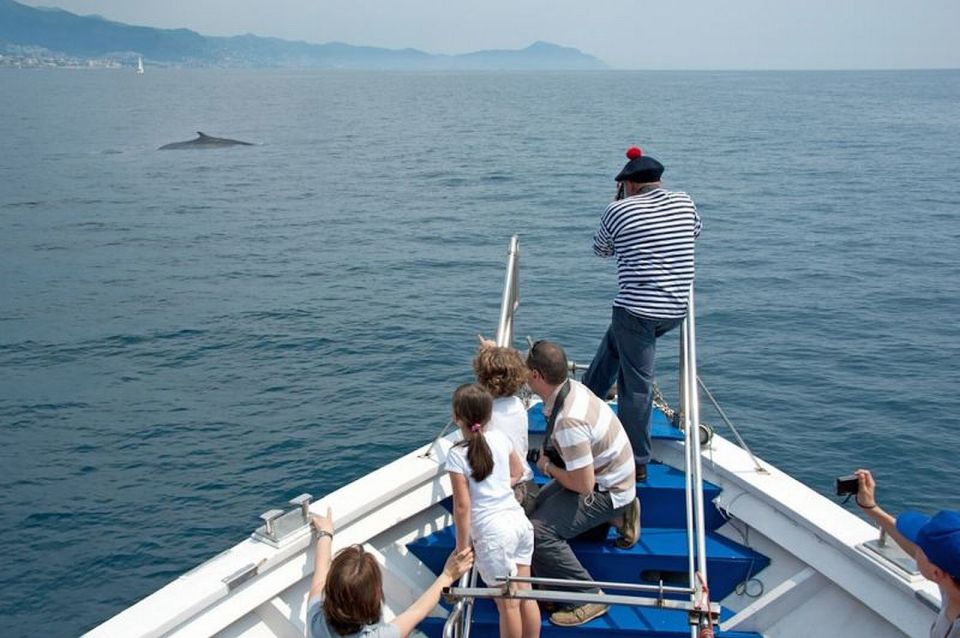
If you only have one day in Genoa, this is one of the easiest ways to get two very different kinds of ocean time. First you’re in climate-controlled exhibit halls with everything from tropical fish to sharks. Then you’re on open water, chasing the real thing with a guide who cares about how you watch.
What makes the pairing work is contrast. The aquarium gives you names, biology, and context for what you might see later at sea. The cruise turns that knowledge into an outdoor lesson, with the added bonus of being in one of Europe’s best-known places for studying marine mammals.
The other reason I like this plan: it’s designed for people who want education without feeling like homework. You’re learning behavior and species cues, but it’s still fun and visual—especially when dolphins show up close enough to make you sit up.
You can also read our reviews of more tours and experiences in Genoa.


Price and value: what $85 buys you (and what it doesn’t)
At about $85 per person, you’re paying for a full-day “sea day” that includes both the Aquarium of Genoa entry and the half-day whale-watching excursion. That’s the key value: you aren’t just buying one attraction and hoping the rest of the day works out.
The cruise is the biggest variable cost in any whale-watching setup: fuel, a trained guide, and time on the water. When the operator can run it, you’re getting a 4-hour outing plus marine biologist-led instruction. When it can’t run, you’re not stuck—your whale portion is addressed through refunds or a rescheduled option, depending on what happens.
What the price doesn’t control is ocean luck. You can do everything right and still have a day without whales. That said, the experience is built around learning how to spot cetaceans and how to observe responsibly, so even a quiet sea still has value.
Inside Acquario di Genova: 70 exhibits and 600 species you can name
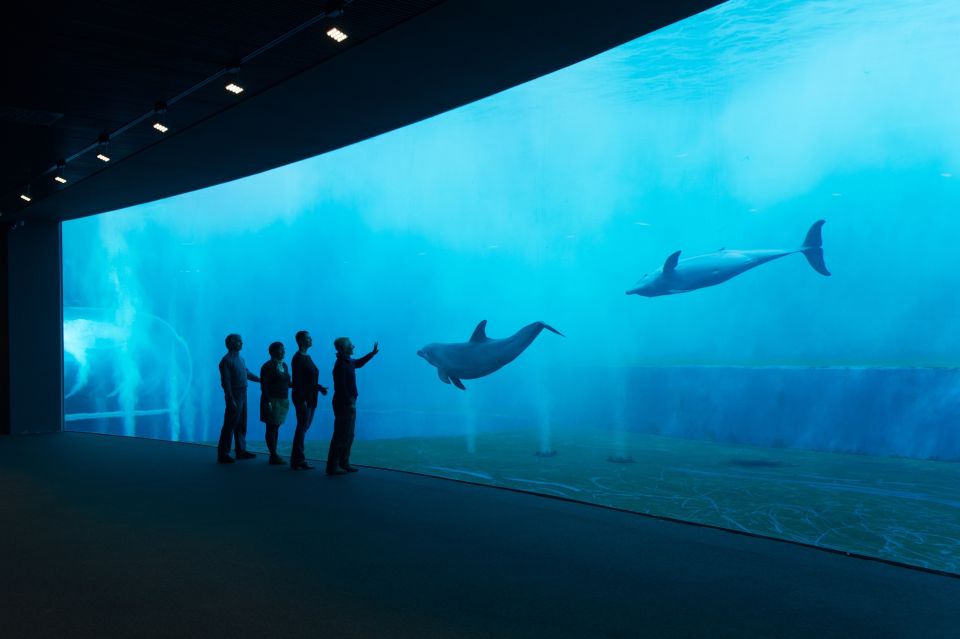
The aquarium portion is genuinely big, and that matters if you hate rushing. You’re looking at 70+ exhibits and around 12,000 specimens across roughly 600 species, covering sea life from around the world.
Here’s what I’d focus on when you walk in. Start by letting the aquarium set your “mental map.” When you later hear terms like marine mammal behavior or how dolphins travel, it lands faster because you already saw the animals and their adaptations up close.
Expect a mix of familiar stars and more surprising residents:
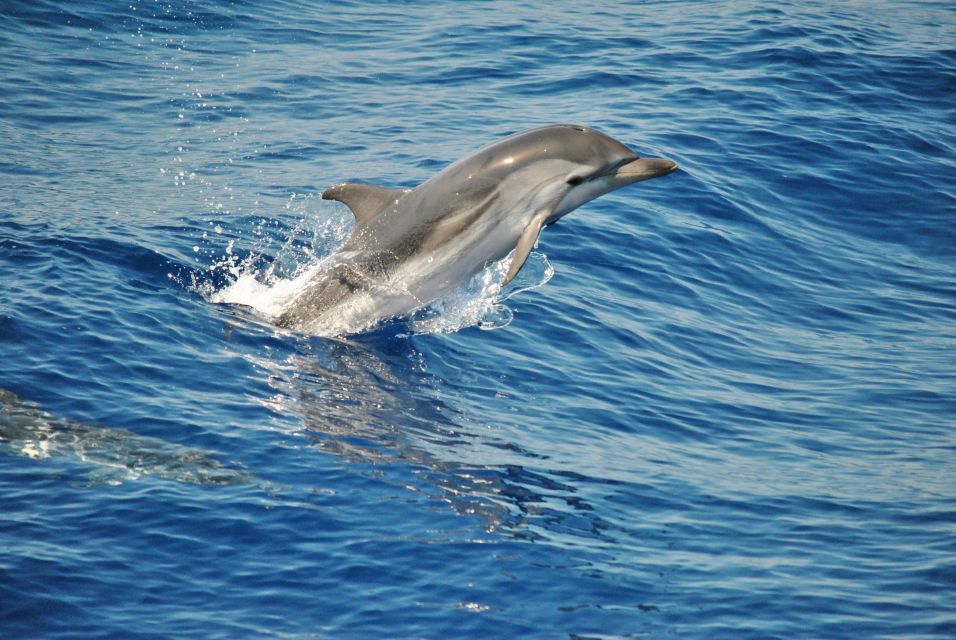
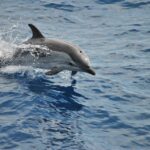
- Dolphins (the obvious crowd-pleaser)
- Sharks (the ocean’s top-end predators)
- Penguins (always a hit with kids)
- Manatees (rare and memorable; they’re even linked to the legend-of-mermaids story)
- Seals and jellyfish
- Multi-colored tropical fish and a lot of variety across habitats
The best part isn’t only seeing animals. It’s the way the aquarium helps you understand what you’re looking at, so you can connect exhibit facts to real-world observation later on the cruise.
The Pelagos Sanctuary cruise: a practical 4 hours on the water
The whale-watching part of the day runs for about 4 hours from when the boat heads out toward the horizon. That time on the clock feels long enough to matter, and short enough that it doesn’t ruin your entire day in Genoa.
The cruise departs from Genoa at the pier next to the Aquarium of Genoa, which is unusually convenient. It means you’re not coordinating buses or long transfers just to get onto the water. In practice, that makes your schedule easier, especially if you’re combining two ticketed parts on the same date.
A marine biologist guides the group and focuses on two things:
1) How to spot animals in the water
2) How to behave so you don’t disturb cetaceans
This is more useful than you might think. Whale watching can go from chaotic to calm depending on group behavior, and a guide who sets the tone makes the whole boat experience better.
The marine biologist lesson: how spotting works when you’re on a moving boat
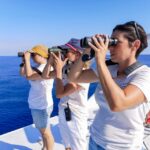
On a cruise, spotting is half science, half patience. The marine biologist helps you interpret what you’re seeing—things like where to look, what movements can mean, and how animal behavior affects visibility.
You’ll also get specific guidance on correct behavioral conduct for observing cetaceans without disturbing them. That includes following instructions on the boat and staying aware of how your actions can affect animals that are already doing their own thing.
And here’s the sneaky value: the guide doesn’t just point at wildlife. The guide teaches you why certain sightings are possible and what makes an observer effective. So if you return home and talk about the day, you’ll have real details, not just a photo of splashes.
If you’re with kids, this part tends to work well because it’s interactive and visual. You’re not stuck listening to lectures—you’re learning how to look and then applying it.



What happens when you do not see whales or dolphins
This is the question everyone asks, and it’s fair. The boat portion depends on suitable sea conditions, and the captain can cancel or delay departures if conditions make it unsafe or for other important reasons.
If you end up on a sailing where cetaceans aren’t sighted, your cruise ticket is valid for another cruise. Keep your ticket, then make a new booking for a different departure.
In real life, this is the kind of experience where one day can feel totally different from the next. So if you can be flexible with dates in March through November, you give yourself more chances for that first big cetacean moment.
Also note that this experience runs from March to November, so if you’re traveling outside those months, you’ll need a different plan.
Timing strategy: how to fit aquarium + cruise smoothly
Because your booking includes a whale-watching timeslot, it’s important to understand how the two parts connect. The timeslot you choose during booking is tied to the whale-watching ticket. Meanwhile, your Aquarium of Genoa entrance must be reserved separately after booking, and your ticket is valid only on the date you selected.
When you’re trying to make one day work, you’ll want to avoid the classic mistake: showing up for the aquarium too close to cruise check-in. The cruise requires you to reach the embarkation point at least 30 minutes before the scheduled departure time.
My practical approach: plan to see the aquarium at a relaxed pace first, then treat the cruise as the main event. That way, if the aquarium crowds you or you want extra time with your favorite exhibits, you still have a buffer before the boat.
If you’re the type who likes a checklist, a quick plan helps:
- Decide what you want to see most at the aquarium (dolphins, sharks, manatees)
- Leave time for a second circuit through anything you missed
- Keep the late part of your day calm and unhurried for the pier
What to bring: sunscreen, sight lines, and one small camera habit
You should pack like it’s a boat day in the Ligurian sun because it is. Bring sunglasses and a sun hat. Even if it’s comfortable in the city, sunlight on the water can be intense.
Bring your camera. On a cruise, cetaceans might appear quickly, so you’ll want to be ready rather than fiddling with settings. If you can, keep your camera accessible instead of buried deep in a bag.
Also, think about comfort. You’re on a boat for a while, and you’ll be looking out constantly. So wear something you can sit in for hours without feeling miserable.
English and Italian: language matters for the guide portion
The whale-watching experience includes live guidance in Italian and English. That’s a meaningful detail if you’re booking for kids, or if you want to understand the spotting tips clearly.
If you prefer to follow along closely, pick the language you’ll be most comfortable with when you confirm the tour details. Clear instructions make it easier to spot animals, and it makes the rules about respectful observation easier to follow.
Who this combo fits best (and who might want a different plan)
This is a great match for:
- Families who want one day of learning plus adventure
- Ocean lovers who like facts as much as photos
- People who enjoy guided experiences, especially when spotting wildlife is involved
- Travelers who are short on time in Genoa but still want a real nature moment
It may be less ideal if:
- You only care about whales and dolphins and don’t want any uncertainty
- You’re traveling in a period where sea conditions are more likely to cause delays or cancellations
That doesn’t make it bad. It just means you should go in knowing the main variable is nature, not the tour team.
Also remember: the aquarium portion is huge and full of species. Even when a sea day is quiet, you’ll still leave with a lot to talk about and plenty of animal context.
Should you book the Aquarium of Genoa and whale watching cruise?
I’d book it if you want a well-rounded marine day that includes both indoor learning and an outdoor chance to see cetaceans. The value is in the pairing: aquarium context improves your cruise experience, and the marine biologist makes your time on the water more than just looking for a lucky sighting.
If you’re sensitive to uncertainty, keep two things in mind. First, sightings are weather-dependent because tours run only under suitable sea conditions. Second, if you don’t see cetaceans on your cruise, you still have an option to use your ticket again—so you’re not totally left with a photo roll full of empty waves.
For most travelers, this is a smart one-day plan: easy departure from the aquarium area, strong variety of sea life on land, and a guide-led cruise that teaches you how to observe responsibly.
FAQ
What is included in the ticket price?
The package includes entrance to the Aquarium of Genoa, plus a ticket for the half-day whale-watching excursion. It also includes an option to become a donor in support of the Aquarium of Genoa Foundation during booking.
How long is the whale-watching cruise?
The excursion lasts about 4 hours from when the boat heads out toward the horizon.
Where does the whale-watching cruise depart from?
It departs from Genoa at the pier next to the Aquarium of Genoa.
Do I need to reserve the Aquarium of Genoa separately?
Yes. Your whale-watching booking is handled first, but you must reserve your Aquarium of Genoa entrance separately after booking.
Is the whale-watching tour available year-round?
No. It runs from March to November.
Will I definitely see whales or dolphins?
Sightings depend on conditions and the captain’s operations. The tour is subject to suitable sea conditions, and cetaceans are not guaranteed.
What happens if there are no cetacean sightings on my cruise?
If there is no sighting of whales or other cetaceans during your cruise, your ticket is valid for another cruise. Keep your ticket and book a new departure.
What language is the live guide?
The whale-watching experience includes a live marine biologist guide in Italian and English.
What should I bring for the cruise and aquarium?
Bring sunglasses and a sun hat. A camera is also recommended so you’re ready for sightings.
Can I cancel and get a refund?
Yes. There is free cancellation up to 2 days in advance for a full refund.