REVIEW · GENOA
Genoa: The City of Children and Young Museum Entry Ticket
Book on GetYourGuide →Operated by C-WAY Srl Unipersonale · Bookable on GetYourGuide
Five senses, one ticket, real wow moments. The City of Children and Young Museum is built for hands-on play, with interactive displays that get you seeing, hearing, smelling, tasting, and touching as you move room to room. I love how much you can do in just 1.5 hours, and how the museum turns into a photo set with props like a 3D nose and playful lollipop scenes.
One thing to weigh: the museum can feel small for the price, and kids may finish faster than you expect—especially if you’re not stopping for extra rounds or workshops.
If you’re already in Genoa for the Aquarium, this is an easy add-on in the same building, on the ground-floor entry area where you show your ticket and walk right in.
In This Review
- Key highlights at a glance
- A Genoa sensory museum built for play, not just looking
- Where the ticket check happens (and why it’s handy)
- Plan your 90-minute visit: how to cover the five rooms
- Room-by-room sensory highlights: smell, taste, sound, touch, and illusions
- Seeing: optical illusions and bright color impact
- Hearing: sound waves you can interact with
- Smelling and tasting: the senses you don’t normally get
- Touch: reflections, mirrors, and hands-on texture moments
- The museum’s best photo stops: 3D nose and lollipop scenes
- The hearing workshop: why you should time it right
- The construction zone: fun for some ages, not perfect for all
- Price and value: does $14 work for 90 minutes?
- Who should book this in Genoa (and who might skip it)
- What to bring so your visit feels easy
- Quick FAQ for planning your Genoa visit
- FAQ
- How long does the City of Children and Young Museum take?
- Where do I enter and show my ticket?
- Is this museum in the same place as the Genoa Aquarium?
- Can I visit the rooms in any order?
- Is there a hearing workshop?
- What should I bring?
- How much is the ticket?
- Is the museum wheelchair accessible?
- Are pets allowed inside?
- What’s the cancellation policy?
- Should you book the City of Children and Young Museum?
Key highlights at a glance
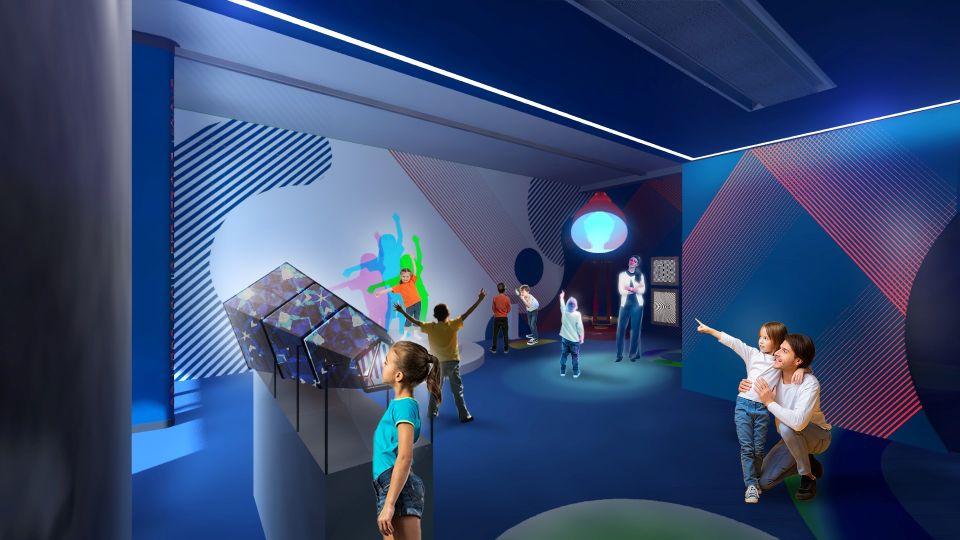
- Five-sense themed rooms you can visit in any route you like
- Optical illusions with bright, high-impact visuals for all ages
- Hands-on sound, mirror, and reflection play built into the exhibits
- Smell-and-taste experiences that make this feel more like a lab than a gallery
- Big photo energy thanks to props like the 3D nose and lollipop displays
- Family-friendly workshops, including a hearing lab that runs on a schedule
A Genoa sensory museum built for play, not just looking
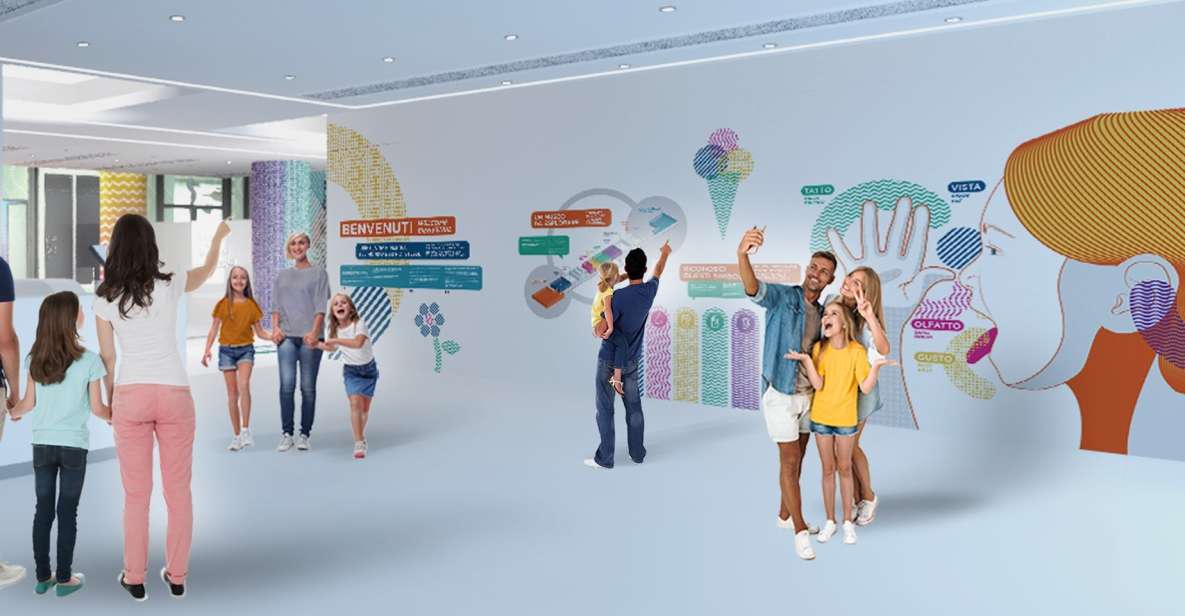
This isn’t a “read about art” kind of museum. It’s a “do something with your senses” kind of place. The setup is designed so you don’t just watch clever tech—you respond to it. You walk through rooms that invite you to test reactions, make discoveries, and get your hands involved.
That matters for families because kids don’t need a long attention span here. The museum’s flow is interactive enough to keep energy up, even when patience runs thin elsewhere in a city. And even if your group has mixed ages, the activities are easy to join on the spot: press, listen, smell, touch, try again.
I also like the way it works as a low-stress indoor plan. Genoa’s weather can change fast, so it’s comforting to have a compact activity that still feels like an event.
You can also read our reviews of more tours and experiences in Genoa.


Where the ticket check happens (and why it’s handy)
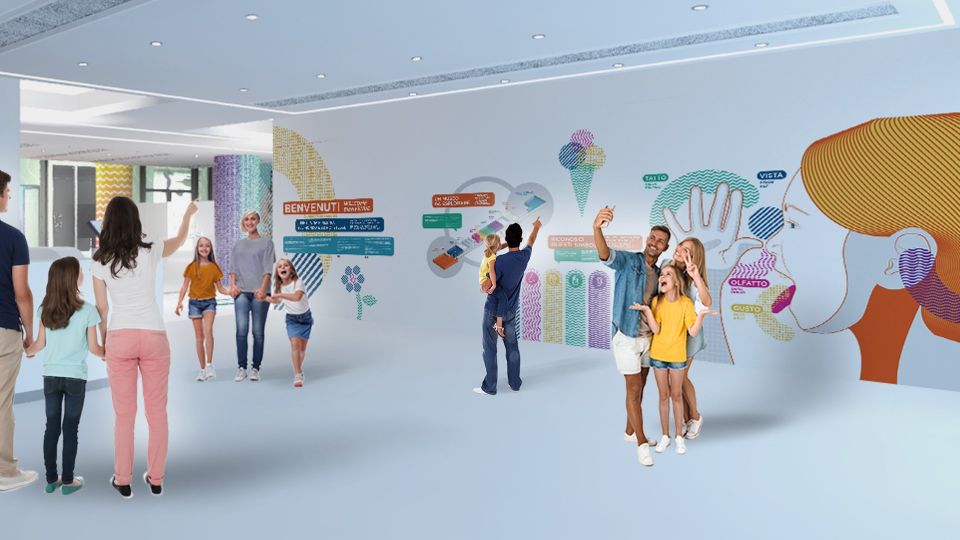
The City of Children and Young Museum sits in the same building as the Aquarium of Genoa. Your entry point is the ground floor: you go to the museum entrance, show your ticket right on arrival, and you’re in.
This location is practical. It means you can stack plans without wasting time on transit. If you’re doing the Aquarium, you can treat the museum as either a warm-up (before you get tired) or a calmer indoor follow-up (after you’ve seen the big tanks).
Also, you’ll want to go in wearing shoes you don’t mind getting a workout. The experience is mostly active walking and hands-on stops, not sitting and admiring.
Plan your 90-minute visit: how to cover the five rooms
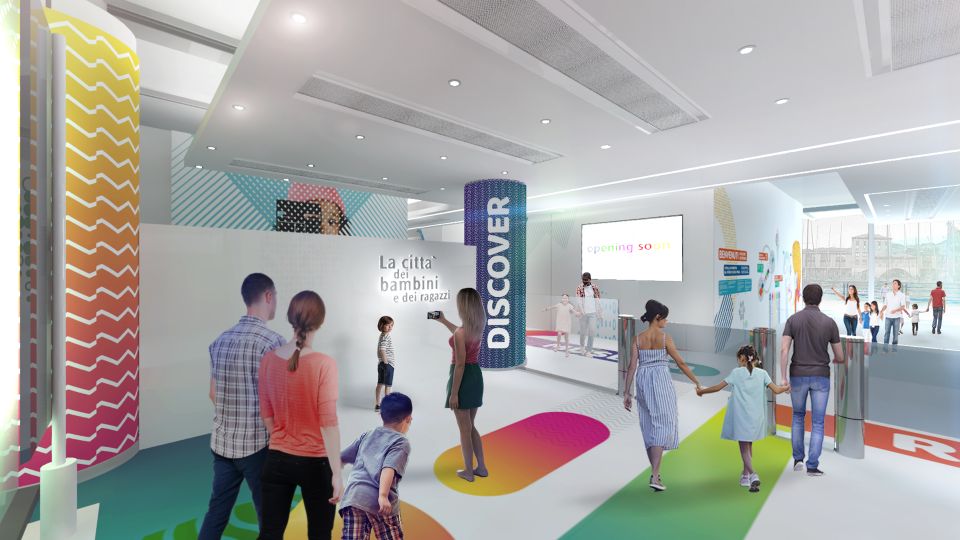
The ticket is for about 1.5 hours, so your best strategy is to move with intention. The museum lets you visit all five interactive themed rooms in any route you like, which is great because it adapts to your family’s mood. If your kids want to start with the loudest or silliest rooms, you can.
Here’s how I’d approach timing:
- Start with the workshop-heavy areas first if a lab session fits your schedule (more on that below).
- Then do the sensory rooms while your group has the most energy.
- Leave a little buffer at the end for re-doing favorites and grabbing photos.
One practical tip: because the visit can move quickly, don’t schedule a long meal right after unless you’re nearby. It’s better to build in a short stop afterward—gelato, water, or a rest—so you don’t feel rushed.
Room-by-room sensory highlights: smell, taste, sound, touch, and illusions
The core idea is that each part pushes a different sense. As you move through, you’re set up to do small experiments that feel more like play than instruction.
Seeing: optical illusions and bright color impact
Expect kaleidoscope-like optical illusions—the kind that make you stop, stare, and try to “beat” the effect. The visuals are colorful and designed to trigger that instant reaction: wait, what just happened?
You don’t need art-history context. The museum’s visual tricks do the teaching. If you like quick challenges, this is where the adults often get hooked too, because you can test what your eyes think they see versus what’s actually happening.






Hearing: sound waves you can interact with
One of the most fun components is the chance to listen to sound waves and interact with audio-related displays. There’s also a dedicated hearing workshop that runs on a schedule (you’ll want to check when it starts once you’re inside).
This part tends to land best with kids who enjoy making noise, repeating sounds, or experimenting with cause and effect. Even if you don’t speak much Italian, the structure is usually clear enough to follow.
Smelling and tasting: the senses you don’t normally get
This museum leans hard into smell and taste, and that’s one reason it feels different from typical “interactive digital screens” attractions. You may be guided to explore scent experiences and taste-related activities (including learning about taste buds) in a way that feels playful rather than clinical.
It’s also the area where you’ll likely notice the most variation in comfort level between families. If your group loves sensory challenges, you’ll probably have a blast. If you’d rather keep things mild, you can still enjoy the rest of the exhibits without feeling forced into everything.
Touch: reflections, mirrors, and hands-on texture moments
For touch, the museum uses displays that reward physical interaction. You’ll see examples of reflections and mirrors plus interactive areas meant to be handled or tested.
This is where the “do it yourself” approach shines. Kids can’t help but reach out, and adults end up doing it too just to see what changes when you move. It’s simple, low-tech fun with a strong cause-and-effect payoff.
The museum’s best photo stops: 3D nose and lollipop scenes
Even if you don’t care about social media, this museum is photogenic in a useful way: the displays are made for posing.
Two standout spots you should plan for:
- The 3D nose, where you can do close-up shots that look like you’re interacting with something oversized
- The lollipop displays, which give you bright, playful color that pops in photos
If you want the best pictures, don’t rush. Take a moment to let your kids get comfortable with the space, then do a quick photo round. The mirror-style rooms and reflection areas can also create fun effects if you experiment with angles.
And yes, the photo stops are part of the experience here, not just an afterthought. They help break up the sensory learning, and they make the museum feel more like an event.
The hearing workshop: why you should time it right
There’s a laboratory on hearing that’s interactive and designed to help kids learn ideas through play. A key detail that really helps: the museum announces the start of these workshops regularly, which makes it easier for you to plan without guessing.
My advice: when you first arrive, look for any posted times or staff cues, then decide whether to build your route around the workshop. If your kids are the type who get excited by structured activities, catching the hearing lab can be one of the best parts of the whole visit.
If you miss it, don’t panic. The rest of the rooms still work as standalone fun. But if you’re aiming for maximum value from a short 1.5-hour window, timing the lab is smart.
The construction zone: fun for some ages, not perfect for all
In addition to the sensory and digital areas, there’s a construction area (a building zone) that adds a more traditional play element.
Here’s the age reality check: if you’re visiting with children around primary-school age, your kids may still enjoy it, but the activity can feel more geared toward younger children. In other words, it’s a nice change of pace, just not guaranteed to be the main event for older kids.
If your group includes mixed ages, let the younger kids lead in the construction zone while the older ones try the sensory challenges. That way everyone stays engaged.
Price and value: does $14 work for 90 minutes?
Let’s talk money, because $14 per person isn’t pocket change for a short visit.
What you’re paying for is not just “entry to a room.” You’re paying for:
- A curated bundle of sense-based interactions (smell, taste, sound, touch, and visual illusions)
- A family-friendly flow that doesn’t demand long patience
- Photo-ready areas that make the experience feel like something you’ll remember
Now the trade-off: the museum can feel small. If your visit is truly just the quick loop—and you don’t stop for repeat tries or any workshop time—your 1.5 hours may feel like a lot less than the ticket price suggests.
So the value question comes down to your group:
- If you’re with young kids who love hands-on play, $14 often feels fair because the exhibits are built for their way of learning.
- If you’re older or you’ve already seen several “museum of the senses” type attractions elsewhere, you might compare it and feel underwhelmed.
My practical recommendation: treat this as a quick family stop, not a full-day cultural commitment.
Who should book this in Genoa (and who might skip it)
This museum fits best when your group wants interactive fun and doesn’t need quiet galleries.
You’ll likely love it if:
- You’re traveling with children who like doing things, not just looking
- You want a strong indoor activity that works as part of a Genoa Aquarium day
- Your group enjoys sensory games, sound experiments, and optical tricks
You might want to think twice if:
- Your group is mostly teenagers or adults who prefer conventional museums
- You’re expecting a big, multi-hour museum experience with lots of separate attractions
- You don’t want to spend time finding the best photo spots and repeating favorite exhibits
It’s also worth noting a simple rule: pets aren’t allowed, so plan for that if you’re traveling with an animal.
What to bring so your visit feels easy
Keep it simple and functional:
- Comfortable shoes (you’ll be moving)
- Water (especially if you’re doing it on a warm day)
- Comfortable clothes for hands-on areas and active play
If you’re sensitive to sensory experiences, it can help to decide in advance how you want to handle smell-and-taste activities. You can always focus on the other rooms if that part isn’t for your family.
Quick FAQ for planning your Genoa visit
FAQ
How long does the City of Children and Young Museum take?
The ticket is designed for about 1.5 hours.
Where do I enter and show my ticket?
You enter on the ground floor of the museum building and show your ticket on arrival.
Is this museum in the same place as the Genoa Aquarium?
Yes. The museum is in the same building as the Aquarium of Genoa.
Can I visit the rooms in any order?
Yes. You can visit all five interactive themed rooms on any route you like.
Is there a hearing workshop?
Yes, there is a hearing-related laboratory that runs as an interactive workshop, and its start times are announced regularly.
What should I bring?
Bring comfortable shoes, water, and comfortable clothes.
How much is the ticket?
The price is listed as $14 per person.
Is the museum wheelchair accessible?
Yes, it is wheelchair accessible.
Are pets allowed inside?
No, pets are not allowed.
What’s the cancellation policy?
You can cancel up to 24 hours in advance for a full refund.
Should you book the City of Children and Young Museum?
If you’re traveling with kids and you want a short, high-energy indoor activity in Genoa, I’d book it. The value comes from the sensory concept—smell, taste, sound, touch, and optical illusions—plus the fact that you can do it in about 90 minutes without the museum feeling like a chore.
If your group includes older kids or you’re the type who likes bigger cultural museums, you might treat it as an early stop or a photo-and-play break rather than the main event. Either way, go in with realistic timing, comfortable shoes, and an open mind.