REVIEW · VERONA
Guided Food Tour with Wine Tasting in Verona
Book on GetYourGuide →Operated by Slow Travel · Bookable on GetYourGuide
Verona smells like food and history—at the same time. This guided food tour with wine tasting strings together old-school bites, two glasses of local wine, and city-center landmarks in a simple, easy stroll. I love how the tastings feel intentional (you’re not just grabbing snacks), and I really like that the guide turns the walk into quick, practical context about what you’re eating and seeing. One thing to plan around: it’s not built for gluten and lactose allergies, and you’ll be on your feet for the full 2 hours.
In This Review
- Key reasons this Verona tour works
- Verona’s best kind of night plan: eat first, then look around
- Where the tour starts: Redoro near the Arena
- The tasting rhythm: 9 stops that keep you moving and satisfied
- Olive oil and classic Veronese ingredients
- Old-school chocolate and “real” sweets
- Cheese lovers’ moment: Monte Veronese
- Ham and salumi, including soppressa
- Sightseeing that doesn’t slow you down: Arena to Porta Borsari
- The wine tasting near the Arena: Valpolicella (and rosé as an option)
- The final sweet stop at Flego Pasticceria: pandoro or risini
- What you actually learn from a Verona-born guide
- Price and value: $80 for tastings plus wine plus a focused walk
- Who this tour suits best
- Small-group feel: why up to 10 people matters
- Practical tips before you go (so you enjoy it more)
- Should you book this Verona food and wine tour?
- FAQ
- How long is the Guided Food Tour with Wine Tasting in Verona?
- How many food tastings are included?
- How many glasses of wine do you get?
- Where does the tour start?
- Is it suitable for vegetarians?
- Can the tour accommodate gluten and lactose allergies?
- Is the tour wheelchair accessible?
- What should I wear or bring?
Key reasons this Verona tour works
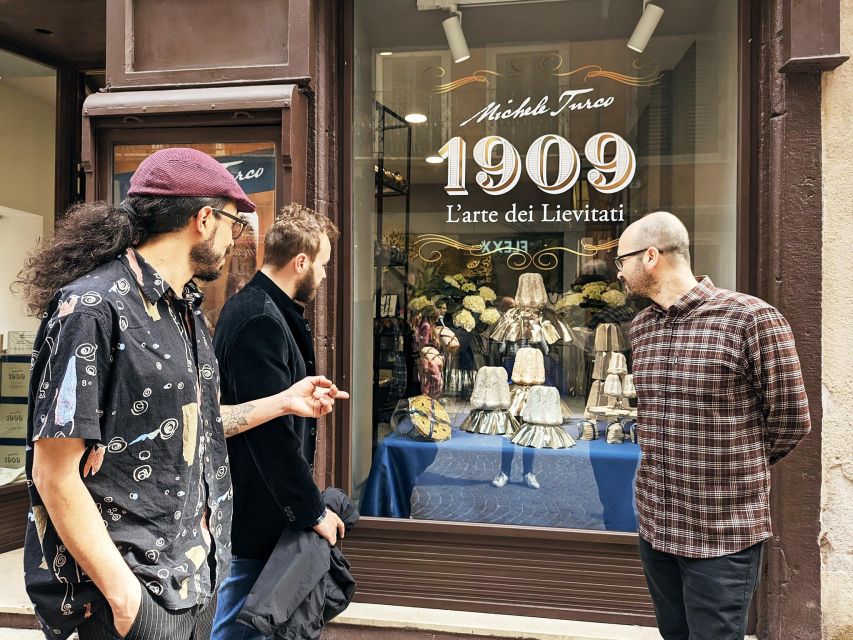
- 9 tastings in 2 hours: olive oil bruschetta, chocolates, cheese like Monte Veronese, local cured meats, and a sweet finale
- Two iconic wine glasses: Valpolicella (or rosé from Lake Garda if you prefer) plus water and classic wine snacks
- A local guide who ties food to place: expect fast, clear stories about Verona’s streets and landmarks as you walk
- Small group (up to 10): it stays friendly enough to ask questions while you’re eating
- Medieval-to-Roman sightlines: you pass major landmarks such as the Arena and Porta Borsari, without the museum hassle
Verona’s best kind of night plan: eat first, then look around
This tour is built for people who like their sightseeing with something in hand. You start near the Arena, then you spend the next couple of hours moving through Verona’s historic center at a comfortable walking pace, stopping often enough to taste, not just look. The structure matters here: the tastings come in a sequence that makes sense—salty and savory first, then sweets at the end—so you don’t feel like you’re bouncing between unrelated places.
You also get a “food-first” way to understand Verona. Instead of treating the city like a checklist of monuments, the guide connects what’s on your plate with the region around you—especially in the wine, the cured meats, and the sweets.
You can also read our reviews of more tours and experiences in Verona.
Where the tour starts: Redoro near the Arena
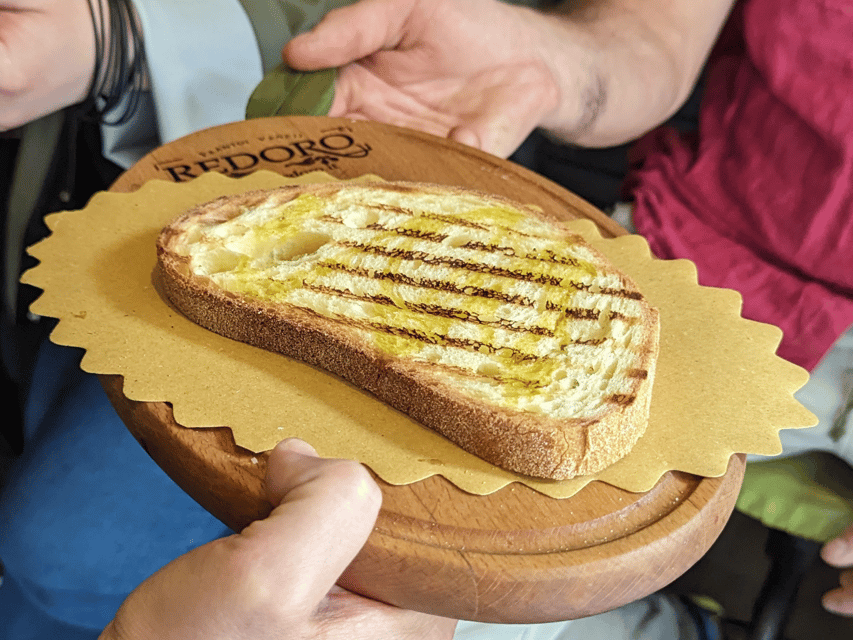
Meeting point is Redoro bruschetteria, about a minute walk from the Arena of Verona. It’s a smart start location because you’re already in the heart of the old city. You’re not wasting time crossing half the map before the first bite.
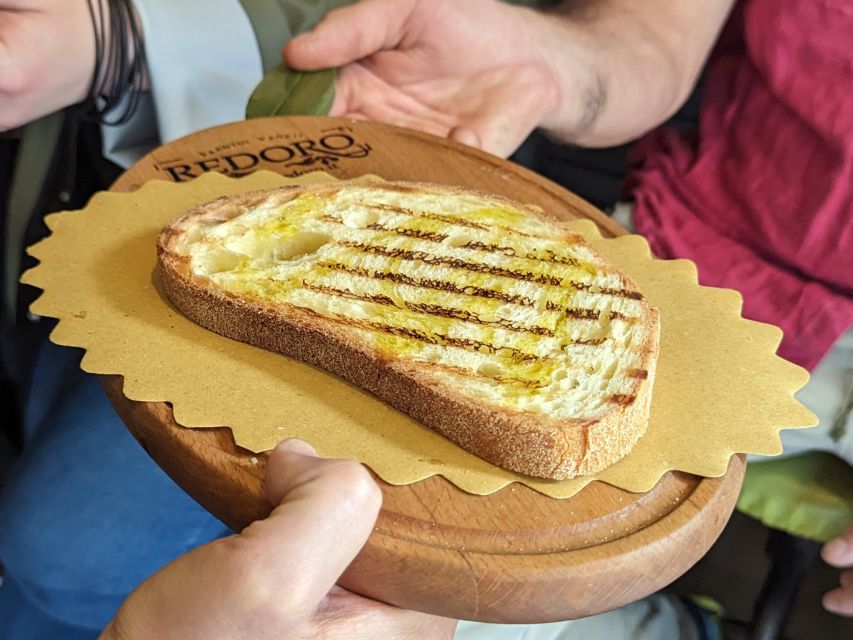
At the first stop, expect the tour’s first major taste theme: olive oil. You’ll sample extra-virgin olive oil (including the story of where it comes from), along with a bruschetta made with this liquid-gold oil and raw olives. If you’ve never compared good olive oil in a real tasting moment, this is a great opener—it makes the rest of the meal make more sense, since olive oil is a foundation ingredient in northern Italian cooking.
The tasting rhythm: 9 stops that keep you moving and satisfied
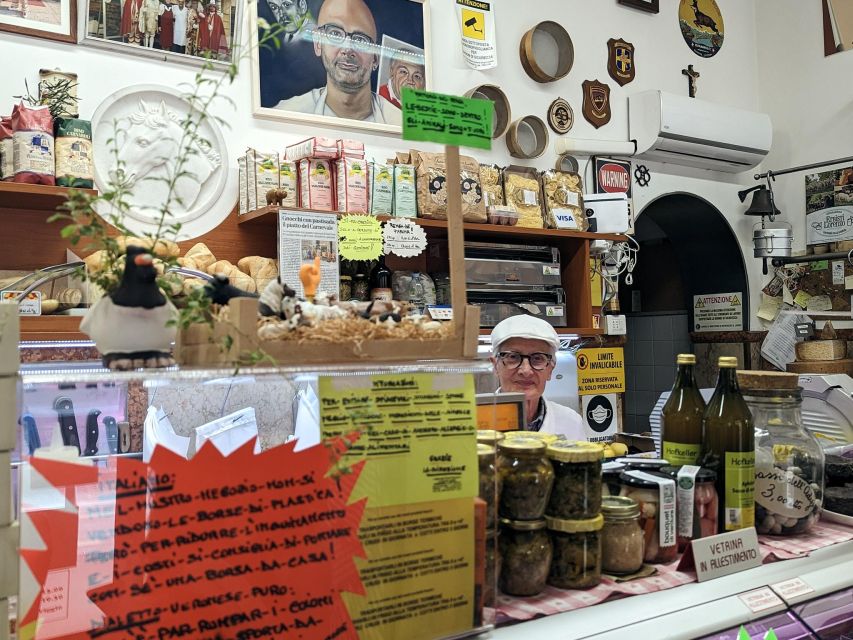
The full experience is about 2 hours of walking plus 9 tastings. That sounds like a lot in a short time, but the key is that portions are designed for tasting rather than full meals. Still, the tour is filling. Several guides and guests have noted how quickly it adds up, especially if you show up hungry—or skip breakfast the way locals would.
Here’s how the food themes show up across the walk:
Olive oil and classic Veronese ingredients
You’ll begin with olive oil and bruschetta, then keep the regional feel going with more traditional items. The goal isn’t to overwhelm you with labels; it’s to show you what Verona locals actually reach for.
Old-school chocolate and “real” sweets
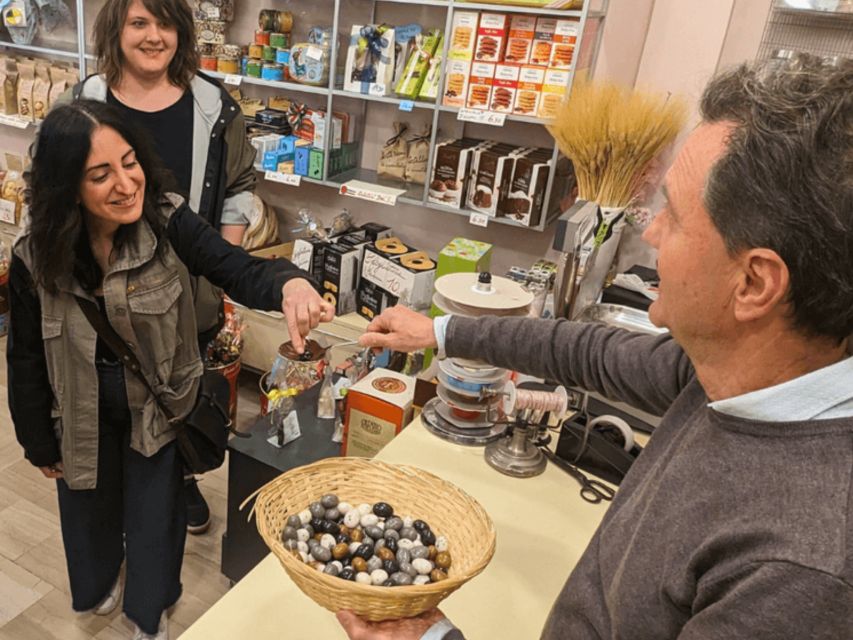
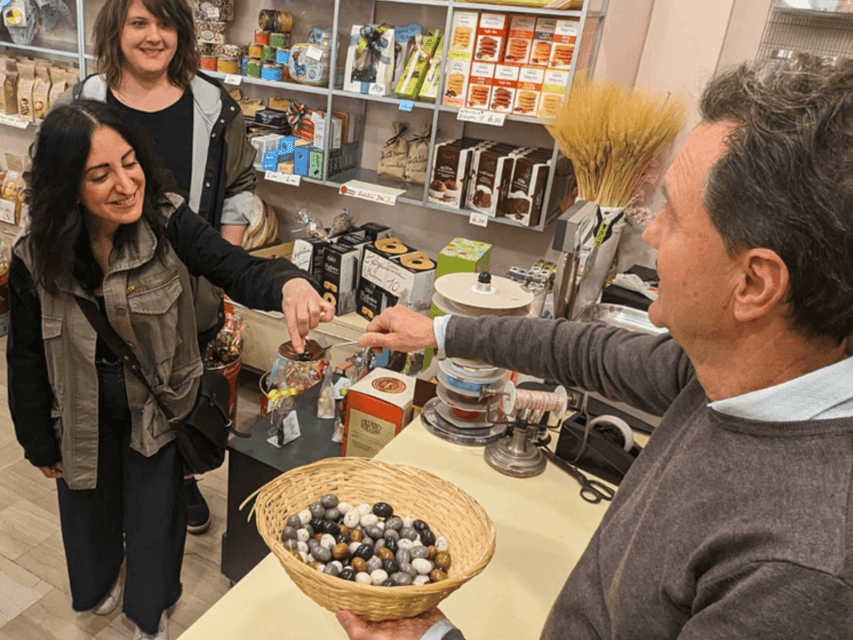
At the confetteria stop (a traditional candy shop), you’ll sample old-fashioned chocolates and learn how this sort of shop culture worked in earlier decades. This is one of the fun parts of the tour because it gives you a sense of continuity—Verona’s sweets weren’t built for social media; they were built for everyday enjoyment and gifting.
Cheese lovers’ moment: Monte Veronese
A dedicated cheese tasting includes Monte Veronese, a semi-hard cheese made in the local hills with a distinctive flavor. Even if you don’t know your way around Italian cheese, this is approachable: you get enough context to recognize what makes it regional, not just “a cheese course.”
Ham and salumi, including soppressa
If you like cured meats, this tour is built for you. You’ll sample local ham options, including soppressa (a typical salami-style choice in the region) plus another niche charcuterie selection. The ham stop matters because it teaches you how Veronese food isn’t only about wine and pasta—it’s also about preservation, technique, and flavor that’s meant to stand on its own.
Sightseeing that doesn’t slow you down: Arena to Porta Borsari
You don’t need to choose between city sights and eating well here. The walk includes short “look up and notice it” moments at major landmarks:
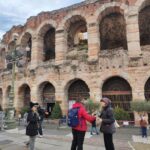
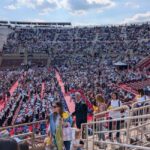
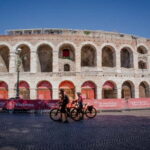
- Verona Arena: you get a quick stop just to take in the scale of the amphitheater area
- Castelvecchio Bridge: a short viewpoint that helps you understand where the medieval city overlaps the older core
- Porta Borsari: an important Roman-era gate stop, ideal for a photo and a few lines of context
- Piazza Erbe: a longer stop where you can slow down and absorb the space
Two hours sounds tight for both food and monuments, but the tour keeps the pacing realistic: you’re not stuck in one spot for long, and you’re not rushing through tastings just to check a box.
The wine tasting near the Arena: Valpolicella (and rosé as an option)
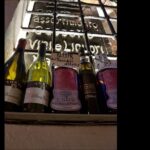
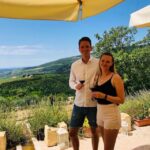
This is the part most people remember. In a tasting room near the Arena, you’ll sip two iconic wines. The standard lineup is based on Valpolicella, and you can choose rosé from Lake Garda if you prefer something lighter.
You’ll also get water and taralli, the classic crunchy Italian snack that works perfectly with wine. Taralli can sound like a side detail, but it helps your palate—especially after cheese and cured meats—because it gives you something neutral and snackable in between sips.
I like this setup because it teaches you how to taste without pretending you’re a sommelier. You’re not asked to memorize tasting notes. You’re guided through what makes the wines distinctly local, which is exactly what helps you order the right bottle later.
The final sweet stop at Flego Pasticceria: pandoro or risini
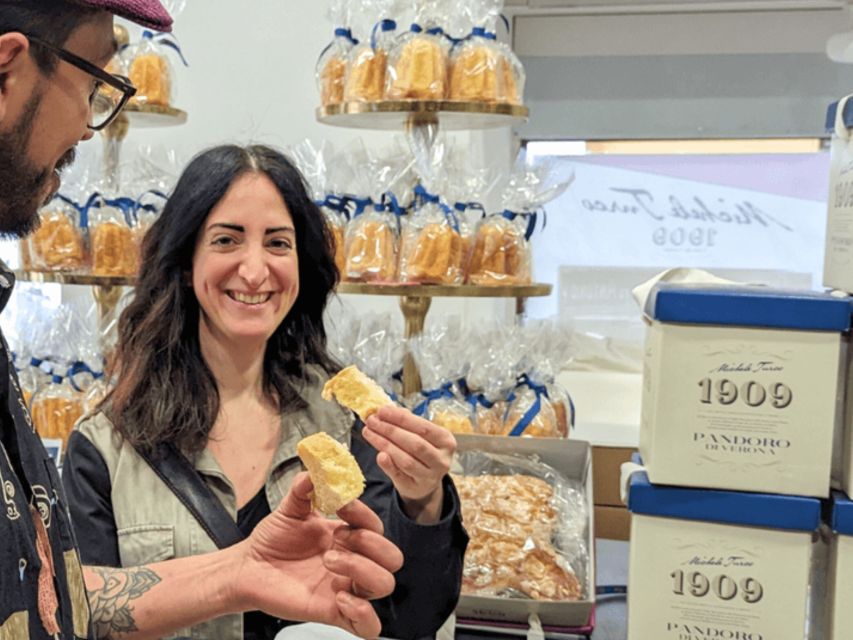
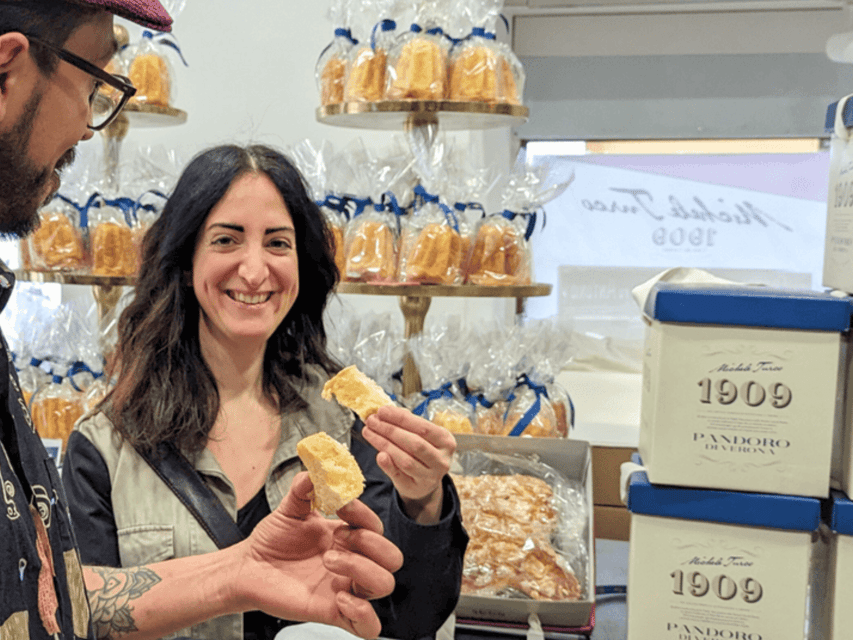
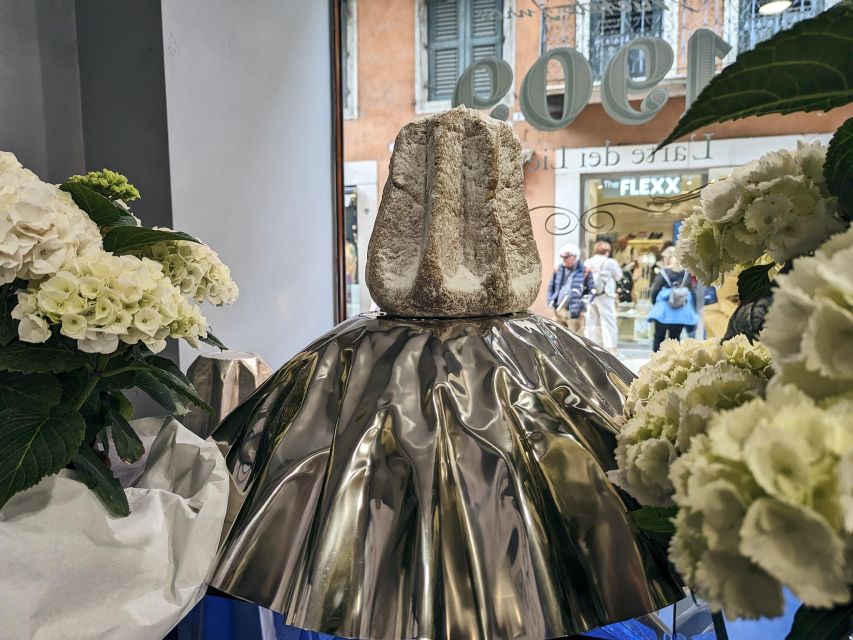
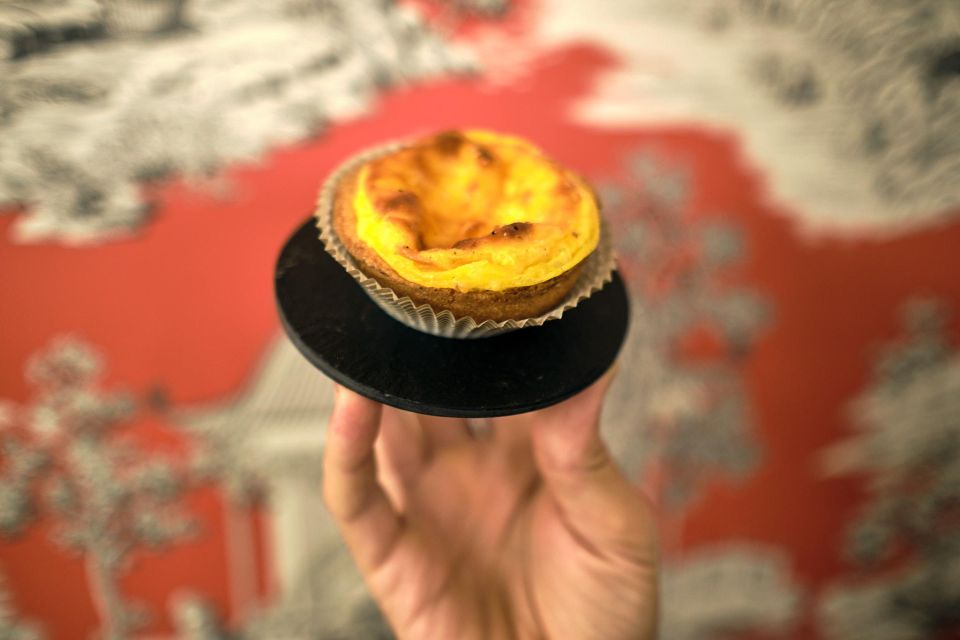
The tour finishes at Flego Pasticceria. This is where Verona’s dessert identity really shows. You’ll have a choice tied to what’s available for tasting, including pandoro (Verona’s famous cake) or risini, a pastry made using rice from the fields south of Verona.
This ending works for two reasons:
- You’ve already covered savory tastes, so the sweetness doesn’t feel random.
- It gives you something concrete to bring home, since sweets like pandoro travel well and are easy gifts.
What you actually learn from a Verona-born guide
One of the strongest parts of the experience is the guide. Multiple local names come up on past departures—Leonardo, Giovanni, Miriam, Christina, Marianne, and Leo—and the common thread is how they tie the city’s food to its place.
In practice, that means you’ll hear quick stories that help you notice details as you walk: why certain spots matter, what’s typical versus what’s trendy, and how the regional produce connects to everyday meals. You’ll also pick up practical ideas for eating after the tour, since many guides share recommendations for bars and restaurants when you ask.
If you’re visiting Verona for the first time, this kind of “fast local context” can make the rest of your trip feel easier.
Price and value: $80 for tastings plus wine plus a focused walk
At $80 per person for 2 hours, you’re paying for more than a stroll. You’re paying for:
- 9 distinct tastings (not just one snack stop)
- 2 glasses of wine, with water and snack pairings
- a guide who connects the food to Verona’s landmarks
Is it a steal? Not exactly. But it’s fair value for what you’re getting: you’re buying a curated sequence of regional foods and wine, plus the benefit of having someone translate the city while you eat. If you were to try this on your own, you’d likely spend a similar amount just on tasting portions and wine—and you’d still miss the “why” behind what you’re tasting.
Who this tour suits best
This is a great fit if you want:
- A first taste of Verona without committing to a full dinner
- regional food and wine, especially if you enjoy cheese and cured meats
- a manageable walking experience (comfortable shoes recommended)
It’s less ideal if:
- you need gluten and lactose accommodations (not provided)
- you’re avoiding the walking style; it’s not designed for pregnant women
Vegetarians are welcome, but since the tour includes cheese and cured meats, you’ll want to check how tastings are handled for your needs.
Small-group feel: why up to 10 people matters
The group limit of 10 changes the vibe. With fewer people, the guide can move faster without losing you, and you’re more likely to get answers to questions about what you’re tasting and what to do next in the city.
There’s also a practical side: tastings work best when people aren’t packed shoulder-to-shoulder. This tour is designed so you can actually taste, talk, and keep walking without feeling trapped in a queue.
Practical tips before you go (so you enjoy it more)
A few things will make your 2 hours smoother:
- Wear comfortable shoes. You’re walking Verona’s center and it adds up.
- If you’re visiting in hot weather, consider bringing water. Water is provided, and wine tasting includes water, but the pace between stops can be quick.
- Eat lightly beforehand. Even though these are tastings, the total amount of food can add up fast.
- If you’re sensitive to gluten or lactose, don’t assume substitutions. The tour can’t cater for those allergies.
Should you book this Verona food and wine tour?
I’d book it if you want a practical way to experience Verona’s food culture in a short time, with 9 tastings and 2 glasses of Valpolicella-style wine in a guided, not-rushed walk. It’s especially worth it for first-timers who want both landmarks and bite-sized local context without paying museum entrance fees.
Skip it if you need gluten or lactose-friendly options, or if you’re looking for a more relaxed, sit-down dining experience. But for most visitors who like to eat as they sightsee, this is one of the most efficient ways to understand Verona quickly—and leave with a real taste of the region.
FAQ
How long is the Guided Food Tour with Wine Tasting in Verona?
It lasts 2 hours and includes a 2-hour walking tour.
How many food tastings are included?
The tour includes 9 different food tastings.
How many glasses of wine do you get?
You get 2 glasses of wine.
Where does the tour start?
You meet in front of Redoro bruschetteria, which is about a 1-minute walk from the Arena of Verona.
Is it suitable for vegetarians?
Yes, vegetarians are welcome.
Can the tour accommodate gluten and lactose allergies?
No. The tour cannot cater for gluten and lactose allergies.
Is the tour wheelchair accessible?
Yes, the tour is listed as wheelchair accessible.
What should I wear or bring?
Wear comfortable shoes and comfortable clothes.