REVIEW · ROME
Rome: Leonardo da Vinci Exhibition Entrance Ticket
Book on GetYourGuide →Operated by Mostra di Leonardo da Vinci · Bookable on GetYourGuide
Leonardo’s sketches become working machines. I love the hands-on feel here, with large full-scale models built from da Vinci’s thinking, and I also really enjoyed the 3D holograms that make his ideas feel alive. One watch-out: the space is interactive and includes some areas with trip hazards and clear touch limits, so it needs a bit of attention if you’re bringing very small kids.
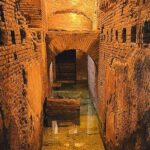
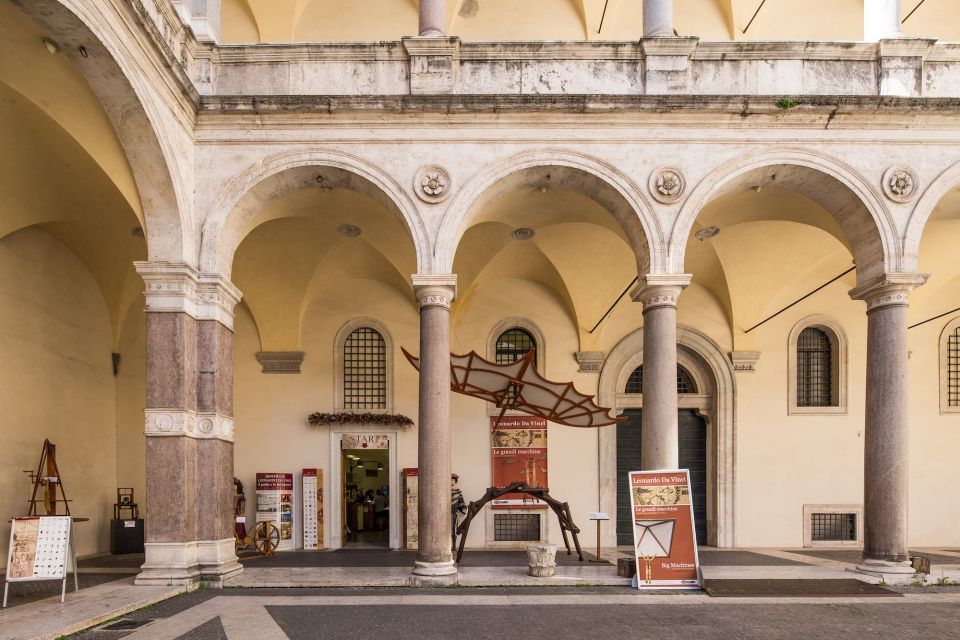
The Palazzo della Cancelleria setting adds character to the visit, and inside you get stops like a tomb dating to 43 BC in an underground natural pond. You’ll also receive a gadget for self-guiding, and the audio support is genuinely helpful—just note there’s no included live guide with the ticket.
In This Review
- Key points I’d circle before you go
- A hands-on Leonardo ticket in Rome that actually feels different
- Where Palazzo della Cancelleria puts you in the middle of Rome
- What you’ll actually see: four themed sections of da Vinci science
- Water: ideas for motion, flow, and mechanics
- Air: a bridge from observation to flight thinking
- Fire: experiments, instruments, and controlled power
- Earth: structures, materials, and building logic
- The wow factor: full-scale machines and 3D holograms
- One extra art surprise
- Hands-on installations tied to his drawings
- The underground tomb stop: 43 BC in an underground natural pond
- Do you need the headphone/audio gadget?
- Timing, value, and how long you’ll need
- Who this is best for (and who should think twice)
- Practical tips to make your visit smoother
- Should you book this Leonardo da Vinci exhibition ticket?
- FAQ
- Where is the Leonardo da Vinci exhibition located?
- How much does the entrance ticket cost?
- How long should I plan to spend inside?
- Is a guide included with the ticket?
- What’s included with the ticket?
- Are there holograms?
- Does the exhibition include hands-on activities?
- What themes are covered in the four sections?
- What happens if I arrive late?
- Is the experience wheelchair accessible?
Key points I’d circle before you go
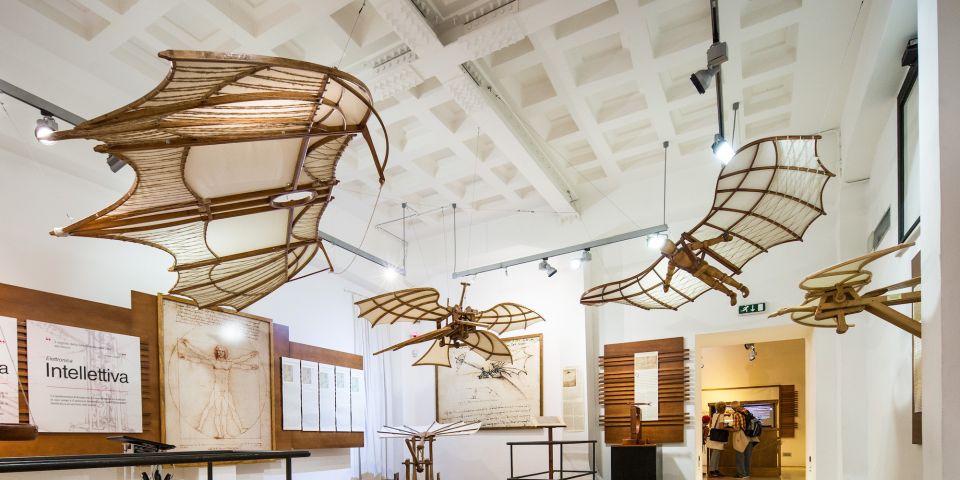
- 65 full-scale machines built from Leonardo’s designs you can touch and test
- 9 holograms in 3D that connect paintings and inventions in a way static displays can’t
- Four science zones (Water, Air, Fire, Earth) organized around how da Vinci experimented
- 7 interactive installations tied to his drawings, with hands-on learning built in
- A 43 BC tomb connected to the site, set in an underground natural pond
- Audio-first touring via the included gadget, which you can use at your own pace
A hands-on Leonardo ticket in Rome that actually feels different
If you’ve visited the usual art-heavy stops in Rome, you know how easy it is to end the day feeling like you only grazed the surface. This exhibition is the opposite. It’s built around da Vinci as an engineer—someone who sketched, tested, measured, broke ideas into parts, and then tried again.
What makes it work is that the show doesn’t just point at drawings. It translates them into working-scale models. In plain terms: you get to see devices the way they might have functioned, and you can experiment with many of them. That alone is a big reason people walk out talking about specific machines they tried, not just the name Leonardo da Vinci.
The second big win for me is the mix of media. You get full-scale reproductions plus 3D holograms, and you also get interaction tied directly to his sketches. The result is a visit that feels more like problem-solving than sightseeing.
Is it perfect for everyone? It’s not long, and it isn’t a quiet, sit-and-read museum. If your ideal pace is slow and contemplative, plan to spend time at each station rather than rushing. Also, because it’s hands-on, you’ll want to watch your step and follow the do not touch and touch-only zones carefully.
You can also read our reviews of more tours and experiences in Rome.


Where Palazzo della Cancelleria puts you in the middle of Rome
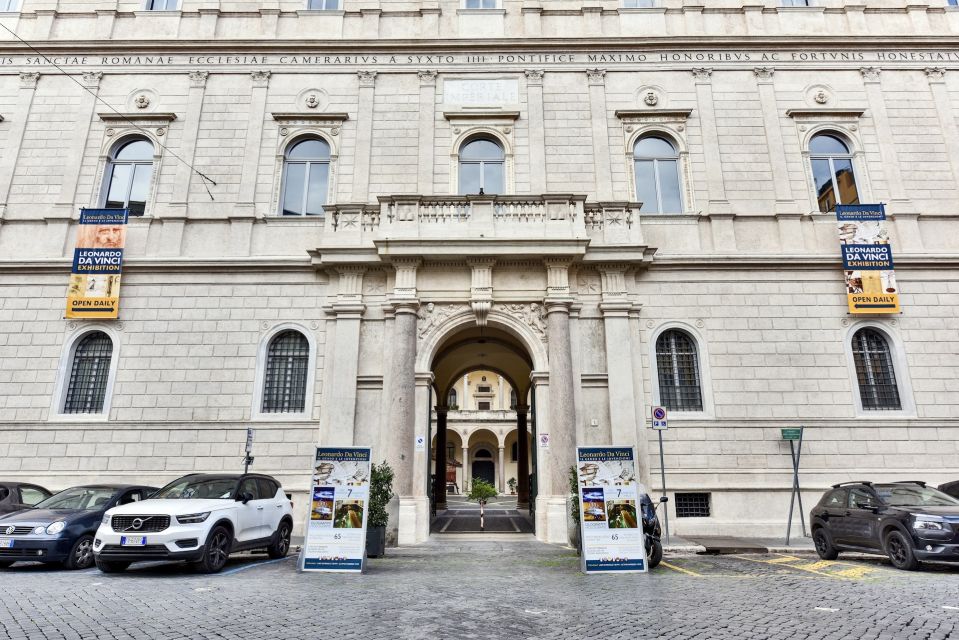
The exhibition is at Piazza della Cancelleria 1, near Campo dei Fiori and Piazza Navona. That location matters because it lets you stitch the visit into a day that’s already full.
Here’s how I’d use it: start with the lively streets near Campo dei Fiori or the classic photo stops around Piazza Navona, then cool off here underground. Several features are literally set up like an escape from Rome’s heat, and the underground portions can make the afternoon feel easier.
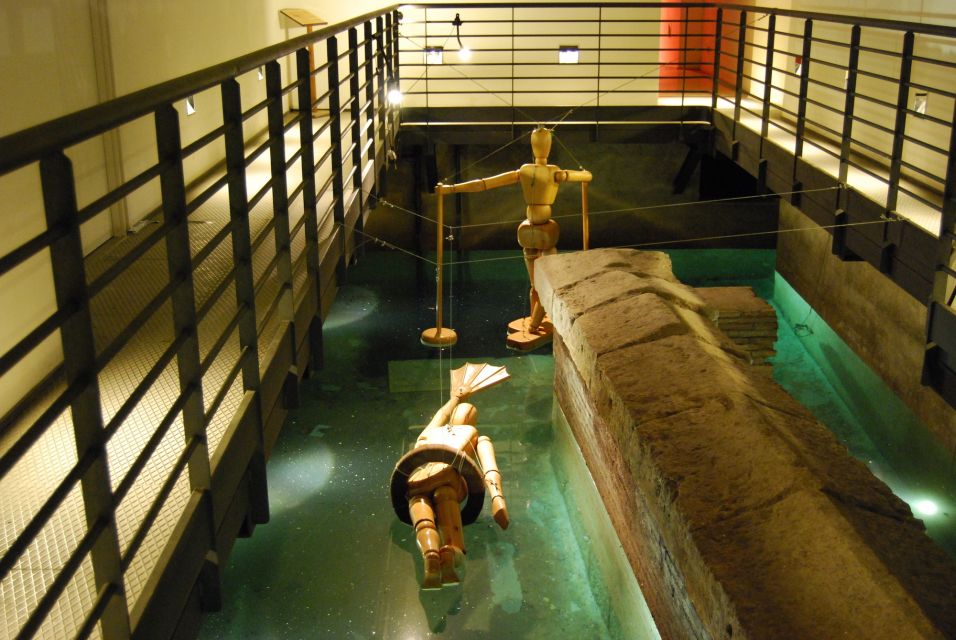
Also, the Palazzo isn’t just a wrapper for the exhibition. The Palazzo della Cancelleria is owned by the Vatican, and the building is notable for its architecture. The Sacra Rota is on the upper floor (marriage dissolution cases), and the site includes the tomb of architect Auro Irzio, dating to 43 BC, set in an underground natural pond. Even if you’re only focused on the exhibit, the building context gives the visit extra weight.
One practical note: because the exhibition uses room-by-room navigation and an audio gadget, it can help to keep an eye on the room numbers as you go. A few people find the route slightly confusing at first—easy fix: slow down at the start and orient yourself early.
What you’ll actually see: four themed sections of da Vinci science
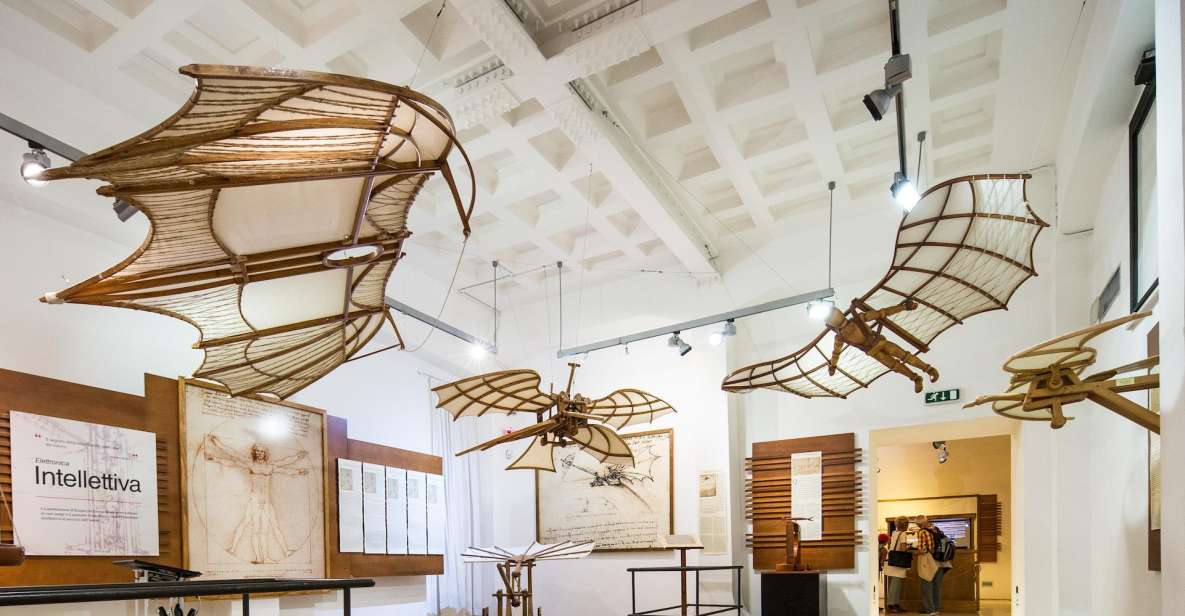
The exhibition takes you through four sections, each tied to Leonardo’s studies of Water, Air, Fire, and Earth. Think of these as lenses for the same mindset: observe, sketch, test, and build.
Water: ideas for motion, flow, and mechanics
In the Water section, you’re essentially stepping into da Vinci’s urge to understand how things behave when they move. Expect models and explanations aimed at practical engineering questions—how forces act, how parts interact, and why designs work.
Even if you’re not a science person, this is where the hands-on pieces start to click. You’re not asked to memorize theories. Instead, you can see the logic of the device in front of you.
Air: a bridge from observation to flight thinking
Air is often the most exciting theme for people who like transportation and motion. Here you’ll find engineering directions behind his fascination with how things move through space.
One reason this section lands is that it complements the hologram and model format. You don’t just read about what da Vinci might have imagined—you see the shape of the idea as a machine, then watch it explained with audio.


Fire: experiments, instruments, and controlled power
Fire is presented as a study area, not just drama. You’ll encounter da Vinci’s approach to engineering as something testable: instruments, scientific thinking, and design details connected to how energy can be harnessed and measured.
If you like learning the why behind a device, this section gives you more than names and dates. You start to see how the sketches turned into instruments.
Earth: structures, materials, and building logic
Earth rounds out the science set by tying engineering to the physical world—materials, stability, and the logic of structures. If there’s one area that can connect da Vinci’s thinking to modern construction, it’s here.
You may also get the chance to do something active in this part of the exhibition. The show includes an activity where you can build your own version of a bridge da Vinci invented, which is a fun reminder that his work wasn’t limited to flying machines.
The wow factor: full-scale machines and 3D holograms
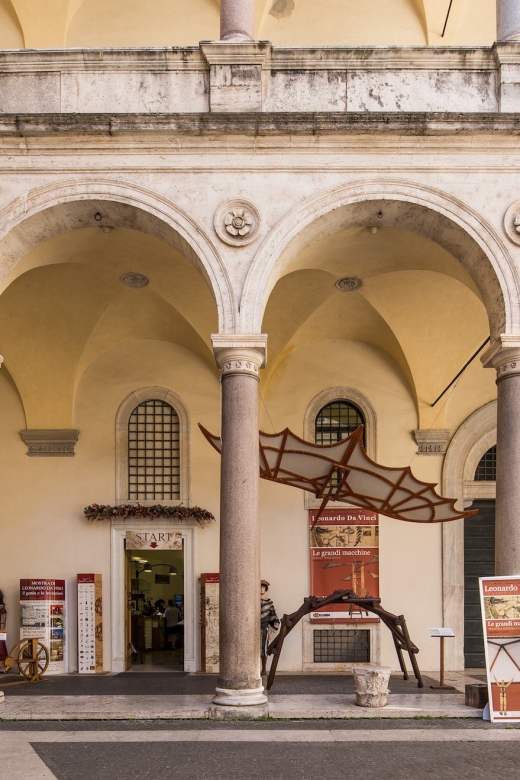
The headline promise is over 65 full-scale machines made according to da Vinci’s designs. But what matters isn’t just the number—it’s that the machines are staged so you can understand how they work.
I especially liked that many exhibits are designed for interaction. You can touch and play with almost all the machines on display. That turns the exhibit into a workshop-style experience. It also helps kids and adults stay engaged without needing a lot of prior knowledge.
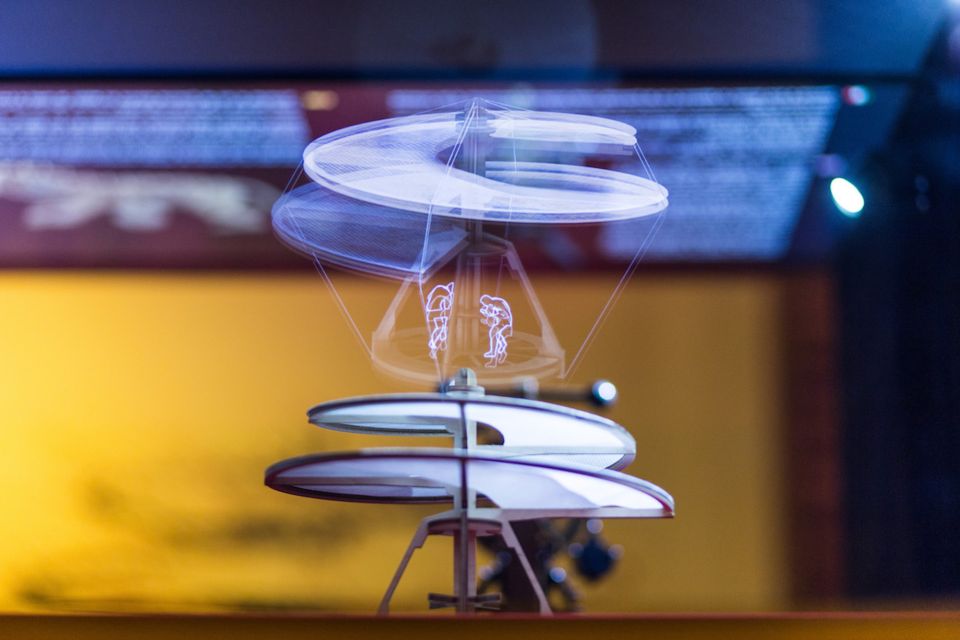
Then come the 9 holograms. These show da Vinci’s paintings and inventions in 3D, which is a powerful way to connect two sides of his genius. You don’t just see art and engineering in separate boxes. You see them treated as connected thinking.
One extra art surprise
The exhibition can include a copy of The Last Supper in the mix, so even if you came for the engineering, there’s enough art context to keep the show from feeling like a pure science fair.
Hands-on installations tied to his drawings
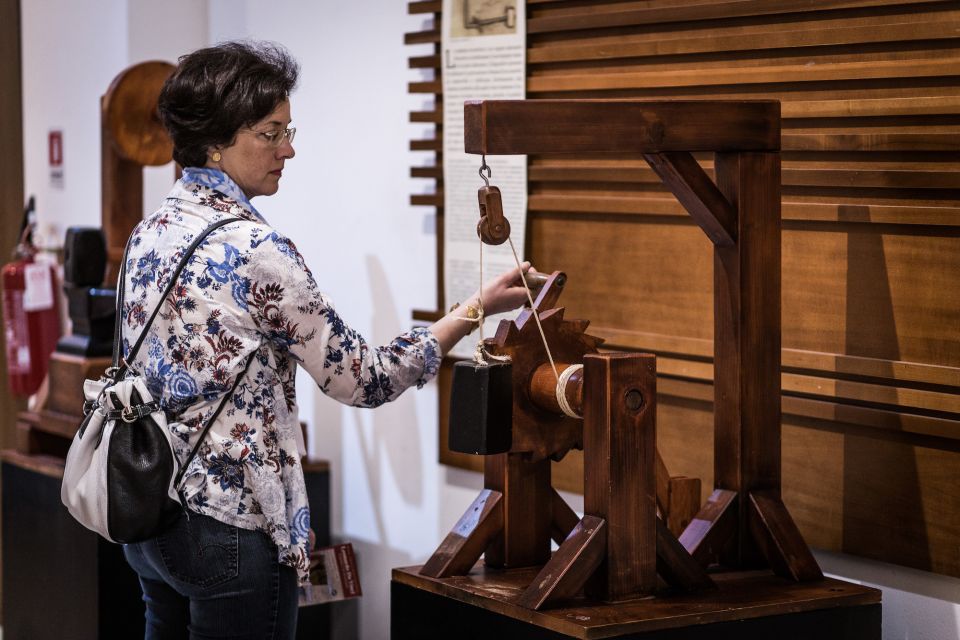
The exhibit isn’t only models. It also includes 7 interactive installations connected to da Vinci’s drawings. These are designed to help you track how his sketches became mechanisms.
This is where the show does well for first-time Leonardo fans. Instead of forcing you to understand Renaissance drawing technique before you can appreciate the machines, the exhibit uses interactive elements to translate the drawing into function.
It’s also where you’ll feel the “engineering brain” more clearly. Da Vinci didn’t just invent objects; he invented ways to think about how objects behave.
The underground tomb stop: 43 BC in an underground natural pond
One of the most memorable elements is the tomb from 43 BC, connected to the architect Auro Irzio, set in an underground natural pond. This isn’t a generic background detail—it’s presented as a real feature tied to the site.
Why it matters for your visit: it anchors the Leonardo theme in place. You’re not just in a modern exhibition hall. You’re inside a historic building where the past is physically under your feet.
Do you need the headphone/audio gadget?
The ticket includes a gadget. Many people recommend using the audio option because the explanations help you follow what you’re seeing. You’ll also find that audio content can add context about how da Vinci’s inventions connect to modern ideas in transportation and architecture.
You do not get a guide included in the ticket price. If you want a deeper, live explanation, that’s an extra add-on option rather than part of the base experience.
My practical take: use the gadget for sure. It’s the simplest way to get the most out of the show without feeling stuck reading tiny labels. If you love Leonardo deeply and you want more background on specific machines, then consider whether you’d rather pay for a live guide—or just do a second pass with the audio content more carefully.
Timing, value, and how long you’ll need
The ticket is priced at $10 per person and is valid for a 1-day visit (with starting times based on availability). Duration can feel short on paper, but the experience is designed so you can choose your pace.
From what’s consistent about the exhibit feel:
- If you skim labels and try the biggest machines first, plan around 45 to 60 minutes.
- If you stop for videos, read explanations, and test lots of interactive stations, plan closer to about 1.5 to 2 hours.
This makes it a strong value in Rome, where many popular attractions cost a lot more and still leave you feeling rushed. For $10, you’re paying for a hands-on, multi-format show with models, holograms, and multiple interactive stations—exactly the kind of “make your brain do something” stop that can break up a Rome itinerary.
One more value note: the exhibition is in an underground setting, so it can be a smart choice when the sun is punishing. Even if you’re not a museum person, the comfort factor helps.
Who this is best for (and who should think twice)
This is a great fit if you like:
- hands-on exhibits and learning by doing
- Leonardo da Vinci as an inventor, not only as an artist
- families who need an activity that doesn’t require long attention in one spot
- visitors who want something quieter than Rome’s most crowded attractions
It’s also a good “second stop” after a big Roman sightseeing day because it’s compact and not overwhelming.
A consideration: because it’s interactive and some areas can involve uneven surfaces or careful touch instructions, it may not suit the tiniest kids who can’t follow safety rules yet. If your group includes cautious walkers or anyone with mobility concerns, I’d treat it like a place where pace matters.
Practical tips to make your visit smoother
- Use the audio gadget early. Learn the route logic first, then speed up.
- Don’t rush the hologram area. The 3D effects work best when you slow down and watch the transformation rather than move on instantly.
- Expect a mix of art and engineering. If you only like one side of da Vinci, you may still enjoy the other through the exhibit’s format.
- If you want fewer crowds, choose a time later in the day when the surrounding area can be less hectic. This tends to make it easier to take your time with interactive machines.
Should you book this Leonardo da Vinci exhibition ticket?
Book it if you want a practical, hands-on Leonardo experience for a low price, with full-scale machines, 3D holograms, and interactive stations connected to da Vinci’s sketches. It’s especially good as a break from Rome’s heat and as a change of pace from the city’s more traditional museum stops.
Skip it only if you’re expecting a huge museum campus or a guided history lecture as part of the ticket. This is a smaller, action-oriented exhibition. It rewards curiosity and play more than quiet appreciation.
If you’re trying to decide what to do on a Rome day, this is one of the better bets for value: a short window, strong wow moments, and plenty to touch and test.
FAQ
Where is the Leonardo da Vinci exhibition located?
It’s located at Piazza della Cancelleria 1, near Campo dei Fiori and Piazza Navona.
How much does the entrance ticket cost?
The price is $10 per person.
How long should I plan to spend inside?
The activity is listed as 1 day, and the visit typically feels like a shorter stop; many people report around 45 to 60 minutes, while others spend up to about 2 hours depending on how much they read and interact.
Is a guide included with the ticket?
No. Exhibition entrance fees are included, along with a gadget, but a guide is not included.
What’s included with the ticket?
You get exhibition entrance fees and a gadget for self-guided touring.
Are there holograms?
Yes. There are 9 holograms showing da Vinci’s paintings and inventions in 3D.
Does the exhibition include hands-on activities?
Yes. You can touch and play with almost all the machines on display, and there are interactive installations.
What themes are covered in the four sections?
The exhibition focuses on da Vinci’s studies of Water, Air, Fire, and Earth.
What happens if I arrive late?
Entrance is available until 1 hour before closing time.
Is the experience wheelchair accessible?
Yes, it’s listed as wheelchair accessible.