REVIEW · GENOA
Genoa Food, Wine Tasting & History Walking Tour
Book on Viator →Operated by GenovaTourMyLand.it · Bookable on Viator
Few cities do this mix as well as Genoa. This 2-hour walking tour pairs major landmarks like Palazzo Ducale and San Lorenzo Cathedral with classic Genoese street foods, plus two Ligurian wines.
I like that the tour keeps things practical: a small group (up to 15), a clear walk from the Columbus area to Via Garibaldi, and a menu that can adapt to dietary needs. It also feels personal in the way Lorenzo tells stories, with plenty of chances to ask questions while you’re eating and walking.
One consideration: this is very much a street-food style tasting. You’ll be on your feet through Genoa’s hills and alleys, and portions are meant for snacking rather than a full sit-down meal.
In This Review
- Key highlights at a glance
- Genoa’s best trick: eating your way through history
- Columbus House to Palazzo Ducale: where the city flexes its power
- San Lorenzo Cathedral: the big church stop that actually feels local
- Palazzo San Giorgio and the fresco: noble life as art and message
- The Genoese food lineup: exactly what you’ll taste
- Focaccia (the starter that sets the tone)
- Farinata (chickpea comfort with serious personality)
- Pesto (not just a sauce, a Genoese signature)
- Panera (your sweet pivot)
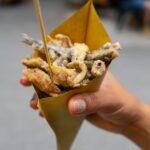
- Pesce fritto (the bold stop, with a heads-up)
- Wine tasting: two glasses that teach you how to taste local
- Pace, walking routes, and what to wear
- Group size and the guide factor (Lorenzo is the engine)
- Price and value: is $71.38 worth your time?
- When to book and who should choose it
- What you’ll take home: a Genoa mental map
- Should you book this Genoa food, wine and history tour?
- FAQ
- Where does the tour start and where does it end?
- How long is the Genoa Food, Wine Tasting & History Walking Tour?
- What food and wine are included?
- Can the menu be adjusted for dietary needs?
- Is this tour suitable for families or pets?
- Is hotel pickup included?
- What languages is the guide available in?
- Is the tour very walking-heavy?
- What if the weather is bad?
- How big are the groups?
Key highlights at a glance
- Iconic Genoa sights in a short walk: Columbus area, Palazzo Ducale, San Lorenzo Cathedral, Palazzo San Giorgio
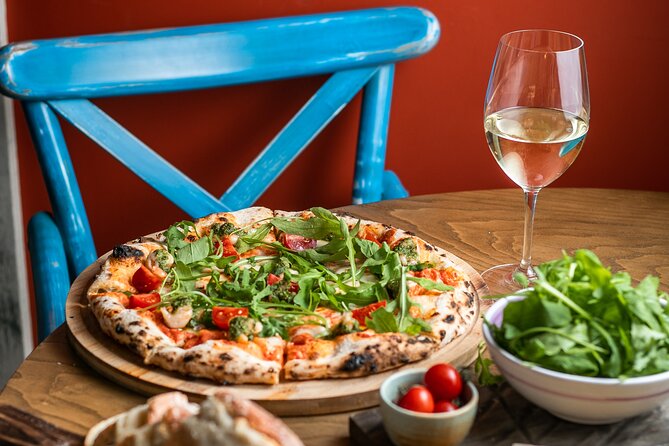
- Classic Genoese bites: focaccia, farinata, pesto, panera, pesce fritto
- Two Ligurian wines: enough to taste and compare, not a formal sommelier course
- Small-group feel: maximum 15 people, guided in English with other languages offered
- Flexible menus: vegan, vegetarian, family and pet friendly, with dietary follow-up after booking
- Local “how it’s eaten” approach: food on the move, in piazzas and alleys rather than seated tables
Genoa’s best trick: eating your way through history
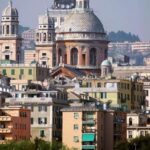
Genoa can feel like two cities at once: a grand, marble-and-palace city looking out toward the port, and a maze of narrow lanes where everyday life still happens. This tour leans into both sides, using food as the thread that connects the big-name buildings.
I love how the tastings aren’t treated like a side quest. They’re tied to what you’re seeing—Columbus-era symbolism, noble palaces, and the civic role of major churches. If you want an efficient way to get your bearings fast and still eat well, this format works.
The main drawback is expectations. If you’re picturing a long seated tasting menu with pauses and deep wine production lectures, you may feel the stops move briskly. The goal here is a street-level taste of Genoa, with history commentary layered on top.
You can also read our reviews of more tours and experiences in Genoa.

Columbus House to Palazzo Ducale: where the city flexes its power
The tour begins at Casa di Cristoforo Colombo in the old center. Even before you start sampling, this sets a tone: Genoa loves to tell its story, and Christopher Columbus is one of the city’s most visible symbols. You start in a place that’s hard to ignore, then you immediately shift from legend to the built environment around it.
Next comes Palazzo Ducale, described as the seat of power in ancient Genoa. This is where you get the “why Genoa mattered” context—how ruling institutions shaped the city’s look and how wealth concentrated in these grand civic spaces. If you’ve seen lots of churches already in Italy, this stop refreshes the mix by focusing on governance and influence.
What to watch for here: details. Palazzo Ducale is dramatic from the outside, but the guide’s job is to point you toward what mattered to Genoa’s elite and political class. Even if you only catch a few moments between sips and bites, you’ll understand the vibe better.
A minor pacing note: this tour is timed for only about two hours, so the landmark explanations are punchy. It’s ideal if you like getting the overview and then wandering back later on your own.
San Lorenzo Cathedral: the big church stop that actually feels local
San Lorenzo Cathedral is the tour’s main religious landmark, and it’s the one that helps you understand Genoa as more than just palaces and port views. The cathedral is framed as the most important church in the city, which matters because churches in Genoa weren’t just spiritual spaces—they were part of civic identity.
On this stop, the value isn’t just the architecture. It’s the sense that the guide links places to the way Genovese life has been shaped by tradition, faith, and public memory. You’ll also learn how the city’s elite and everyday residents shared the same public stage, even when their lives looked very different.
What to consider: cathedrals require time for entry and respectful behavior, so if you’re sensitive to crowds or strict rules, plan for a quick rhythm here. The tour is designed to include it without turning into a long church visit.
Palazzo San Giorgio and the fresco: noble life as art and message
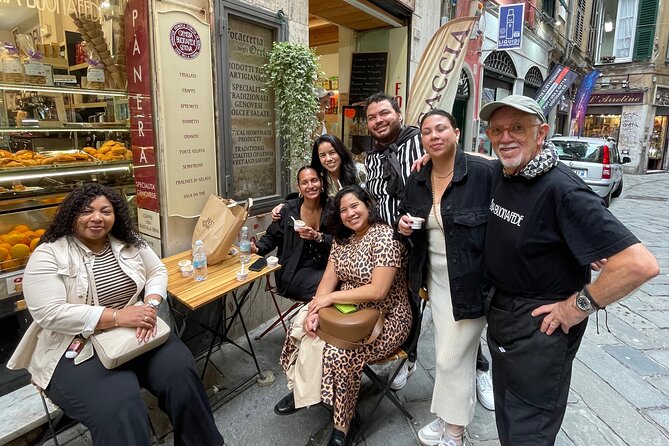
The tour moves on to Palazzo San Giorgio, highlighted for its magnificent fresco. This is a smart stop for two reasons.
First, it keeps the architecture track going after San Lorenzo. Second, it gives you a concrete example of how art functioned like communication—painted stories, status, and cultural messages designed for people who knew how to read them.
This is also where the tour’s “history walk” side starts to feel more textured. Genoa isn’t only famous for one view or one monument; it’s built from layered identities—merchant wealth, civic pride, and artistic expression. Palazzo San Giorgio helps you connect those dots.
In terms of what you’ll get out of it: you’ll see the palaces of nobility in their splendor, and you’ll understand why walking Genoa’s center feels like moving through a timeline.
The Genoese food lineup: exactly what you’ll taste
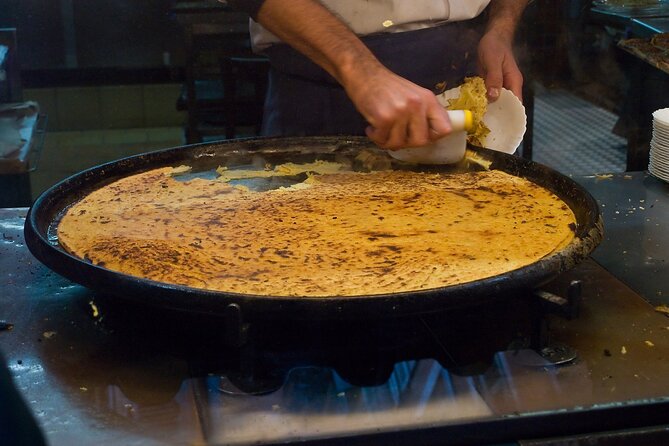
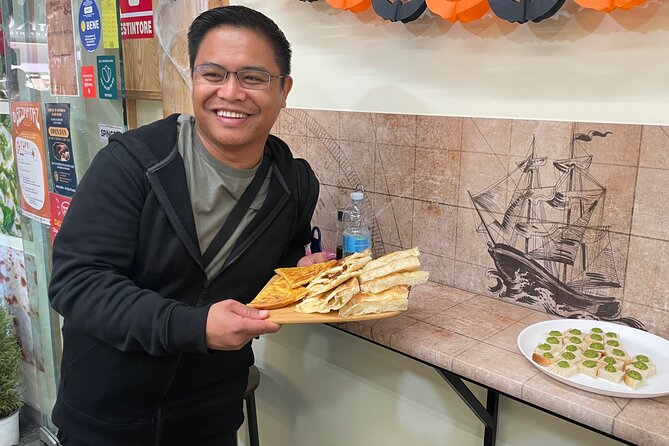
This is the heart of the tour: 2 hours of food and wine tasting with five typical dishes. The lineup is clearly stated: focaccia, farinata, pesto, panera, and pesce fritto.
Here’s how each one fits Genoa, and why the order matters:


Focaccia (the starter that sets the tone)
Focaccia in Genoa is often less about fluff and more about flavor and texture. Think of it as your warm-up bite—salt, herbs, and that recognizable Ligurian simplicity. It’s a good entry point if you’re new to Ligurian cuisine.
Farinata (chickpea comfort with serious personality)
Farinata is made from chickpea flour, typically baked and served in slices. It’s one of those foods that tastes like it has a long backstory because it basically does. If you like savory snacks, this is usually a highlight.
Pesto (not just a sauce, a Genoese signature)
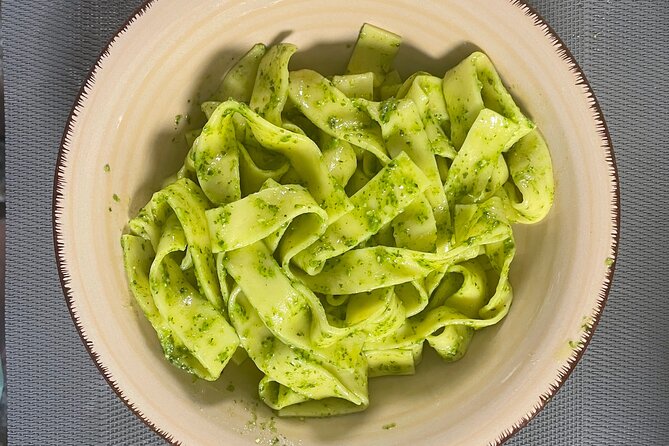
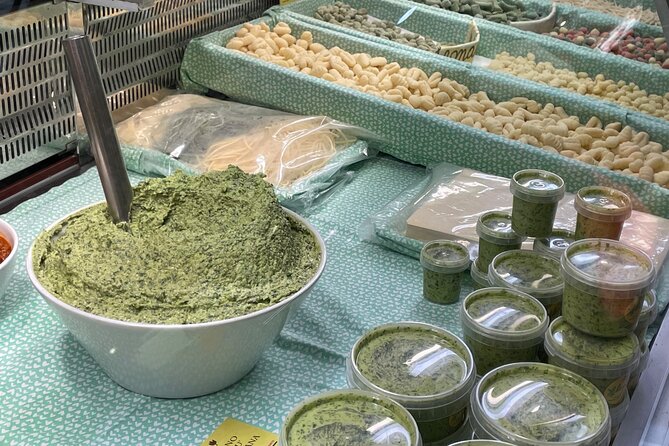
Pesto is the best-known Ligurian export, but in Genoa it still feels personal. On this tour, pesto is treated as a key element of local identity, not just a pasta topping you’ve tried at home.
Panera (your sweet pivot)
The tour includes panera, which often points to the city’s famous dessert tradition. You’re typically served something sweet here to balance the salty bites earlier in the walk.
Pesce fritto (the bold stop, with a heads-up)
Pesce fritto—fried fish—is part of the standard tasting menu. This is great for people who eat seafood, but it’s also a real heads-up if fried foods don’t agree with you.
One person noted fried fish didn’t sit well the next day, even though it tasted good. Another guest wanted a pizza-focused expectation instead and was surprised by the seafood emphasis. So if you’re cautious with fried items or seafood, flag it early. The tour does say the menu is based on your preferences and needs, so you can usually adjust.
Wine tasting: two glasses that teach you how to taste local
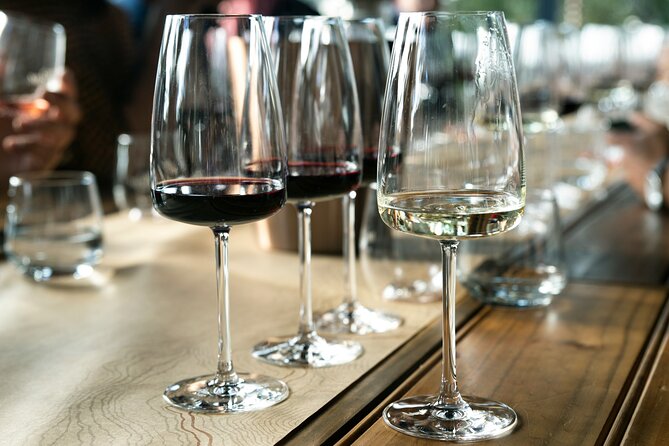
You’ll also have 2 of the best Ligurian wine as part of the tour. This isn’t marketed as a long, formal wine masterclass, and that matches how it feels in practice.
What you should expect:
- You’ll learn enough to understand what makes Ligurian wine styles distinct.
- You’ll taste two options and compare them.
- The guide does most of the explaining, but the goal is introduction and context, not a production-deep lecture.
This is a good approach if you want something you can carry into later tastings on your own. If you’re hunting for detailed vineyard methods and in-depth viticulture talk, you may find the wine portion a bit light.
Pace, walking routes, and what to wear
This is a walking tour with church and palace stops, and Genoa is hilly. Expect up-and-down legs and plenty of time moving between corners.
I like the good part of this: you get a lot of city in a short time without needing to plan routes. But you need to dress for comfort. Wear shoes you trust on uneven stone, and bring a light layer because weather can shift in coastal cities.
A practical tip: eat slowly when you can. The tastings are spread across stops, and if you rush them, you’ll lose some of the fun comparison between savory bites.
Group size and the guide factor (Lorenzo is the engine)
The experience has a maximum of 15 travelers, which is why it can feel personal. The guide—often Lorenzo—tends to combine city storytelling with food explanations in a way that helps everything connect.
From what’s been shared, guests especially liked:
- Lorenzo being personable, friendly, and ready with answers
- the tour including less-obvious corners that you likely wouldn’t spot alone
- the way history and food talk show up at the same time, instead of feeling like two separate tours
There’s also evidence that Lorenzo can adapt to specific needs. One guest praised accessibility accommodation for an older grandmother, and the tour notes it’s designed to be family and pet friendly. If you have a mobility limitation, mention it during the dietary/special-requests contact after booking so the guide can plan around you.
Price and value: is $71.38 worth your time?
At $71.38 per person for about two hours, you’re paying for three things:
- A guided overview of major Genoa sights
- A guided street-food tasting with five dishes
- Two glasses of Ligurian wine
That’s not a cheap “snack walk,” but it can be good value when you compare it to paying separately for guided access, multiple tastings, and wine. The small-group cap and the variety of stops also help justify the price.
Where it might feel less worth it: if you want a lot more food volume than a tasting format provides, or if you strongly prefer sit-down meals. This tour is built around snacking and walking, not big plates and long rests.
My take: it’s best if you treat this as your first-day shortcut—get the story, get the flavors, then explore the city on your own afterward.
When to book and who should choose it
This tour is a smart pick if:
- You have limited time in Genoa and want a compact hit of sights plus food
- You like street food and eating outdoors
- You want a local guide to connect palaces, churches, and daily cuisine
- You’re traveling with kids (the tour is described as family friendly) and you want a guided, manageable outing
It’s a less ideal choice if:
- You need a completely seated tasting experience
- You strongly dislike fried foods or seafood (the menu includes pesce fritto, though preferences can be addressed)
- You expect a deep technical wine class focused on production details rather than a guided tasting intro
If it’s your first day in town, start early enough that you’re not rushed by lunch or dinner plans. One traveler specifically booked as a last-day activity before a flight, and the tour’s compact length makes that kind of timing work.
What you’ll take home: a Genoa mental map
The biggest payoff is not one dish or one building. It’s that you leave with a working mental map of the city center—Columbus symbolism, civic power at Palazzo Ducale, the religious core in San Lorenzo, and noble life at Palazzo San Giorgio—while you’ve tasted signature Genoese foods along the way.
That combination is why guests rate it so high. The best part is the “I get it now” feeling: food choices make sense in context, and the landmarks stop being random.
Should you book this Genoa food, wine and history tour?
If you want a two-hour walking plan that blends famous Genoa landmarks with classic Ligurian tasting, this one is a strong yes. The guide-led structure helps you see more without feeling like you’re studying a map for every turn.
Book it if you like street-food style tastings, you’re comfortable walking hills, and you’ll take advantage of the dietary request contact after booking. You’ll get five Genoese bites plus two Ligurian wines, all tied to places like Palazzo Ducale and San Lorenzo Cathedral.
Skip—or choose a different format—if you require sit-down meals, or if fried fish and fast-moving stops don’t match your style. Either way, Genoa is a city you’ll enjoy more when you understand its food and its power structures at the same time.
FAQ
Where does the tour start and where does it end?
It starts at Casa di Cristoforo Colombo, Vico Dritto di Ponticello, 37, 16121 Genova GE, Italy. It ends at Via Garibaldi, Genova GE, Italy.
How long is the Genoa Food, Wine Tasting & History Walking Tour?
The tour lasts about 2 hours.
What food and wine are included?
You’ll taste 5 typical Genoese dishes: focaccia, farinata, pesto, panera, and pesce fritto, plus 2 Ligurian wines.
Can the menu be adjusted for dietary needs?
Yes. The tour says the menu is based on your preferences or needs, and it is vegan, vegetarian, family and pet friendly. You’ll be contacted after booking to discuss special dietary requirements.
Is this tour suitable for families or pets?
The tour is listed as family and pet friendly, and service animals are allowed.
Is hotel pickup included?
No. Hotel pickup and drop-off are not included.
What languages is the guide available in?
The in-person guide is offered in English, Spanish, and Italian.
Is the tour very walking-heavy?
Yes. It’s a walking tour through the city center with palace and church stops, and it includes walking through Genoa’s lanes and hills.
What if the weather is bad?
The experience requires good weather. If it’s canceled due to poor weather, you’ll be offered a different date or a full refund.
How big are the groups?
The group size is limited to a maximum of 15 travelers.