REVIEW · POMPEII
Pompeii 2-hour Private Tour with an Archaeologist-Ticket included
Book on Viator →Operated by Askos Tours · Bookable on Viator
Pompeii is better when someone slows you down. This private 2-hour Pompeii tour with an archaeologist (plus your admission ticket) lets you move at a human pace instead of getting swept along with a megagroup. You’ll cover the big story of the city through key public spaces and standout homes, with a guide who can connect what you see to how people actually lived.
I especially like the expert archaeology angle—not just dates, but what details mean on the ground. In guides like PhD archaeologists Silvia and Alessandra (from past tours), you can expect a lot of context, including what’s still being worked on and how excavations change our understanding.
One thing to consider: you’re walking for about two hours, and Pompeii is uneven. Bring comfortable shoes and plan for a moderate walking level, especially if you’re sensitive to steep or rough ground.
In This Review
- Quick Picks: What Makes This Pompeii Tour Worth Your Time
- Why This 2-Hour Private Pompeii Tour Is a Smart Bet
- Entering Pompeii at Porta Marina: Getting Oriented Without Stress
- Basilica and Forum Spaces: Where Pompeii’s Daily Life Gathered
- Granaries, Marble Tables, Fountains Baths, and the Eruption Casts
- The House of Menander: When Pompeii Gets Fancy
- Stabian Baths (Terme Stabiane): Pompeii’s Oldest Thermal Complex
- Lupanar: The Famous Brothel Lane Stop
- House of the Faun: Big Pompeii, Clear Lessons
- Teatro Piccolo and Teatro Grande: Pompeii on Stage
- Price and Value: What $214.75 Covers (and Why It’s Not Just a Fancy Add-On)
- Logistics That Matter on a Real Day (Shoes, Weather, and Getting Back)
- Who This Pompeii Tour Fits Best
- Should You Book This Private Pompeii Archaeologist Tour?
- FAQ
- How long is the Pompeii private tour?
- Is the admission ticket included?
- Is this tour private?
- What language is the tour offered in?
- Where do we meet the guide?
- Where does the tour end?
- Is lunch included?
- Do I need hotel pickup or drop-off?
- What should I wear or bring?
- Are service animals allowed?
- Is there free cancellation?
Quick Picks: What Makes This Pompeii Tour Worth Your Time
- Private pacing: you’re with just your group, so you can ask questions and stop for photos without feeling rushed
- Archaeologist-led meaning: you’ll get explanations that turn walls and street corners into real daily life
- Ticket included up front: admission for the archaeological park is covered, so you’re not juggling logistics mid-visit
- A smart cross-section of Pompeii: forum spaces, bath complexes, a famous brothel, and two major theater areas
- Guides who tailor the pace: multiple guides mention being patient with late arrivals and adjusting speed for older family members
Why This 2-Hour Private Pompeii Tour Is a Smart Bet
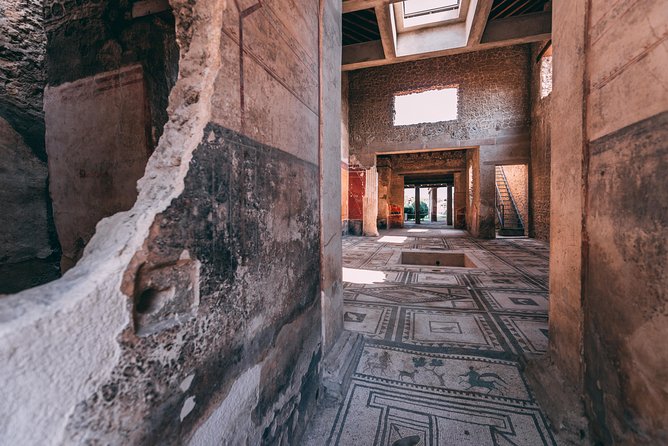
Pompeii can feel like information overload if you’re wandering on your own. This is a tight, focused route that helps you build a clear mental map fast: public Pompeii (forum, portico spaces), private Pompeii (grand homes), and everyday Pompeii (baths, nightlife, theaters). The private format matters here. When you can ask questions at the right moment, Pompeii clicks into place instead of staying a blur.
I also like that the tour is only about two hours. That’s long enough to learn and see the most meaningful “anchors” of the site, but short enough that you’re not trapped in a full-day grind. If you’re visiting from another town or planning a packed day, this length is practical.
And because entry is included, you start with less friction. Instead of losing your energy at ticket counters or re-routing around admission rules, you get moving—right to the main entrance and into the story.
You can also read our reviews of more tours and experiences in Pompeii.



Entering Pompeii at Porta Marina: Getting Oriented Without Stress
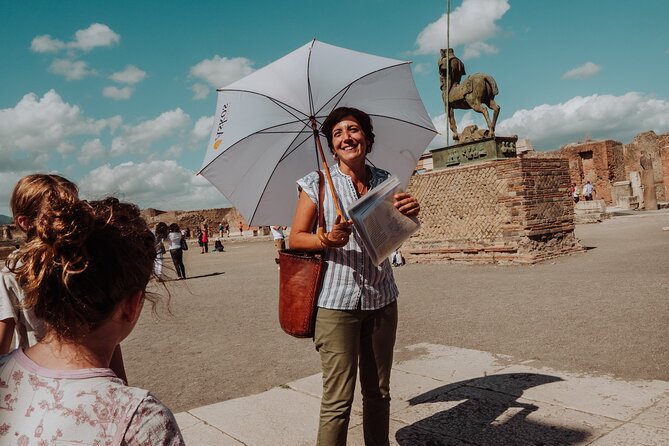
Your guide meets at Porta Marina Superiore, the main entrance point for the tour. You’ll find them holding a sign with Askos Tours on it, which is helpful in a place where everyone’s looking at maps and signs.
Orientation is the hidden value in a short tour like this. A good guide doesn’t just point; they help you understand the layout—where you are in relation to the forum area, how streets connect neighborhoods, and why certain buildings mattered. That’s exactly what guides highlighted in past tours: being clear on directions and giving context so you don’t feel lost once you’re inside.
At the end, you’re dropped off at Piazza Esedra, and the guide can help you figure out how to get back to your accommodation or to the closest train station. That’s a small detail that can save you time if you’re unfamiliar with the area.
Basilica and Forum Spaces: Where Pompeii’s Daily Life Gathered
The tour starts by stepping into the city’s civic rhythm, beginning with the Basilica. This wasn’t just a church-like building; it functioned as an open portico area that gave shelter to merchants and other activities. In other words, it’s one of those buildings where the “why” matters as much as the “what.”
What you’ll likely notice: the layout supports movement and gathering. With a guide, you can connect that to how people conducted business and handled everyday city life under cover—especially important in a place where weather and crowds change how people used space.
From there, you head toward the Forum area (Foro de Pompeya), the ancient main square. This is where Pompeii’s public identity becomes physical: it’s the social stage of the city. If you’ve ever visited ruins and felt like everything was random, forum areas solve that. They give the bones of city life—where conversations happened, decisions were made, and people passed through.
A short tour like this doesn’t let you linger everywhere. So if there’s one place you want extra time, this is usually where to spend your question energy: ask what you’re seeing, and your guide can point out small details you’d miss while rushing.
Granaries, Marble Tables, Fountains Baths, and the Eruption Casts
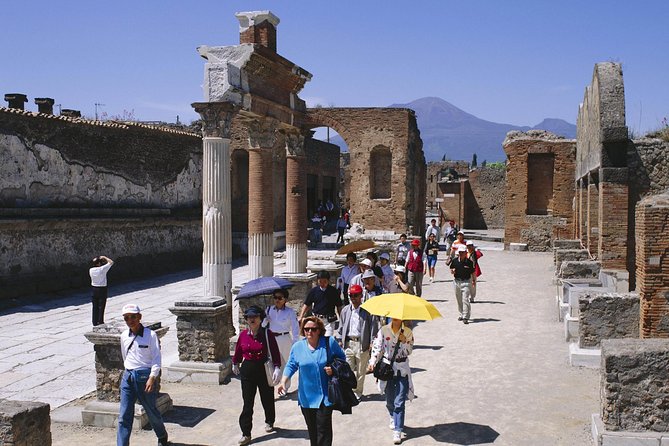
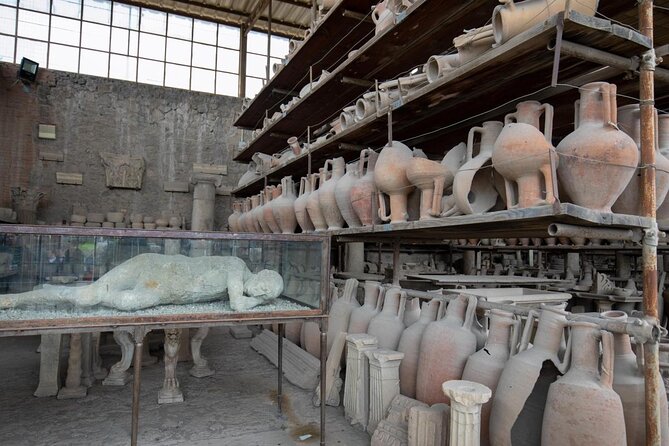
Next comes the Granaries of the Forum—a stop that blends practical function with chilling historical evidence. You’ll see marble tables and baths connected to fountain features at the entrances of homes. It’s a reminder that Pompeii wasn’t just ruins; it was a city designed with comfort and display.
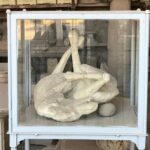
This stop also includes casts of victims of the eruption, plus details like a dog and even a tree. That mix—everyday street-level material culture paired with the aftermath—makes Pompeii emotionally powerful in a way that’s hard to recreate with self-guided walking.
One thing I appreciate about guided visits is pacing around heavier material. A good archaeologist guide can give context without turning it into a spectacle. If you’re visiting with kids, this kind of careful explanation can help them stay engaged without being overwhelmed.
The House of Menander: When Pompeii Gets Fancy
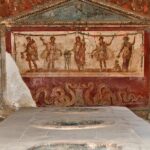
The House of Menander is one of the richest and most magnificent homes in Pompeii, especially for architecture, decoration, and what’s been found there. This is where you start seeing the gap between public Pompeii and private Pompeii.
What makes it meaningful on a short tour is that a house like this shows social structure. The rooms and decorative choices aren’t random; they reflect status, wealth, and how residents wanted to be seen. With an archaeologist at your side, you’ll get help reading what’s decorative versus what’s functional, and how the layout supported daily movement.
Potential drawback: if you want a deep architectural lecture, two hours can feel snug. The trade-off is that you still get the major “wow” moments, while your guide keeps the sequence logical so you leave with understanding, not just photos.





Stabian Baths (Terme Stabiane): Pompeii’s Oldest Thermal Complex
The Stabian Baths cover a vast area and represent the oldest thermal complex in the city. Baths in Roman life weren’t only about hygiene. They were social hubs—places to talk, relax, and circulate through the day.
This stop is a great example of why an archaeologist guide improves value. Without help, you might see corridors and rooms. With help, you can understand the purpose of different zones and how the bath layout reflects how people used it. It’s the kind of information that turns a building into a living routine.
If you love everyday history—how people actually spent time—this is one of your best stops on the route. Just note: baths areas can be busy within the site, so wear shoes with good grip and keep moving at your own pace.
Lupanar: The Famous Brothel Lane Stop
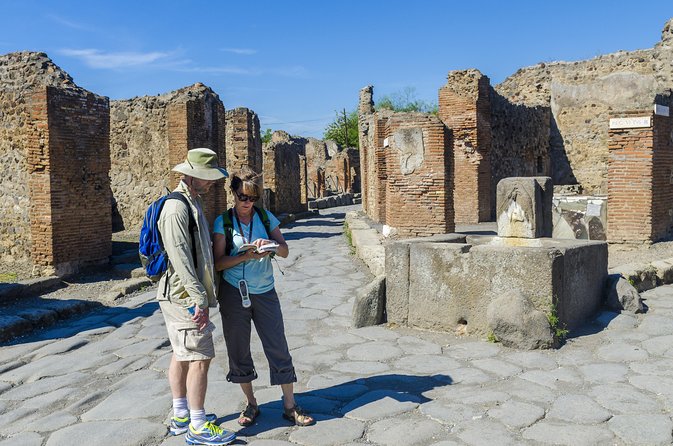
Then you’ll visit the Lupanar, the most famous brothel in Pompeii. This is often the stop people talk about later, partly because it’s so recognizable in Pompeii’s story and partly because it’s uncomfortable in a very human way.
A good guide helps you interpret it responsibly: not just what it was, but what it tells you about city life, gender dynamics, economy, and how public-private boundaries worked in Roman culture.
This is also where a private setting can help. If something feels sensitive, you can ask questions, set your pace, or skip questions without having to worry about keeping a group moving.
House of the Faun: Big Pompeii, Clear Lessons
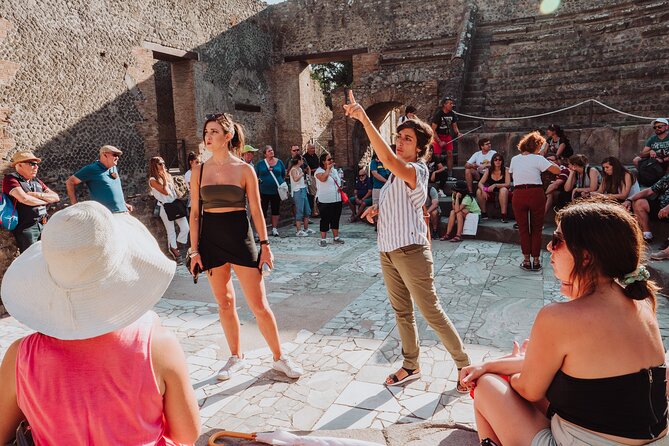
The House of the Faun is one of the largest and most impressive private residences in Pompeii. It’s the kind of stop that helps you understand scale. Rich houses weren’t only about aesthetics—they were about social identity, space, and how power showed up in everyday movement.
On a two-hour route, this is the “big picture” home that closes the loop. After forum and daily-life stops (baths, public squares), you get the contrast: private rooms and grand design showing what wealth looked like when it stopped being theoretical.
If you’re the type of visitor who likes to compare the extremes—common life versus high status—this house works well. You’ll leave with a clearer sense of how Pompeii functioned as a class-based city.
Teatro Piccolo and Teatro Grande: Pompeii on Stage
The tour includes a look at Teatro Piccolo and then moves to Teatro Grande, the most important theater in Pompeii. Roman theaters weren’t just entertainment; they were political and social tools, too—places where ideas traveled along with the crowd.
With a guide, you can connect the architecture to the audience experience. Where would people sit? How would you move through the space? Why did the theater matter in a city like Pompeii?
If you want a memorable ending point for a short tour, theaters are excellent. They’re visually distinctive even when you’re tired, and they offer easy story connections for an archaeologist to make the city feel organized in your mind.
Price and Value: What $214.75 Covers (and Why It’s Not Just a Fancy Add-On)
At $214.75 per person for a private 2-hour tour, the first question you should ask is: what’s actually included? Here, you’re paying for a professional archaeological guide and admission fees to Pompeii, plus the private format.
That ticket piece is key. Pompeii is not a free site, and admission can add up quickly if you’re planning a structured visit. Also, private guided time is expensive anywhere—so it matters that this tour concentrates your time on high-impact areas.
So I think the best way to judge the price is this: if you’d otherwise do Pompeii self-guided and still want a plan, this tour replaces trial-and-error walking with a guided route and real context. You’re not paying to be entertained for two hours; you’re paying to save time and convert ruins into understanding.
One more value angle: many guides have been described as passionate, professional, and patient—especially when visitors were late or needed slower pacing. That kind of guide skill turns the tour from a “walk and read” into a conversation with the site.
Logistics That Matter on a Real Day (Shoes, Weather, and Getting Back)
This tour runs in all weather conditions, so dress for rain, sun, or wind. Pompeii is outdoors and exposed, and your guide will keep going—just at a sensible pace.
You should also plan for real walking. The experience requests moderate physical fitness and recommends comfortable shoes. Even if the route feels manageable on paper, uneven ground can slow you down, especially near entrances and around stone edges.
One practical plus: the meeting area is near public transportation, which helps if you’re staying without a car. And because the guide can help with directions after the tour, you’re less likely to get stuck figuring out how to move on from Piazza Esedra.
Who This Pompeii Tour Fits Best
This is a strong choice if:
- you want Pompeii context fast without spending a whole day
- you care about archaeology details and want an archaeologist guide
- you prefer private pacing, especially with kids or older family members
- you like photo stops but still want explanations so the photos mean something later
It may feel less ideal if you’re trying to squeeze in an extremely detailed, room-by-room architecture study. This is curated toward key points—great for building understanding, not for exhausting every single corner of the park.
That said, even a “less than extraordinary” experience is often more about personal expectations than the tour itself. If you show up wanting a focused highlights route with expert guidance, it’s well matched.
Should You Book This Private Pompeii Archaeologist Tour?
I’d book it if you want Pompeii to feel coherent by the time you leave. The private format is a real advantage, and the archaeologist-led approach gives you explanations that turn a stone city into a readable place.
The biggest reasons I’d recommend it:
- Ticket included and the stops are chosen for maximum story value
- Short and focused timing keeps you from burning out
- Guides like PhD archaeologists (Silvia, Alessandra) are described as deeply passionate and able to answer questions clearly
- It’s designed for practical touring, with a guide who helps with where to go next
If you’re the kind of traveler who just wants to wander at random and read signs at your own speed, this could feel like more structure than you need. But if you want a smart plan, a calm pace, and real context, this private Pompeii tour is a strong pick.
FAQ
How long is the Pompeii private tour?
It’s about 2 hours.
Is the admission ticket included?
Yes. Admission fees to Pompeii are included.
Is this tour private?
Yes. It’s a private tour/activity, and only your group participates.
What language is the tour offered in?
The tour is offered in English.
Where do we meet the guide?
Meet at Via Villa dei Misteri, 2, 80045 Pompei NA, Italy (with the guide at the main entrance area called Porta Marina Superiore holding an Askos Tours sign).
Where does the tour end?
It ends at Piazza Esedra, 80045 Pompei NA, Italy.
Is lunch included?
No, lunch is not included.
Do I need hotel pickup or drop-off?
No. Hotel pickup and drop-off are not included.
What should I wear or bring?
Wear comfortable shoes, and dress appropriately since the tour operates in all weather conditions.
Are service animals allowed?
Yes, service animals are allowed.
Is there free cancellation?
Yes. Free cancellation is available if you cancel up to 24 hours in advance for a full refund.