REVIEW · POMPEI CAMPANIA
Pompeii: Day Tour of Pompeii and Vesuvius with Bus Transfer
Book on GetYourGuide →Operated by Tempio Travel Pompei Tickets · Bookable on GetYourGuide
Pompeii and Vesuvius in one packed day. I like how this tour gives you a licensed Pompeii guide with express entry, then handles the logistics with a bus transfer so you can focus on the sights. The only real catch is that the Vesuvius portion includes a hike, and on rough-weather days the mountain can close or get rescheduled.
In about 6 hours, you’re set up for the big names of Campania: Rome’s buried city at Pompeii, then the volcanic crater rim at Mount Vesuvius with panoramic views over the Bay of Naples. It’s a great match if you want maximum impact without spending a whole day figuring out transport.
In This Review
- Key Points to Know Before You Go
- Pompeii First: A Two-Hour Guided Walk That Makes the Ruins Make Sense
- Skip the Lines at Pompeii: Why This Timing Matters More Than You Think
- Choosing Your Pompeii Priorities: Main Sights vs. a Longer Day Feeling
- Villa di Misteri and Add-Ons: Check Before You Assume Everything Is Included
- The Bus Transfer to Vesuvius: Transport That Removes Stress
- Gran Cono Hike: The Part That Tests Your Legs (In a Good Way)
- Time at the Top: Use the 1.5 Hours Wisely
- Weather Reality: Rain, Bad Conditions, and What Happens if Vesuvius Closes
- Value and Logistics: Why One 6-Hour Block Often Beats DIY
- Who Should Book This Tour (and Who Should Rethink It)
- Practical Tips That Make the Day Smoother
- Should You Book This Pompeii and Vesuvius Tour?
- FAQ
- Where do I meet for the Pompeii and Vesuvius tour?
- How long is the tour?
- Is Pompeii guided, and do I get to skip the line?
- How do you get from Pompeii to Mount Vesuvius?
- Do I have to hike at Vesuvius?
- How much time do I have at the crater area?
- What language is the tour guide?
- What happens if Vesuvius is closed due to weather?
- What should I bring for the day?
Key Points to Know Before You Go
- Express entry at Pompeii saves time so your guided walk feels worth it
- Certified guide for Pompeii helps you connect the streets, buildings, and daily life
- Bus up the slopes to about 1000 meters reduces the hard part of getting there
- 15–20 minutes to the Gran Cono crater rim, then about 1.5 hours to explore
- The hike is genuinely strenuous in gravel, so bring good shoes and expect effort
- Weather can affect Vesuvius, with rescheduling or a partial refund option in bad conditions
Pompeii First: A Two-Hour Guided Walk That Makes the Ruins Make Sense
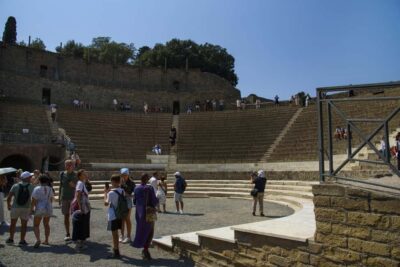
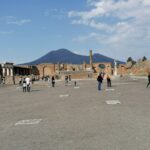
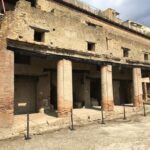
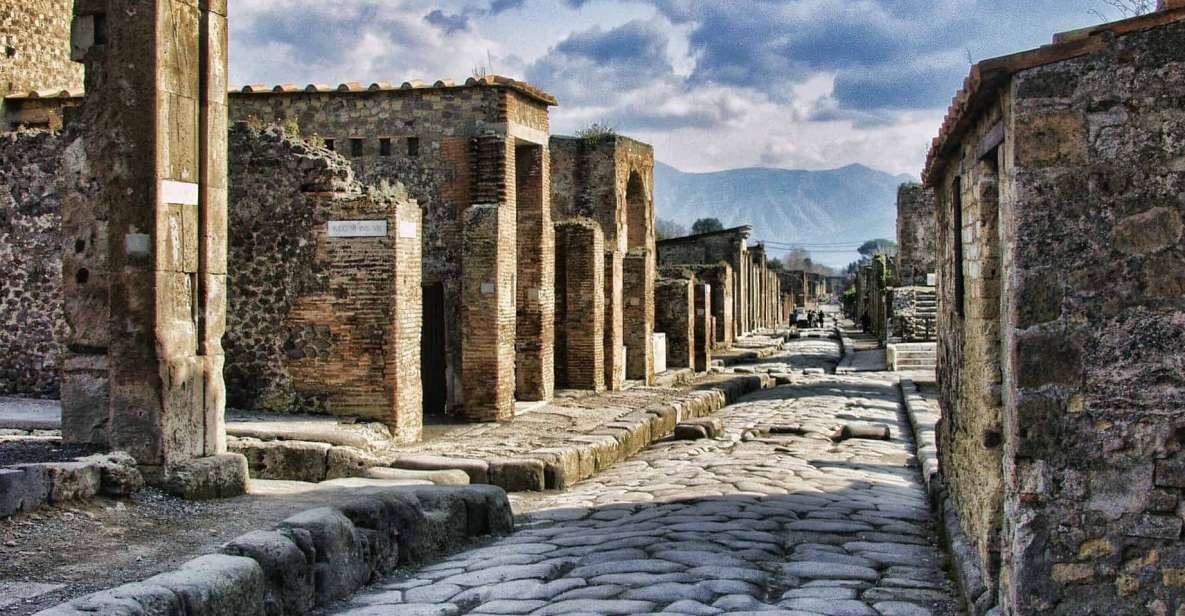
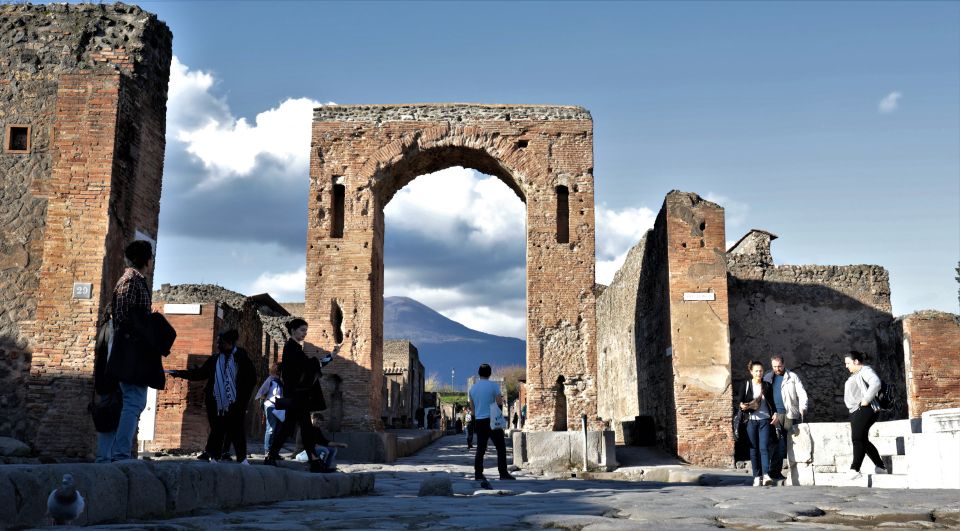
Pompeii hits hard. One minute you’re standing in daylight in southern Italy, the next you’re looking at streets, doorways, and even the layout of daily life from almost 2,000 years ago. What makes this tour work is that you don’t just wander. You get a 2-hour guided group tour through the Archaeological Park of Pompeii, led by a licensed guide who explains what you’re looking at as you move through the main highlights.
The Pompeii guide’s job is to turn scattered ruins into a story with rhythm: where people lived, how spaces were used, and what the city looked like in daily routines. This is where names like Igor and Ciro show up in the kind of guidance people remember—energetic, clear explanations that help you spot details you’d likely miss on your own.
Also, Pompeii can be crowded and confusing. A guide keeps you moving at a pace that actually fits the time you have, and they usually point out the scenes most likely to feel meaningful to you once you know the background.
You can also read our reviews of more tours and experiences in Pompei Campania.


Skip the Lines at Pompeii: Why This Timing Matters More Than You Think
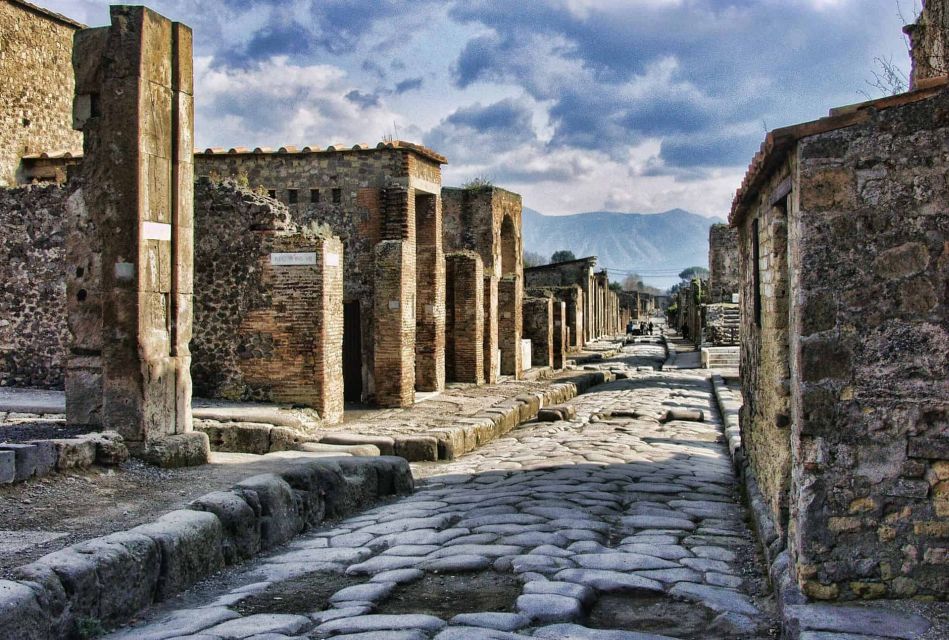
Pompeii is famous, which also means lines and bottlenecks. This tour includes express entry through a separate entrance, so you lose less time and get more daylight hours inside the site.
That matters because your guided portion is only about two hours. If you waste that window waiting to get in, you’ll feel rushed while trying to squeeze in photos and key sights. With express entry, you can use your limited time where it counts: inside the Archaeological Park, where the details live.
One more practical note: the group setup can be a bit large, which changes the vibe. You might get shared audio support (earpieces are mentioned in some experiences), but if the signal cuts out in busy areas, you’ll still want to stay close enough to follow the guide with your own ears.
Choosing Your Pompeii Priorities: Main Sights vs. a Longer Day Feeling
You’re not seeing Pompeii in its entirety. The tour is built for the highlights, not for a full slow walk of every neighborhood. That’s not a flaw; it’s how you avoid the common mistake of spending half the day moving from place to place without absorbing what you’re seeing.
What you’re likely to cover during the guided time is the “greatest hits” zone that gives you the Pompeii picture: the big streets, major public spaces, and the kinds of houses and structures that show how ordinary life was organized. Many people find it especially satisfying that the guide brings the story right up to the tragic eruption of 79 AD, instead of leaving you stuck in generic background facts.
If you’re the type who wants a longer, more personal loop through Pompeii—stopping for side streets, reading inscriptions, and returning to favorite corners—plan to treat this as your first visit. The time limit means you’ll want a second day later if Pompeii really grabs you.
Villa di Misteri and Add-Ons: Check Before You Assume Everything Is Included
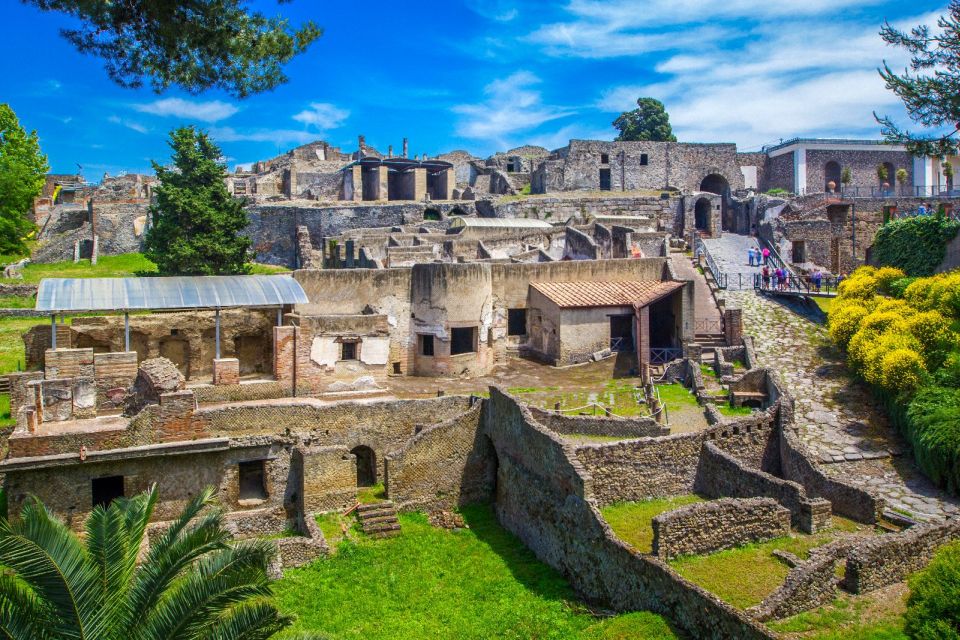
Your meeting point is near the Circumvesuviana station area at Villa dei Misteri, and that name shows up a lot around Pompeii. Some people planning their visit to Pompeii try to include Villa dei Misteri itself, and experiences suggest you may need an upgrade when you check in to get access for that extra walk-through.
Here’s the simple way to handle this: before you start wandering inside, double-check what’s included in your ticket set for the Pompeii portion. If Villa dei Misteri access is part of your must-do list, ask on-site at check-in so you’re not left staring at what you can’t enter.
The Bus Transfer to Vesuvius: Transport That Removes Stress
After Pompeii, you’re not left to figure out local buses or fight for a seat. The tour uses a bus transfer from Pompeii toward Mount Vesuvius, taking you up to about 1000 meters on the slopes. The route itself gives you that volcanic and coastal perspective that makes Vesuvius feel real rather than just like a name on a map.
This transfer is one of the main reasons the tour is popular. You’re saving time and reducing friction, especially if you’re coming from Pompeii and want the Vesuvius viewpoint without gambling on timetables.
One fair warning: not every bus ride is equally comfortable. Some experiences mention buses that felt old or hot, especially in summer. That’s not something you can fully control, but it does help to dress for heat and keep water in your day bag.





Gran Cono Hike: The Part That Tests Your Legs (In a Good Way)
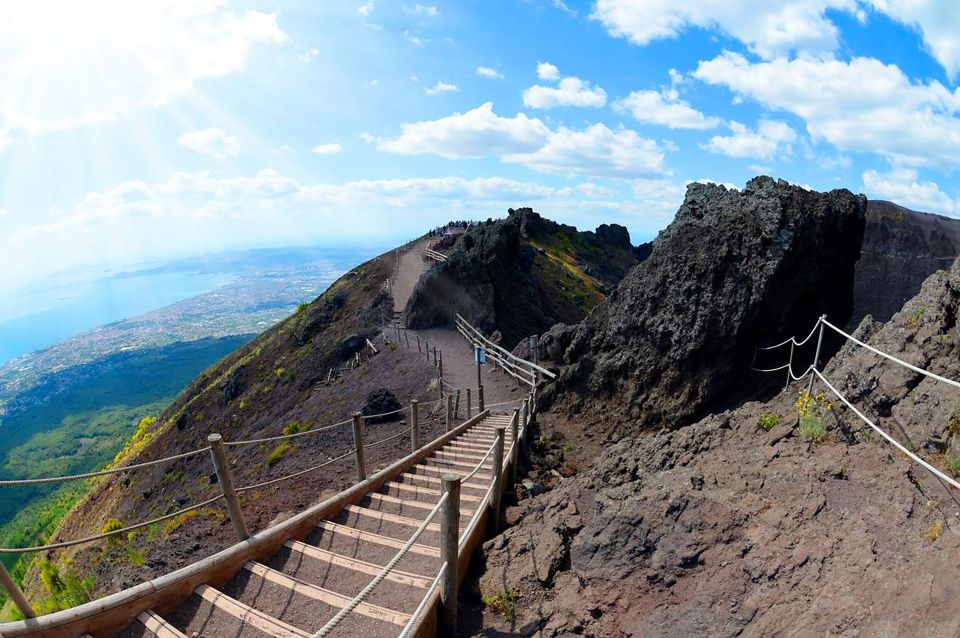
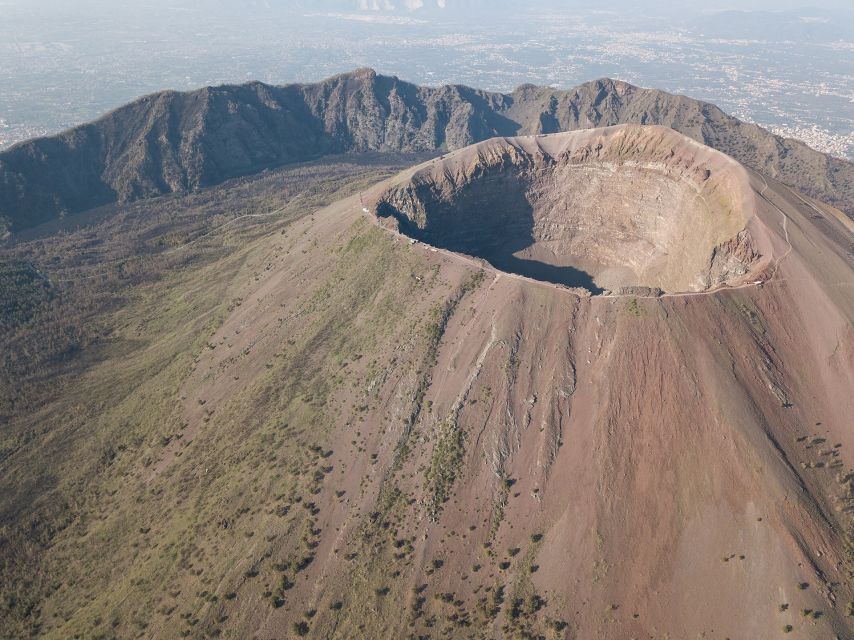
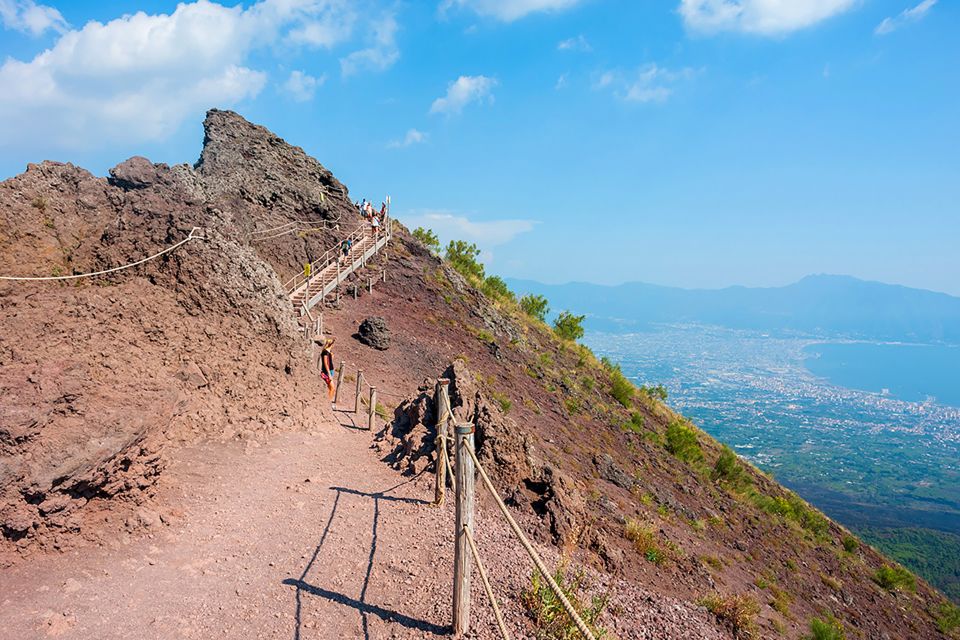
At Vesuvius, you move from the bus drop-off to the crater area. From the arrival point, you walk about 15–20 minutes to the Gran Cono, the main crater area. You’re heading to the rim, where you get that close-up sense of the volcanic structure.
The hike itself is short by time, but it isn’t a flat stroll. People describe it as more strenuous than expected, and the trail can involve gravel and slippery sections on the way down. If you have any doubt about your footing, bring shoes with grip and treat this as a real hill walk, not a casual leg-stretcher.
You’ll likely earn the effort quickly. Once you reach the rim, the view is the reward: dramatic volcanic formations and wide panoramas over the Bay of Naples, the Sorrento Coast, and even the direction of Capri on clear days.
And yes, there’s also a very real pleasure factor at the top. Some people mention having access to a bar and even grabbing limoncello at the summit area, which turns the hike into a small celebration rather than just a workout.
Time at the Top: Use the 1.5 Hours Wisely
After the short hike, you get about 1.5 hours of free time at the crater area. This is your window for photos, sitting for a moment to take in the geology, and doing your own slow look around the rim.
This is where you should manage your expectations. The view is spectacular, but it can also feel busy at peak hours. If you want the best photos, don’t wait until the last 10 minutes. Start early, then settle in for the second half when the light shifts and the scene feels different.
Also, decide what you want most: crater close-ups, panorama photos, or a longer rest. You can’t do everything equally in one hour and a half, but you can do it well if you choose.
Weather Reality: Rain, Bad Conditions, and What Happens if Vesuvius Closes
This tour runs rain or shine for Pompeii. For Vesuvius, conditions can change your day. The mountain may close due to bad weather, and you might get rescheduled or a partial refund on request.
So treat Vesuvius as the prize that’s weather-dependent. Bring a light rain layer if the forecast looks iffy, and keep a flexible mindset. In the real world, forest fires and heavy clouds can also impact access. When that happens, you don’t want your whole day planned around one view at one exact time.
If your travel dates are fixed and you need Vesuvius no matter what, you might consider pairing this with backup planning in the Naples/Pompeii area. That way you still have a satisfying day even if the crater rim gets interrupted.
Value and Logistics: Why One 6-Hour Block Often Beats DIY
You’re getting two major sites connected with a guide where it counts and transport where it saves headaches. That’s the core value here.
For Pompeii, you get:
- Licensed guide time (the part you’d otherwise struggle to organize)
- Express entry that protects your time inside
For Vesuvius, you get:
- A bus transfer that gets you close to the start of the crater hike
- The hike to the Gran Cono rim
- A Gran Cono entrance ticket
- About 1.5 hours to explore on your own once you’re there
Could you do it independently? Sure. But independent plans often turn into a stress puzzle: tickets, finding the right bus, managing timing, and losing hours in transit. This tour replaces that with a structured day you can enjoy without constantly checking schedules.
Who Should Book This Tour (and Who Should Rethink It)
This is best for travelers who want the classic Pompeii + Vesuvius combo in one outing, and who are comfortable with a group format. If you like your history delivered with clear explanations and a steady pace, you’ll enjoy this.
It’s not a fit if you:
- Use a wheelchair or have mobility impairments
- Have heart problems
- Can’t handle the hike effort on uneven gravel near the crater
Fitness matters here, even though the crater hike is short in time. The climb to the top is repeatedly described as harder than expected, so if you’re cautious about steep or slippery terrain, plan for that.
For families: one review experience mentions a 9-year-old who stayed engaged. Still, I’d base the decision on your child’s stamina and comfort with walking and stairs/uneven ground.
Practical Tips That Make the Day Smoother
A few choices can make your Pompeii-to-Vesuvius day feel easy instead of chaotic:
- Wear comfortable, grippy shoes. The crater area route can be gravel and can feel slippery on the way down.
- Bring sunscreen and water. Even when the hike feels short, you can get hit with strong sun.
- Dress for temperature changes. You start in Pompeii and then move into a higher volcanic area.
- If you care about extra Pompeii access (like Villa-related add-ons), confirm at check-in instead of assuming.
- Keep your day bag small enough that you can move quickly with the group. Pompeii crowds can slow you down.
One small strategy: when you reach Vesuvius and you have your 1.5 hours, take a few minutes right away to orient yourself around the rim. It helps you stop running for photos and lets you settle into the view.
Should You Book This Pompeii and Vesuvius Tour?
If you want an efficient, guided way to see the big two—Pompeii’s ruined city plus Vesuvius’ crater rim—this tour is a strong option. The express Pompeii entry and the structured guide time are the standout combination, because they protect your limited hours inside Pompeii.
I’d book it if:
- You want a guided Pompeii experience and don’t want to plan transport between sites
- You’re okay with a group day and walking through major highlights
- You can handle a short but steep-feeling crater hike
I’d pause or look for alternatives if:
- You have mobility limitations or heart conditions
- You’re expecting a fully effortless visit at Vesuvius
- Your schedule can’t handle weather disruptions at the mountain
If you go in knowing it’s a packed day with a real hike component, you’ll likely come away with exactly what you came for: one of Europe’s most haunting archaeological sites, and a volcanic viewpoint that feels close enough to touch.
FAQ
Where do I meet for the Pompeii and Vesuvius tour?
You meet at the first floor of the Circumvesuviana train station in Pompei, at Villa dei Misteri (Tempio Travel/Pompeii Tickets). The meeting location is about 50 meters from the Porta Marina Superiore entrance. Coordinates are 40.748085021972656, 14.481832504272461.
How long is the tour?
The duration is 6 hours. Starting times vary, so check availability for the time that fits your day.
Is Pompeii guided, and do I get to skip the line?
Yes. Pompeii includes a 2-hour guided group tour with express entry through a separate entrance.
How do you get from Pompeii to Mount Vesuvius?
You travel by bus. The bus takes you up the slopes of Mount Vesuvius to about 1000 meters.
Do I have to hike at Vesuvius?
Yes. After you arrive by bus, there is a 15–20 minute hike to the Gran Cono crater. The crater entrance ticket is included.
How much time do I have at the crater area?
You have about 1.5 hours of free time at the top to explore and take photos.
What language is the tour guide?
The live guide is available in English and Italian.
What happens if Vesuvius is closed due to weather?
The Pompeii portion runs rain or shine, but Vesuvius may close for bad weather. If that happens, the visit can be rescheduled or a partial refund can be processed on request.
What should I bring for the day?
Bring a passport or ID card, wear comfortable shoes, and dress in comfortable clothes for walking and changing conditions. Sunscreen is also a smart idea for the sun exposure during the hike and time at the top.