REVIEW · POMPEII
PompeiI Exclusive Tour with your Archaeologist in a Small Group
Book on Viator →Operated by Grand Tour Experience · Bookable on Viator
Pompeii clicks into focus in two hours. I like the small-group pace (max 15) and how an archaeologist guide turns the ruins into a clear story, not a confusing pile of stone. I also like the priority line entry at the western gate area, starting with your guide meeting you outside the site at Porta Marina Superiore with the Pompeii VIP sign.
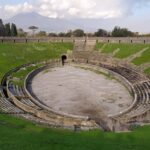
The one thing to keep in mind is that this is a tight 2-hour route, so you may not get to every major stop you might hope for, like the amphitheater or the brothels.
In This Review
- Key things that make this tour worth it
- Why Pompeii makes sense with an archaeologist-led plan
- Price and tickets: what’s included, what costs extra
- Porta Marina Superiore and the Pompeii VIP start: your best shortcut
- Venus to Jupiter: temples and the Forum core in 60 minutes
- Temple of Venus (Tempio di Venere)
- The Basilica in the Forum
- Sanctuary of Apollo (Temple of Apollo)
- The Forum Main Square and the Temple of Jupiter
- Markets, casts, baths, and a real Roman diner stop
- The Macellum: food, commerce, and plaster casts
- Forum Baths (Terme del Foro): one of Pompeii’s best-preserved areas
- Thermopolium of Vetuzio Placido: the fast-food concept, Roman style
- Homes with seasonal access: House of the Faun, Vettii, and a main street
- House of the Faun (Casa del Fauno)
- House of the Vettii (House of the Vettii)
- Via dell’Abbondanza: the decumanus maximus in motion
- Teatro Grande: how Greco-Roman performances worked
- What your archaeologist guide adds (and why I’d choose this format)
- Who should book this Pompeii exclusive tour
- Should you book this Pompeii tour or go DIY?
- FAQ
- How long is the Pompeii exclusive tour with an archaeologist?
- Is the tour offered in English?
- Are Pompeii Archaeological Park tickets included in the tour price?
- How much is the Pompeii Archaeological Park admission ticket?
- Where do we meet for the tour?
- How big is the small group?
- Does the tour include priority entry to avoid waiting at the gate?
- What if the weather is bad?
Key things that make this tour worth it
- Small group, relaxed pace so questions don’t get rushed
- Priority entry helps you start exploring sooner
- An archaeologist guide explains how we know what we know
- Real daily-life stops from markets and baths to a thermopolium diner
- Forum views with Vesuvius framing the big public spaces
- Seasonal access means some houses may open or close depending on the date
Why Pompeii makes sense with an archaeologist-led plan
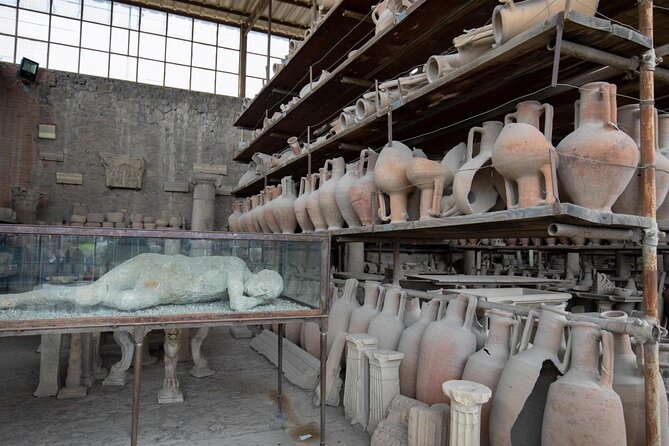
Pompeii is famous, but it’s also big, uneven, and packed with details. Walk it without guidance and you’ll be standing in front of impressive structures… with no idea what matters most, or why. This tour is built to fix that. You move with a guide who can point out what’s important and explain it in plain language.
I particularly like that the tour aims for interpretation, not just description. You’re not only shown temples, streets, and houses—you learn what they were for and how archaeologists piece together everyday life. Guides seen on past departures include people like Antonio, Ornella, Ricardo, and Ornella, and the common thread is clear: the best part is how they connect the stones to human routines.
And since Pompeii is a place where timing matters (crowds, heat, and walking distances), the structure helps. You hit key sights while still having enough time to look around, take photos where allowed, and ask follow-up questions.
You can also read our reviews of more tours and experiences in Pompeii.


Price and tickets: what’s included, what costs extra

The tour price is $30.25 per person for an approximately 2-hour English experience. That includes an authorized tour guide expert in archaeology and the guided route through Pompeii’s highlights.
What’s not included is the Pompeii Archaeological Park admission ticket. You’ll pay about €19 per adult (free under 18). The provider helps with a link the afternoon before for online ticketing, plus there’s a note that the Viator ticket is not the entry ticket for the archaeological site—it’s the ticket that allows you to join the tour.
Quick value check: when you add admission, the total spend is higher than the base tour price. But you’re paying for expert help to prioritize what to see in a short visit. If you’re planning only a couple of hours in Pompeii, that guidance usually beats trying to DIY the whole site.
Porta Marina Superiore and the Pompeii VIP start: your best shortcut
Your meeting point is Via Villa dei Misteri, 1, 80045 Pompei NA, Italy, and the tour ends back there. The starting moment matters because Pompeii queues can eat your time.
At Stop 1, your guide meets you at the archaeological park area at Porta Marina Superiore, holding a sign for Pompeii VIP. This is the western entrance to the ancient city. The guide explains a neat naming detail too: “Marina” ties back to the road that originally led toward the sea. It’s the kind of small piece that makes Pompeii feel less like a frozen museum and more like a real place with routes, movement, and purpose.
From here, the tour uses a priority-style approach to help you avoid a long wait at the gate. The goal is simple: get you inside and looking quickly, while the site is still fresh in your mind.
Tip: arrive a few minutes early, and if you’re given any audio equipment, test it at the start so you’re not stuck later.
Venus to Jupiter: temples and the Forum core in 60 minutes
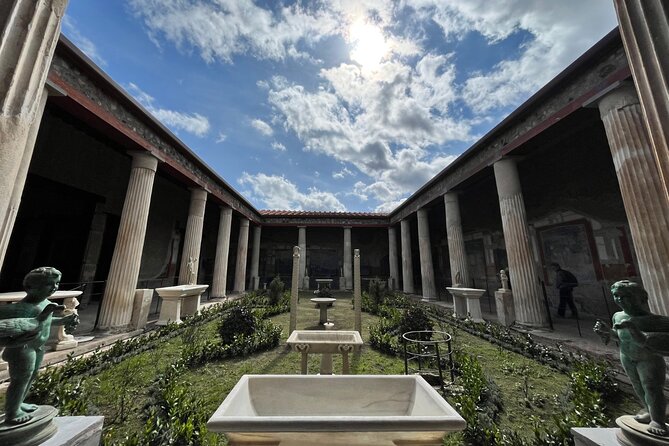
This tour is built around Pompeii’s public spaces, where power, worship, and everyday activity overlapped. You’ll move through the Forum area repeatedly in different forms, so the city’s structure starts to click.
Temple of Venus (Tempio di Venere)
You’ll stop at the Temple of Venus, dedicated to the goddess who was closely tied to Pompeii’s patron identity. Even if you’ve never studied Roman religion, this stop gives you context. A guide helps you see that temples weren’t just pretty backdrops—they were key social markers.



The Basilica in the Forum
Next comes the Basilica, described as the most lavish building in the Forum. It wasn’t a church in the modern sense; it was a major civic space for business management and administration of justice. This is a good moment to understand why Pompeii’s Forum feels so central: public life was organized here.
Sanctuary of Apollo (Temple of Apollo)
The Sanctuary of Apollo sits along a strategic route leading from Porta Marina toward the city’s public heart. Apollo here helps you understand how worship and city planning intertwined.
The Forum Main Square and the Temple of Jupiter
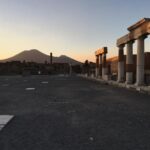
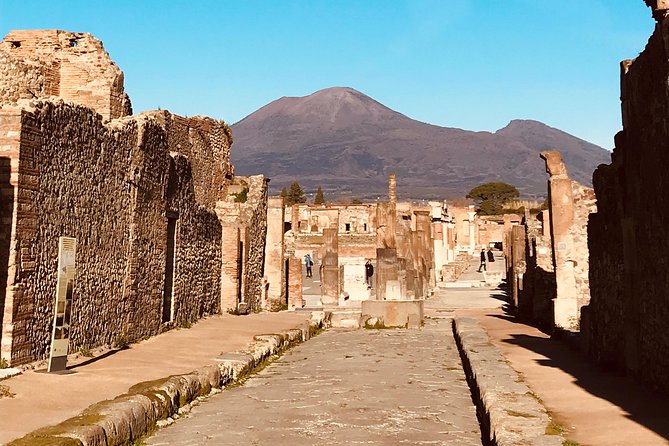
The Forum is the center of daily life, so it’s not just one stop—it’s the anchor. Then you’ll see the Temple of Jupiter on the northern side, with Vesuvius rising behind it. That sightline is one of the reasons guided context matters: your guide points out how Pompeii’s geography and layout shape what you experience while walking.
Markets, casts, baths, and a real Roman diner stop
After the big civic and religious anchors, the route shifts to everyday life. This is where Pompeii stops feeling like a “ruins tour” and starts feeling like a walk through ordinary routines.
The Macellum: food, commerce, and plaster casts
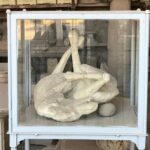
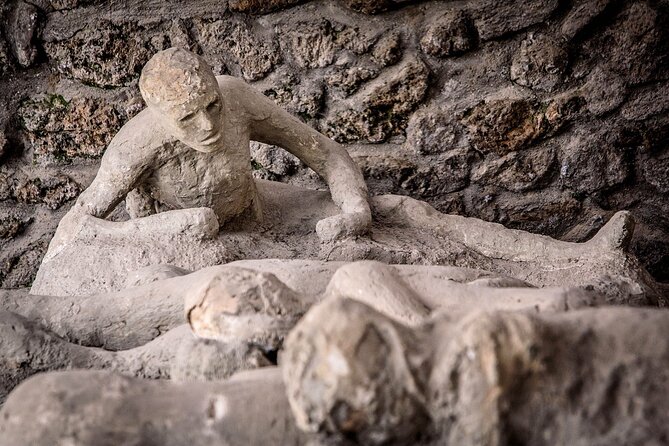
You’ll visit the Macellum, a monumental building used for selling food and daily consumer goods. This stop is especially interesting because you might see plaster casts—descriptions note BODIES as an archaeological method used to represent victims as they were at the moment of the eruption.
Even if you’ve heard about Pompeii’s tragedy before, an expert guide can help you interpret what you’re seeing without turning it into just shock-value. You come away with a clearer sense of how markets worked and why this building mattered.
Forum Baths (Terme del Foro): one of Pompeii’s best-preserved areas
Then it’s into the Forum Baths, often considered among the best-preserved elements of the city. A key detail here is the design: separate entrances for women and men. It’s a reminder that Roman daily life included rules and routines you wouldn’t guess from the outside.
Thermopolium of Vetuzio Placido: the fast-food concept, Roman style
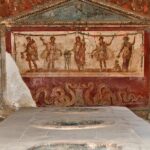
Last in this cluster is the Thermopolium, basically an old diner—a refreshment stop for inhabitants. If you’ve ever tried to imagine what people ate and drank on a normal day, this is a helpful stop. Your guide explains the space as a living part of the neighborhood, not just a background relic.
Homes with seasonal access: House of the Faun, Vettii, and a main street
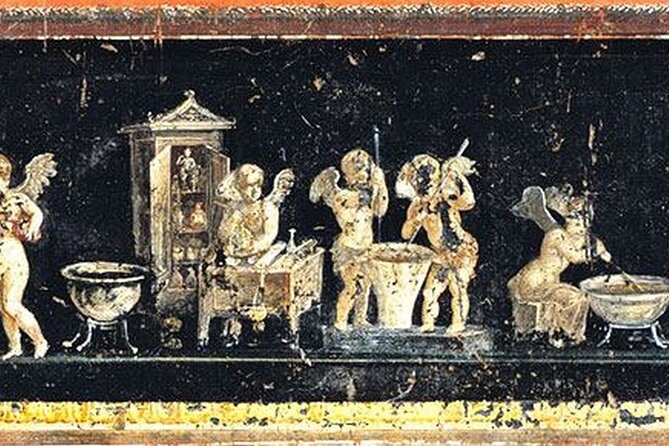
Pompeii’s domestic spaces can be hard to interpret without help. This portion of the tour gives you a taste of wealth and daily rhythms through two well-known houses and one key street.
House of the Faun (Casa del Fauno)
House of the Faun is one of the largest houses in Pompeii. Your guide also points out the welcome inscription on the sidewalk with HAVE in Latin. It’s a small detail, but it shows how hospitality and identity were built into the front of a home.
House of the Vettii (House of the Vettii)
You’ll also see the House of the Vettii, one of Pompeii’s richest and most famous homes, placed under the protection of Priapus, the god associated with prosperity. One important practical note: both these homes are subject to seasonal openings and closings, so what you can walk through may vary by date.
Via dell’Abbondanza: the decumanus maximus in motion
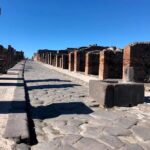
Then you walk along Via dell’Abbondanza, the ancient main street—the decumanus maximus. This is where you start understanding movement through the city: how people likely traveled between home, work, markets, and civic life.
The guide’s explanations make the street feel connected to the rest of your stops, instead of being just a long corridor of stone.
Teatro Grande: how Greco-Roman performances worked
The final major stop is the Teatro Grande. Roman theater wasn’t only entertainment; it was part of public culture in the Greco-Roman tradition, with comedies and tragedies staged for the community.
This is a nice closing stop because it shifts you from daily routines (food, baths, shopping) back to public spectacle. It also gives you a place to sit, look around, and absorb the scale of Pompeii as a whole. In two hours, it’s a smart way to end: you finish with how people gathered and watched stories together.
What your archaeologist guide adds (and why I’d choose this format)
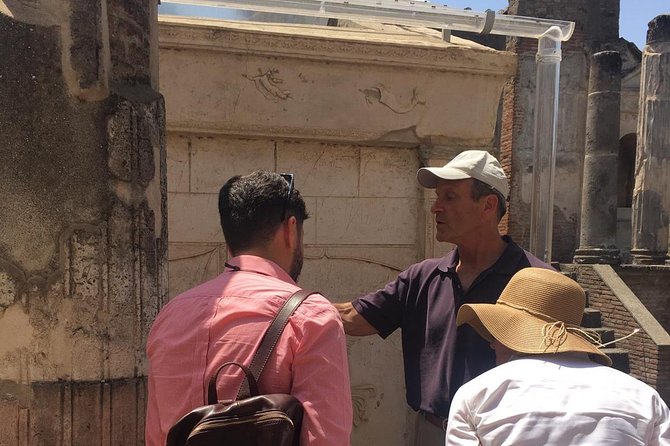
Guides here tend to use more than a list of facts. They explain how archaeologists know what they know—what evidence exists, and why certain interpretations make sense. One review highlight described a guide asking questions from the group to help connect the dots, which is exactly the kind of interactive teaching that makes ruins stick in your head.
You also get practical pacing advice. In wet conditions, for example, a guide named Raphael was noted for knowing where to shelter while still keeping the tour informative. That’s not just nice—it’s how you avoid wasting time standing around and missing key moments.
And because this is a small group, it’s easier to tailor the rhythm. You can ask a follow-up without the whole line moving without you.
One more practical point: if there’s an audio guide system, keep an eye on it. One past booking included a complaint about earphones not working properly, so I’d take 30 seconds at the start to confirm you can hear.
Who should book this Pompeii exclusive tour
This is a great match if:
- you want Pompeii’s highlights in about two hours
- you’re a first-time visitor who needs help reading the site
- you value small-group pacing and room for questions
- you want an expert perspective, including how discoveries are interpreted
It may be less ideal if:
- you’re hoping for a longer, slower walk that includes every major sector of Pompeii
- you specifically want to prioritize the amphitheater or brothels, which may not be on this tight route
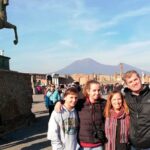
For families, this kind of guided structure often works well too. Past bookings included kids around 11–14 who still had energy to enjoy the stops.
Should you book this Pompeii tour or go DIY?
If you’re only in Pompeii for a short window, I’d book this. The priority entry plus an archaeologist guide helps you avoid the most common Pompeii problem: seeing important places but not understanding them. The fact that the tour holds a high rating (4.7) with a strong recommendation rate also fits the reality that Pompeii is one of those destinations where quality guidance pays off fast.
If you have more time and want total freedom, you can DIY Pompeii and spend longer on the sections you care about most. Just know that Pompeii rewards context. Without it, you’ll walk more slowly in your understanding than you do in your feet.
In short: if you want the smart route and a clear explanation for what you’re seeing, this is a solid choice.
FAQ
How long is the Pompeii exclusive tour with an archaeologist?
It’s approximately 2 hours.
Is the tour offered in English?
Yes, this tour is offered in English.
Are Pompeii Archaeological Park tickets included in the tour price?
No. The Pompeii Archaeological Park admission ticket is not included. The price listed is for the guided tour, and you’ll need to buy the entry ticket separately.
How much is the Pompeii Archaeological Park admission ticket?
The admission listed is €19 per adult (free for under 18).
Where do we meet for the tour?
You meet at Via Villa dei Misteri, 1, 80045 Pompei NA, Italy, and the tour ends back at the same meeting point.
How big is the small group?
The tour has a maximum size of 15 travelers.
Does the tour include priority entry to avoid waiting at the gate?
Yes. The highlights specify entering via a separate priority line to avoid a long wait at the gate.
What if the weather is bad?
The experience requires good weather. If it’s canceled due to poor weather, you’ll be offered a different date or a full refund.
—
If you want, tell me your travel month and whether you’re also planning Vesuvius or Naples afterward—I can suggest a simple timing plan so you don’t feel rushed.