REVIEW · ROME
Rome: 3-in-1 Fettuccine, Ravioli, and Tiramisu Cooking Class
Book on GetYourGuide →Operated by Eat and Walk Italy · Bookable on GetYourGuide
Hands-on pasta feels like Rome in 3 hours. I like the tiramisu-first flow (so you start with something you can taste right away), and I love how the class is truly hands-on, not just watch-and-hope. You learn pasta dough technique and then shape both ravioli and fettuccine from scratch, led in English by chefs such as Lori, Mimi, Mattia, Maria, or Carlotta; one small drawback is that the pace can feel a bit quick if you like to go slowly.
This workshop happens in a cozy downtown restaurant at Restaurant Gusto (Via Giuseppe Zanardelli 14), and you finish by eating the meal you made. Expect a lively group energy, with chefs keeping everyone participating while still giving personal fixes when needed. One other consideration: a couple of people noted the chef didn’t sit down to enjoy the meal together, so if you want that extra chat-time, it might not be built into the program.
In This Review
- Quick hit notes before you book
- Tiramisu First: why starting with dessert helps your pasta later
- Entering the dough zone at Restaurant Gusto in central Rome
- Rolling pasta dough: the technique you’ll actually use again
- Ravioli by hand: making a classic that feels personal
- Fettuccine and sauce choices: tomato basil, cacio e pepe, amatriciana
- The meal moment: wine, limoncello, and eating your work
- Chefs and pacing: clear instruction, humor, and personal fixes
- Price and value: what $81 gets you in real terms
- Who should book this cooking class in Rome
- Tips so you enjoy every minute (and not just the final plate)
- Should you book this Rome fettuccine, ravioli and tiramisu class?
- FAQ
- How long is the Rome cooking class?
- Where is the meeting point?
- What dishes do you make during the workshop?
- What sauce options are included for the fettuccine?
- Is the class taught in English?
- Is the class wheelchair accessible?
- Is it suitable for young children?
- Are pets allowed?
- What drinks are included?
Quick hit notes before you book
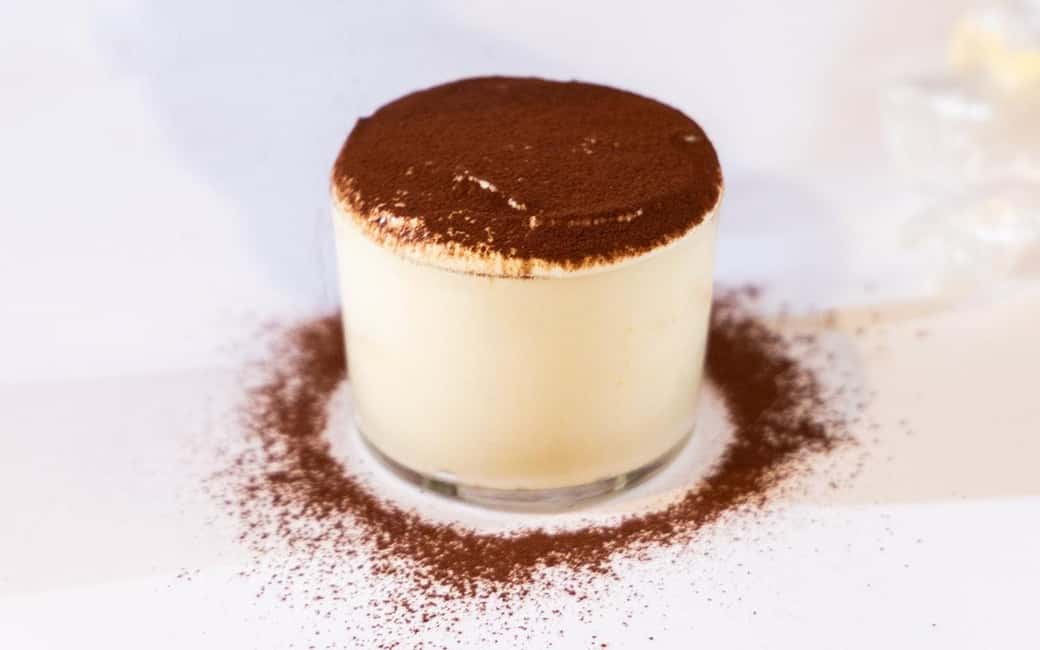
- Tiramisu starts first, so dessert prep kicks off the fun fast.
- Two pasta styles from scratch: pillowy ravioli and classic fettuccine.
- Sauce choice matters: tomato and basil, cacio e pepe, or amatriciana.
- You taste what you make with a wine drink plus limoncello (or coffee).
- English instruction with lots of hand-holding, named instructors you might get include Lori, Leo, Mimi, Mattia, and Tommy.
Tiramisu First: why starting with dessert helps your pasta later
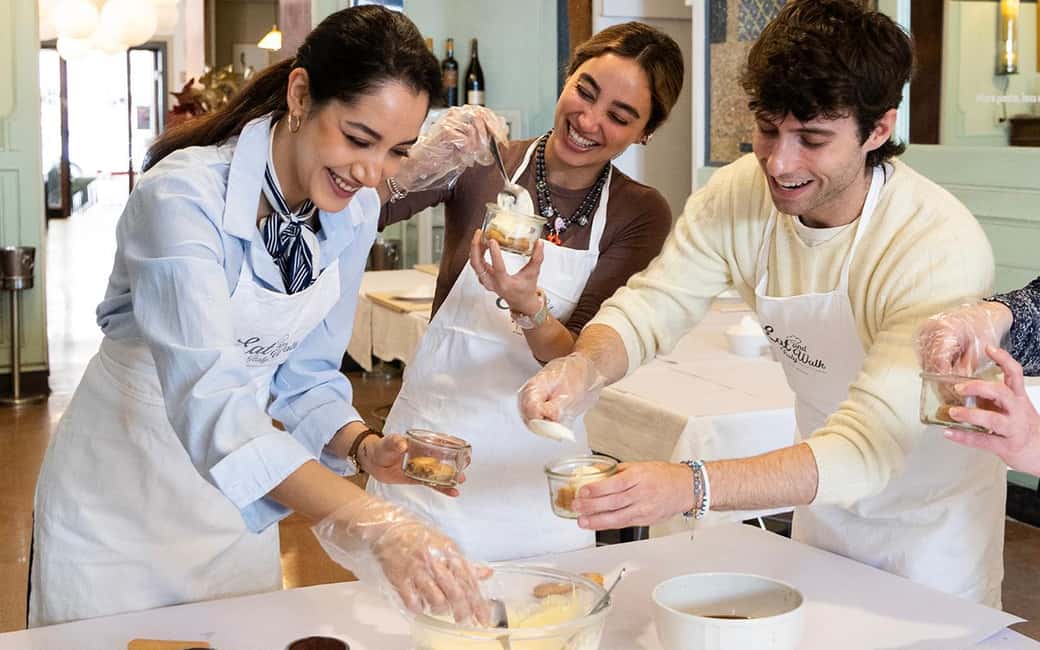
This is a 3-hour workshop built around a smart order. You begin with tiramisù, not the pasta. That does two things for you: it gets you relaxed and confident, and it also teaches technique while your brain is fresh.
Tiramisu is where most people discover a key Italian-cooking truth: small details create big results. You’re working with a dessert process that’s precise but not intimidating—layers, texture, and timing. Once you’ve felt that rhythm, the shift to pasta dough feels less scary. You’re not thinking: What if I mess up? You’re thinking: Okay, I can do this.
Also, your hands get used to the workflow. You’re not just reading steps—you’re doing them. That makes the later dough handling easier, especially when the class moves from mixing to kneading and shaping.
One timing note: a few people said they felt slightly rushed while completing everything. If you’re the type who likes to linger (or you’re cooking with someone who gets easily stressed), pick a time slot when you’re not racing the rest of your day.
You can also read our reviews of more tours and experiences in Rome.


Entering the dough zone at Restaurant Gusto in central Rome
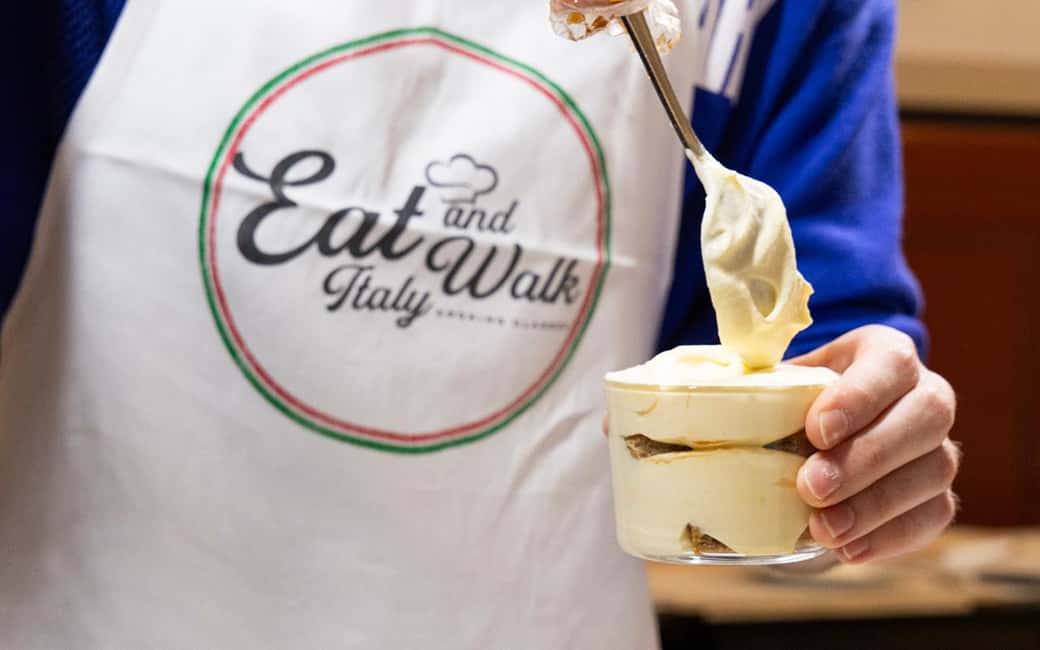
You meet at Restaurant Gusto, Via Giuseppe Zanardelli 14, right in the center of Rome. That matters because it turns the experience into an evening-plan sweet spot. Instead of a long commute, you’re already in Rome’s walkable zone and you can pair the class with a casual dinner or gelato nearby afterward.
Once you’re inside, the room setup is designed for interaction. Many classes like this can end up feeling like a demonstration with occasional “your turn.” Here, the format is built around getting you involved throughout. People mentioned clear explanations and constant support—your instructor steps in when you need a fix, not only at the beginning.
Language is also a real advantage: instruction is in English. And since your instructor might be an experienced chef such as Lori, Leo, Mimi, Mattia, Maria, or Carlotta, you can expect the teaching style to be lively and practical. The tone seems to aim for learning without stress, even if you’re new to dough.
A practical comfort point: at least one person highlighted the venue’s A/C in warm weather. You can’t guarantee it every day, but in general this kind of restaurant-based class tends to be more comfortable than a windowless kitchen corner.
Rolling pasta dough: the technique you’ll actually use again
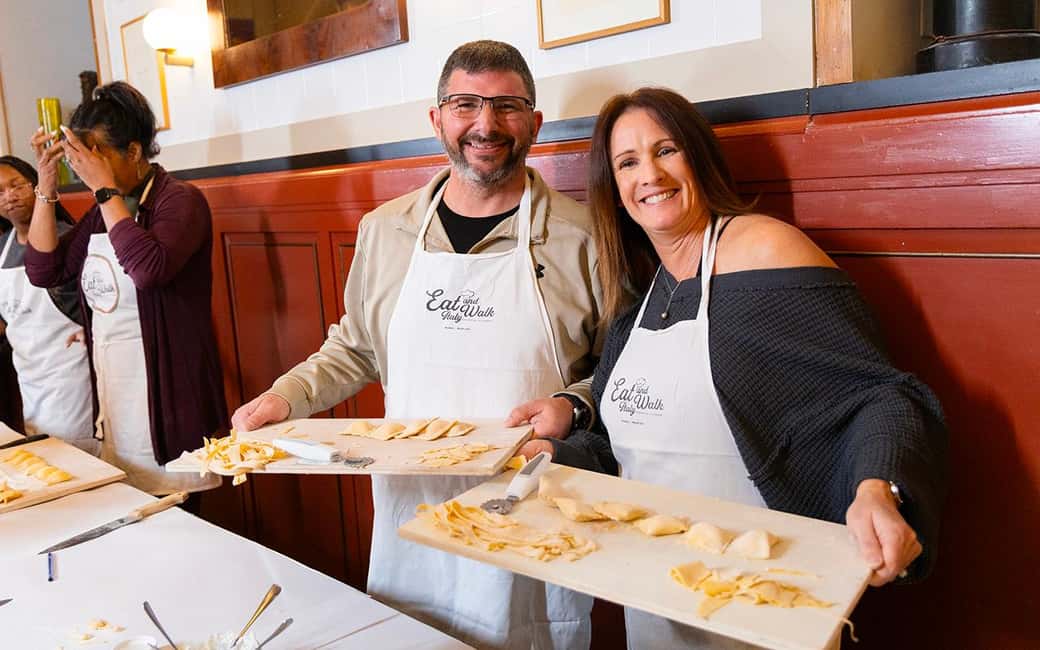
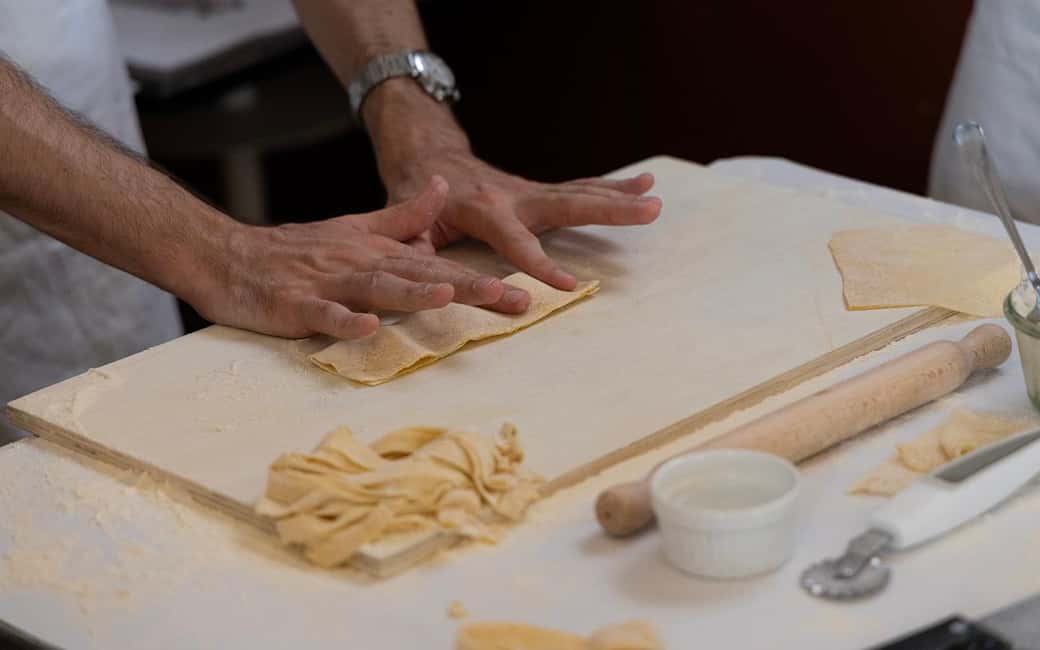
The pasta part starts with dough. You’ll learn how to make a proper pasta dough—what to aim for in texture, how to work it, and how to handle it so it rolls and holds shape. This is the “transferable skill” section.
Why does this matter for you back home? Because buying dried pasta is fine, but it won’t teach you how sauces cling, how thickness affects bite, or how filling dough should behave. Once you understand dough basics, you can adjust the next time you try any Italian pasta.
You’re also taught how filling choices connect to seasons. That means the instructor doesn’t treat ravioli filling as one-size-fits-all. Even if you don’t memorize every detail, you’ll come away with the idea that Italian cooking is flexible: ingredients and pairings shift with what’s best right now.
If you’ve cooked before, you’ll still get value. One common compliment in the feedback is that instructors keep things moving while checking individual progress. If you’re new, that same approach helps you avoid getting stuck at the “wait, what am I doing wrong?” stage.
Ravioli by hand: making a classic that feels personal
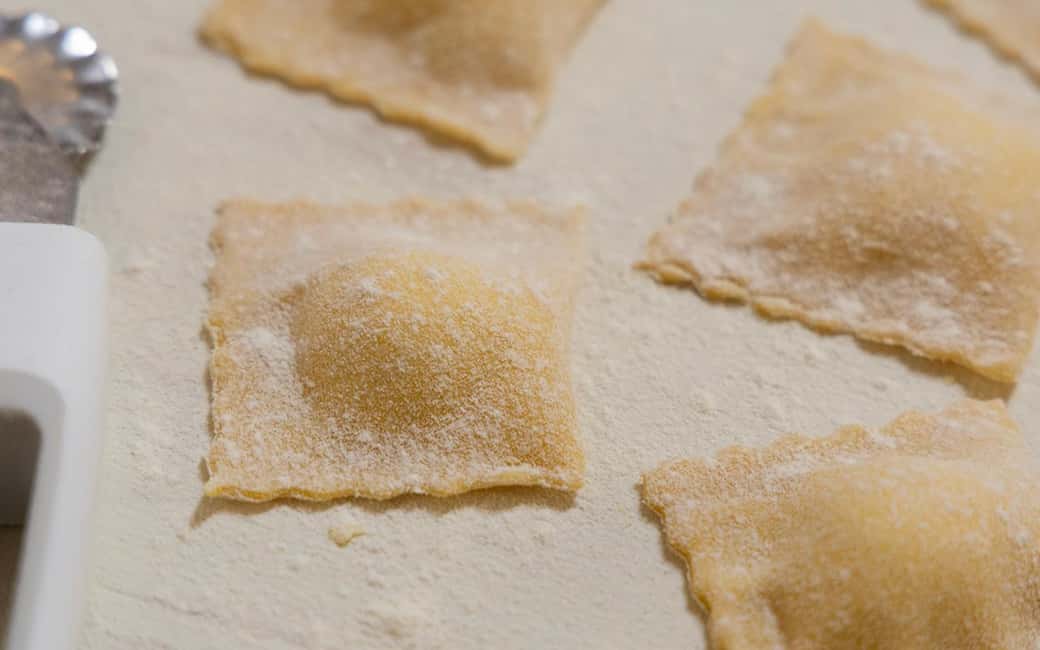
After dough work, you move into ravioli. This is where the class becomes very real. Ravioli is not hard because it’s mystical—it’s hard because it requires consistency: size, thickness, sealing, and patience.
You’ll learn the mechanics, then you get to do it yourself. Ravioli dough needs to be pliable and not too dry, and the sealing step is where your attention pays off. When you’re done, you’ve created something that feels like Roman-Italian cooking in miniature.
Included in your lunch is ravioli with butter and sage. That’s a classic combination for a reason: it lets the pasta and filling speak clearly without competing flavors. It’s also a great lesson in restraint. You’re seeing that Italian sauces often act as support, not disguise.
A few people also pointed out that instructors gave hands-on guidance for different ability levels in the same group. One class was described as working across ages 15 to 83, which tells you the teaching style is likely adaptable—good news if you’re bringing someone who doesn’t cook much.
Fettuccine and sauce choices: tomato basil, cacio e pepe, amatriciana
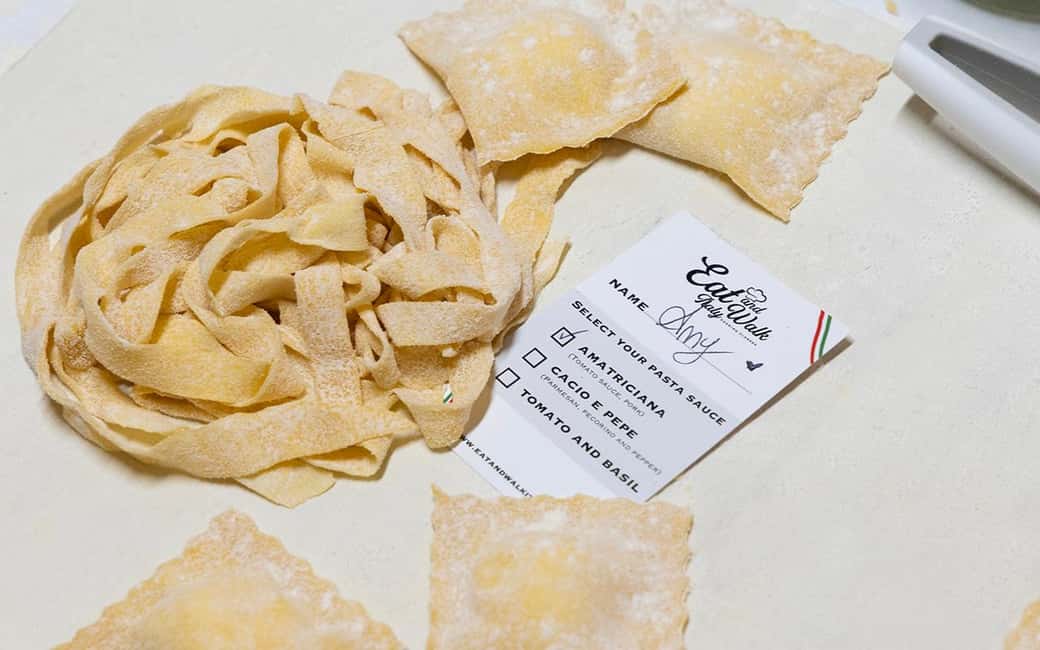
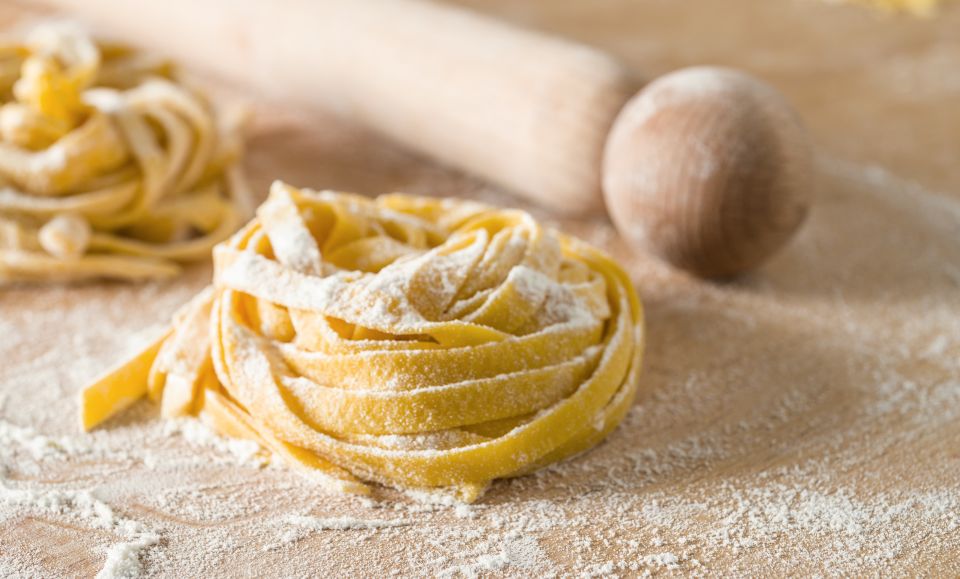
Next comes fettuccine. The big win here is that you’re not only shaping pasta—you’re also learning how to pair it with a sauce. The class includes a sauce choice for your fettuccine:
- tomato and basil
- cacio e pepe
- amatriciana
This is more useful than it sounds. Each sauce has a different personality. Tomato and basil is fresh and straightforward. Cacio e pepe teaches a creamy-cheese logic (without drowning the pasta). Amatriciana leans savory and bold.
By cooking them yourself, you start to understand why Italians match shapes and textures with sauce behavior. Fettuccine’s flat surface helps it hold onto sauces, and you’ll feel that difference when it’s plated.
Also, this is where you may start noticing how your dough thickness affects bite. If you roll a bit thicker, you’ll feel it when you cut and cook. If you roll thinner, you’ll get a softer, more delicate result. That’s a “now I get it” learning moment.




The meal moment: wine, limoncello, and eating your work
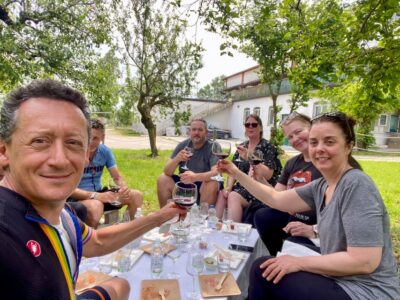
After the cooking comes the reward. You sit down and enjoy what you made, plus drinks.
Your meal includes:
- a glass of wine (or a non-alcoholic beverage)
- limoncello (or coffee)
- water
That combination is a classic Roman-Italian “class to celebration” arc. You’re not wandering off to find dinner—you’re tasting right after cooking while the textures are still fresh and the process is still in your mind.
One fun detail from the feedback: some people were given limoncello after the class as a treat. Another person mentioned the wine served warm and white, which is a small quirk to note. If you’re picky about wine temperature, you may want to ask when it’s served—or stick to the non-alcoholic option if that’s important to you.
Overall, the meal part is where the value really lands. You’re paying for an experience plus a full, satisfying outcome. It’s not just a recipe workshop; it’s a built-in lunch you can feel good about.
Chefs and pacing: clear instruction, humor, and personal fixes
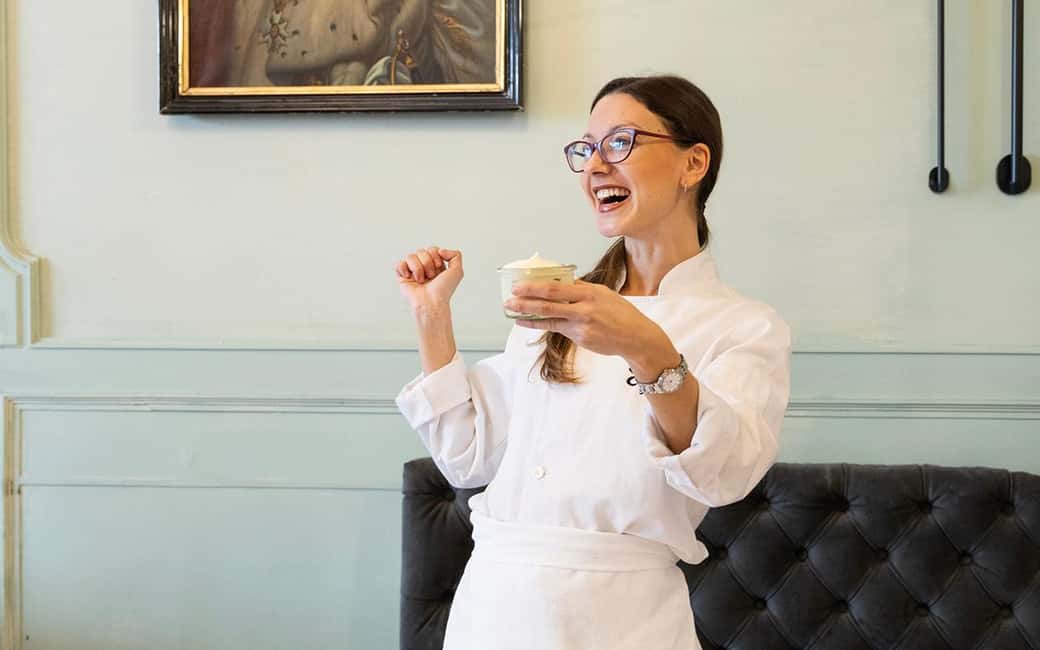
The instructor is a huge part of why people rate this so highly. Names showing up include Lori, Mimi, Mattia, Maria, Leo, Carlotta, Tommy, and Furio/Vali/Matina depending on the session.
What’s consistent across those different chefs is the teaching approach:
- clear, step-by-step guidance
- keeping the group moving
- checking in so people don’t get lost
In some classes, the group size was described as around 20. That’s large enough that you’ll never feel like you’re the only student, but small enough that you can still get help when you need it.
The slight downside is pace. One person felt a bit rushed. So if you want a slow, leisurely cooking day, plan some buffer time before or after. This is still a workshop, not a hands-off cooking demo.
Also, one person noted it would be nicer if the chef sat down and enjoyed the meal with the group. That might vary by instructor and style, but it’s worth knowing if you’re expecting a long, social-table conversation.
Price and value: what $81 gets you in real terms
At $81 per person for a 3-hour class, the value comes from the package.
You’re getting:
- making three elements from scratch (tiramisu, ravioli, fettuccine)
- instruction in English
- specific sauce options for fettuccine
- included drinks (wine or non-alcoholic, plus limoncello or coffee)
- the meal itself, using what you cooked
If you compare it to the cost of an equivalent hands-on experience plus drinks, it’s a reasonable deal. Most of the expensive part isn’t the food—it’s the trained instructor time and the setup for dozens of steps: dough, shaping, cooking, and plating.
For people who enjoy cooking, it’s also a “skills per dollar” win. You leave with a clearer understanding of dough and pairings, not just a plate of pasta.
Who should book this cooking class in Rome
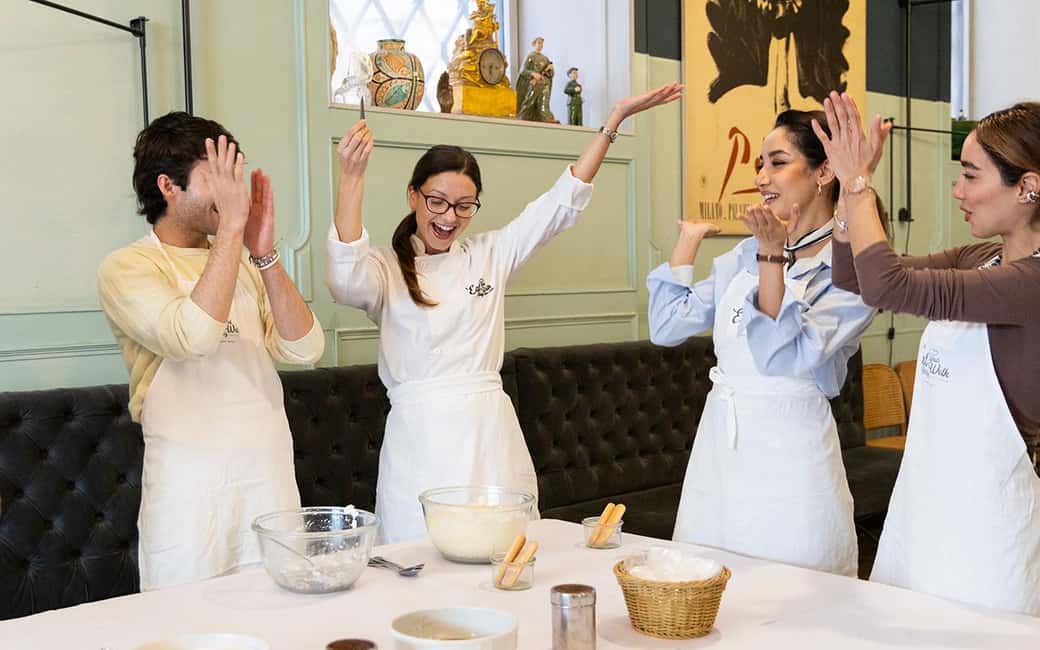
I think this is a great fit if you want a hands-on Rome activity that’s not museum-style. You’ll likely enjoy it most if you’re:
- excited to learn Italian technique (not just eat it)
- traveling as a couple or small group and want a shared project
- happy to cook with a mixed group dynamic
It may not be ideal if:
- you need a very slow pace
- you dislike any interactive activity in kitchens
- you’re traveling with a very young child (it’s not suitable for children under 4)
Good to know: it’s wheelchair accessible, and pets are not allowed.
Tips so you enjoy every minute (and not just the final plate)
A few practical moves will make this class more fun:
- Come a bit hungry. You’ll earn lunch, and the timing is tight.
- Wear something you can move in. Kneading and shaping take actual body comfort.
- Pay attention to dough texture cues. Your future pasta success depends on it.
- If you’re celebrating something, tell the staff. Several people mentioned birthdays and special occasions, and instructors often seem to handle that warmly.
- Ask about at-home materials. One person said they were given a free receipt if they wished to recreate it. Even if the format varies by session, it’s worth requesting any recipe sheet or notes.
Should you book this Rome fettuccine, ravioli and tiramisu class?
Yes, I’d book it if you want a central, 3-hour Rome experience that ends with a real meal and real skills. The biggest strength is the structure: tiramisu first, then pasta dough, then ravioli and fettuccine, finished by eating what you made with wine and limoncello. It’s a complete loop, not a “half activity.”
Book it with extra confidence if you care about instruction style. English teaching, active participation, and hands-on help show up repeatedly through named chefs like Lori, Mimi, Mattia, Maria, and Carlotta.
Skip it only if your ideal vacation is slow and quiet in the kitchen. This one moves, and while instructors support you, the schedule can feel compact.
If that sounds like your kind of fun, reserve a spot and plan your evening around the fact that you’ll leave full—and with the confidence to try at least one of these dishes at home.
FAQ
How long is the Rome cooking class?
The class lasts 3 hours.
Where is the meeting point?
You meet at Restaurant Gusto, Via Giuseppe Zanardelli 14.
What dishes do you make during the workshop?
You make tiramisù, fettuccine, and ravioli from scratch.
What sauce options are included for the fettuccine?
The fettuccine comes with a choice of sauce: tomato and basil, cacio e pepe, or amatriciana.
Is the class taught in English?
Yes, the instructor teaches in English.
Is the class wheelchair accessible?
Yes, it is listed as wheelchair accessible.
Is it suitable for young children?
It is not suitable for children under 4 years old.
Are pets allowed?
No, pets are not allowed.
What drinks are included?
You get a glass of wine or a non-alcoholic beverage, plus a glass of limoncello or coffee, and water.