REVIEW · POMPEI CAMPANIA
Pompeii: Skip-the-Line Entry & Audioguide
Book on GetYourGuide →Operated by TOURISTATION · Bookable on GetYourGuide
Pompeii is already dramatic. The appeal here is simple: you get skip-the-line entry and start walking right away, then you shape the pace with a multilingual audioguide. You’ll see the center of the ancient city, then peel off into homes, shops, public spaces, and the kind of street layout you can still read with your feet.
One thing to keep an eye on: confirm the full price and how your ID is handled when you check in. Some visitors have felt uneasy about deposits or extra charges elsewhere, so I’d rather you show up prepared and avoid surprises.
In This Review
- Key Things to Know Before You Go
- Skip-the-Line Entry: Why This Plan Feels Smarter
- Getting There: The IBT Center/Touristation Meeting Point
- How Long You’ll Really Spend Inside
- First Stop Energy: Entering Pompeii and Getting Oriented
- The Central Forum and Mount Vesuvius: Where the Story Clicks
- Streets, Water, and Public Life: Aqueducts, Fountains, and Baths
- Roman Homes and Businesses: Frescoes and “Small” Details
- Amphitheater and Theater: Visual Proof of the Crowd Culture
- Audioguide and Paper Map: How to Use Them Without Getting Lost
- Price and Value: Is $53 a Fair Deal?
- What’s Not Included (And What That Means for Your Wishlist)
- Who This Experience Fits Best
- Should You Book This Pompeii Skip-the-Line Audioguide?
- FAQ
- What does this Pompeii experience include?
- How long is the tour?
- Where do I meet for the activity?
- What languages are available for the audioguide?
- Is Villa dei Misteri included?
- What should I bring or prepare before going?
- What items are not allowed inside?
Key Things to Know Before You Go
- Skip-the-line entry helps you avoid long waits at the entrance to the Pompeii Archaeological Park
- Self-paced exploring means you choose when to slow down around key ruins
- Audioguide in many languages (Italian, English, French, Spanish, German, Portuguese, Chinese, Japanese) supports independent touring
- Forum views with Mount Vesuvius looming in the background set the scene fast
- Roman everyday life is the focus, from aqueduct and fountains to baths, homes, and businesses
- Villa dei Misteri isn’t included, so don’t count on seeing that site with this option
Skip-the-Line Entry: Why This Plan Feels Smarter
Pompeii is outdoors, big, and famously easy to lose time. When you’re not stuck outside waiting for your slot, you can turn your energy into walking, looking, and making sense of what you’re seeing.
This experience is built around skip-the-line entry plus an audioguide, which is a practical combo. You’re not locked into a group’s pace, but you’re also not wandering Pompeii as a guess-and-check exercise. You’ll still need to decide where to spend your limited time, but at least you start with momentum.
Also, the “do it at your pace” approach matters because Pompeii rewards attention. If you rush, you’ll miss the small, vivid details like fresco fragments, doorway shapes, and the way water systems fed public and private spaces.
You can also read our reviews of more tours and experiences in Pompei Campania.



Getting There: The IBT Center/Touristation Meeting Point
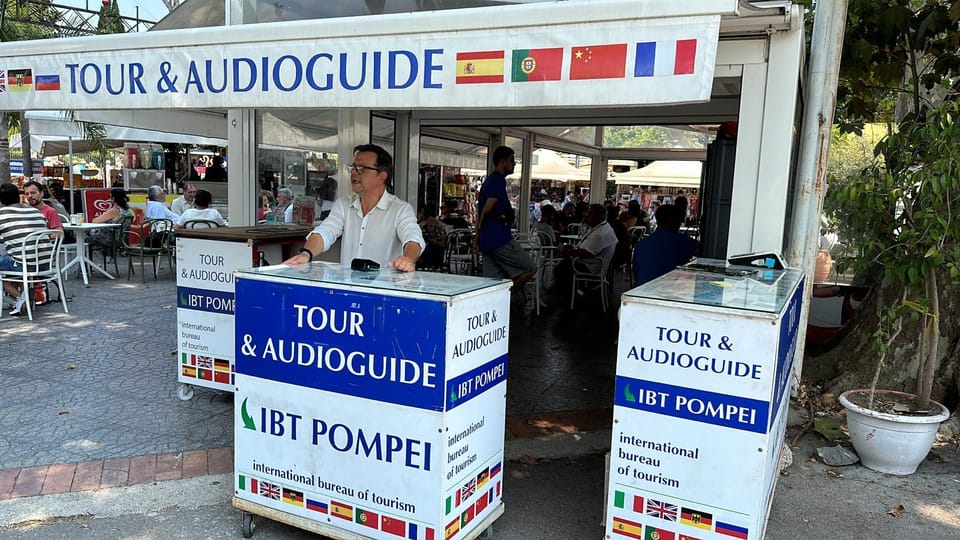
Your meeting point is the IBT Center/Touristation next to Chalet Donna Lucia. Go there first, before you move toward the archaeological park.
Because this is tied to a specific check-in location and you’ll need an ID, I recommend giving yourself a little buffer time. If you’re coming from a hotel, add time for a wrong turn or figuring out the exact street layout—Pompeii’s area can be confusing if you’re scanning maps while walking.
You’ll also want to bring passport or ID card, since the tour requires it for all participants. Don’t treat that as optional “just in case” paperwork.
How Long You’ll Really Spend Inside
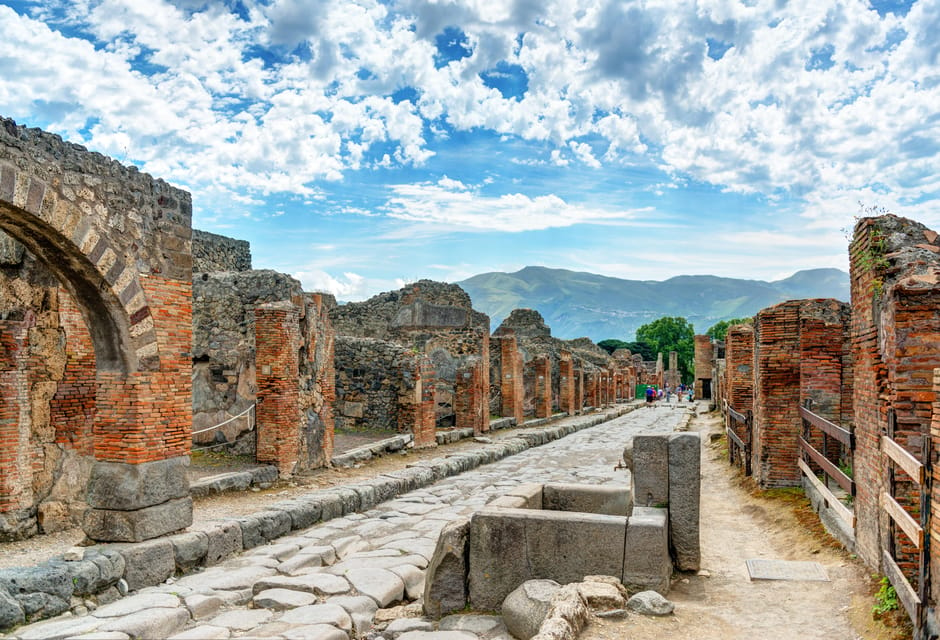
The stated duration is flexible: 2 hours to 1 day, depending on starting times you pick. In practice, with Pompeii, I’d think in blocks. Two hours gets you a meaningful circuit of major highlights; longer time lets you revisit spaces and linger at fresco areas and building remains.
If you have limited stamina, plan a route that hits the most recognizable anchors first (Forum area, major street sections, amphitheater/theater zones). If you like slower travel, you’ll use the audioguide to stretch the day and keep yourself oriented.
First Stop Energy: Entering Pompeii and Getting Oriented
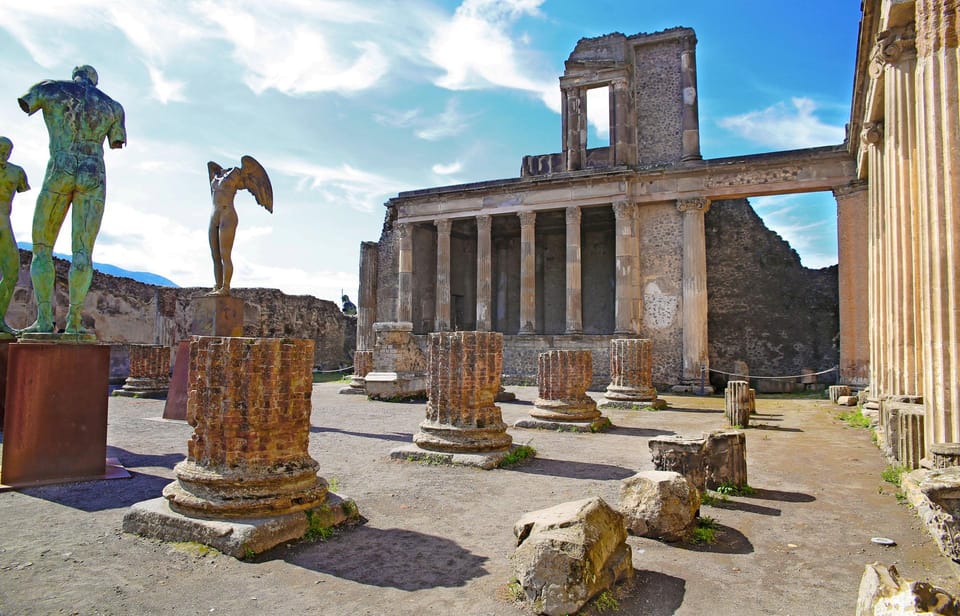
Once you’re inside, the flow is designed to get you grounded quickly. You start exploring the central parts of Pompeii, where the city’s structure becomes easier to understand.
From there, you move through the streets and public areas, and the audioguide helps you attach meaning to what you’re seeing. That matters because Pompeii can feel like “ruins” until you learn what each space was built to do.
If you’re the kind of person who likes to read the room—who wants to know what people ate, where they gathered, how water worked—this is a good match. The city is essentially a working map of daily life from the Roman era.
The Central Forum and Mount Vesuvius: Where the Story Clicks
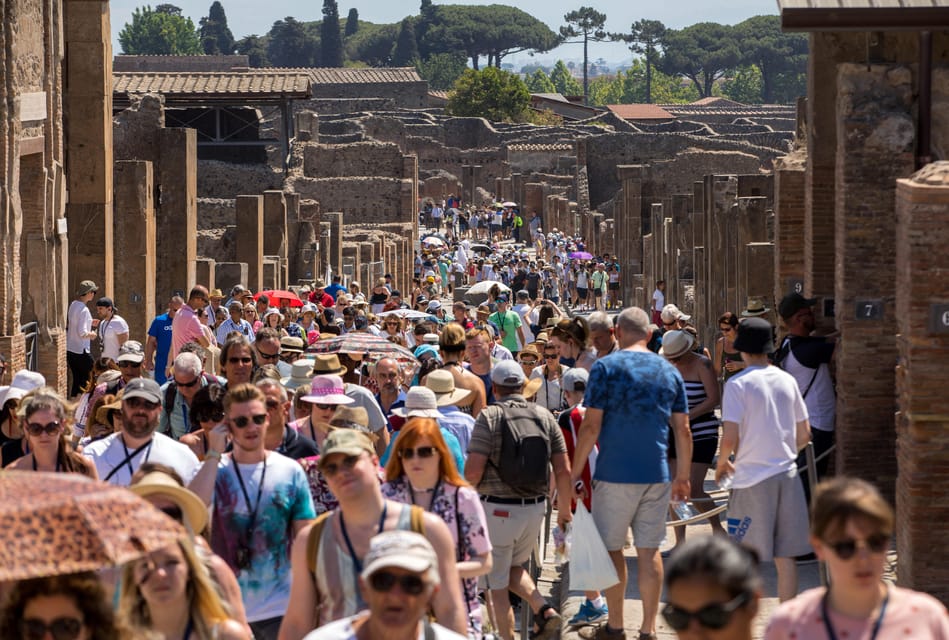
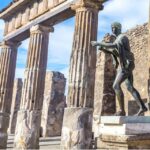
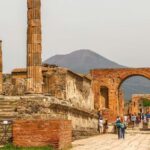
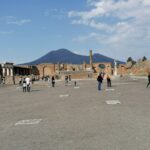
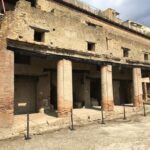
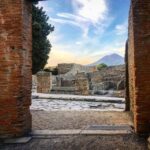
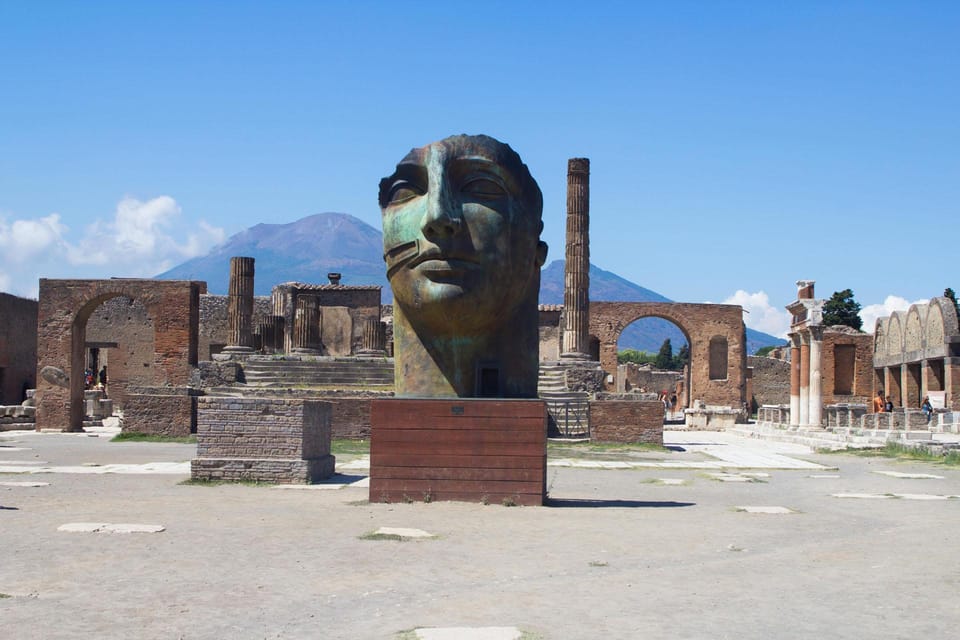
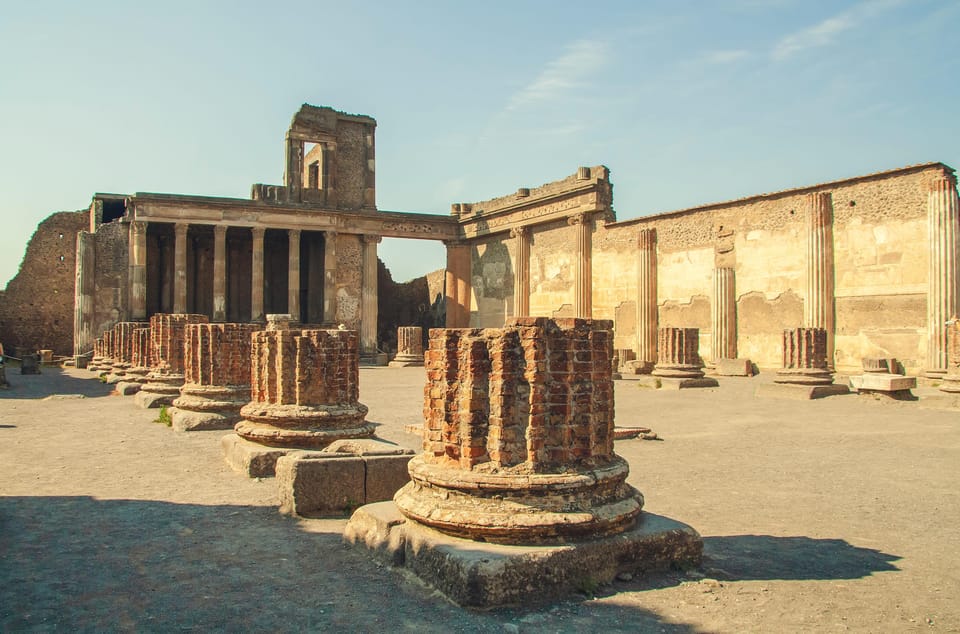
Your route begins in and around the central forum, where Pompeii feels like a city again instead of a site of scattered stones. You’ll see the remnants of columns and doorways, and the overall layout makes it easier to imagine foot traffic, conversations, and commerce.
One of the best parts of this experience is the way Mount Vesuvius frames the city. Even if you’ve seen photos before, the background view changes how you interpret everything. You’re not looking at history in a vacuum—you’re seeing it with the same mountain presence that defines the setting.
Here’s how to make the most of the forum area: pause and look for architectural “anchors.” Columns, doorways, and raised platform edges help your brain build a mental picture of public space and how people would have moved through it.



Streets, Water, and Public Life: Aqueducts, Fountains, and Baths
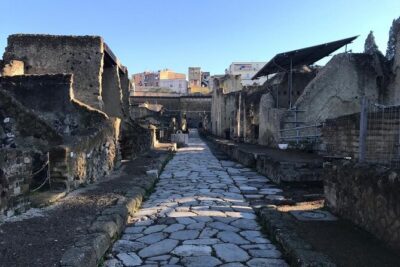
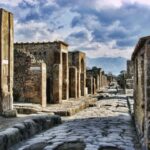
After the forum, you’ll wander through streets lined with the remains of daily Roman infrastructure. This is where you’ll notice how planning made life run: aqueduct channels, fountains, and the public baths.
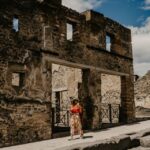
The ruins of aqueducts and fountains are especially valuable because they show function. It’s not just pretty stone; it’s proof of how people accessed and managed water. When you see those remnants with the audioguide guiding you, the city starts to feel practical instead of purely tragic.
You’ll also get exposure to public and semi-public spaces—places connected to routine movement, not just grand monuments. That makes Pompeii feel more relatable.
Roman Homes and Businesses: Frescoes and “Small” Details
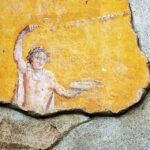
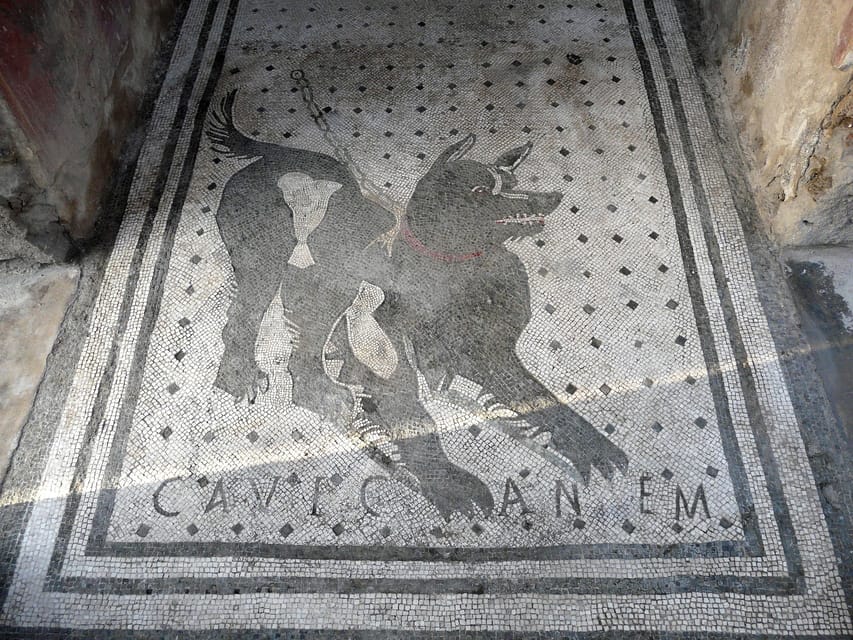
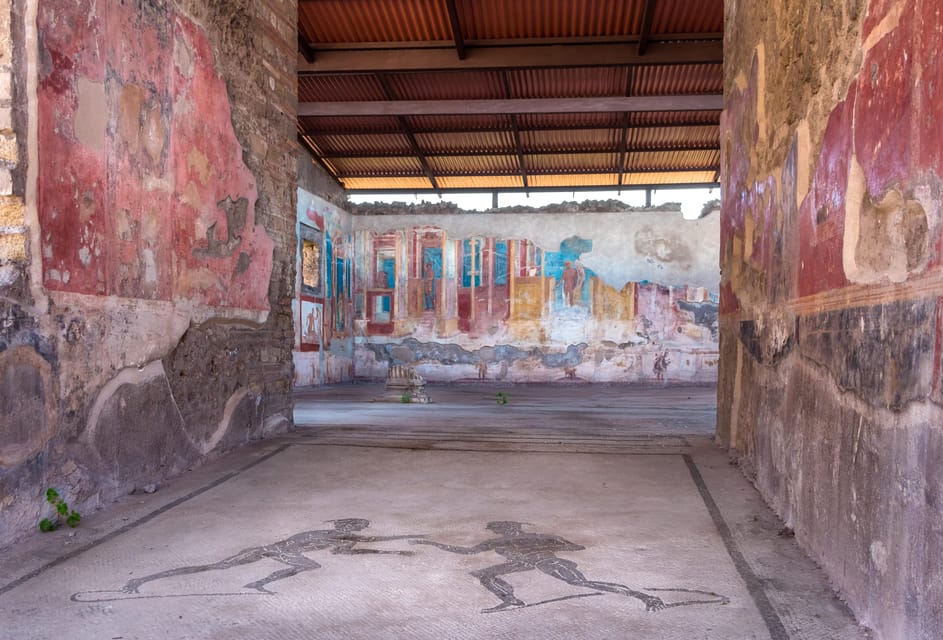
One of the highlights of this option is the chance to walk through Roman homes and businesses. You’ll see remains of private houses, commercial spaces, and statues, plus fragments of colorful frescoes that hint at what interiors and shopfronts once looked like.
This is the part many first-time visitors either rush past or interpret too vaguely. With the audioguide, you’re not only seeing walls; you’re getting context for how rooms were used and why certain spaces existed.
Practical tip: when you come across a fresco fragment, don’t treat it like a random patch of color. Use the audioguide and take 60 seconds to connect what you’re seeing to the building type (home vs business). That’s usually where the penny drops.
Amphitheater and Theater: Visual Proof of the Crowd Culture
Pompeii wasn’t quiet. You’ll see the amphitheater and the dramatic theater, both linked to performances and public gatherings.
These spaces are compelling because they’re built for people watching people. Even without a guide telling you exactly how seating worked, the layout shows you that the city loved events—music, drama, spectacle.
If you’re short on time, prioritize these two zones right after you’ve hit the main street and building sections. They’re often the most memorable structures to end on because they instantly communicate “crowds once lived here,” not just “buildings stood here.”
Audioguide and Paper Map: How to Use Them Without Getting Lost
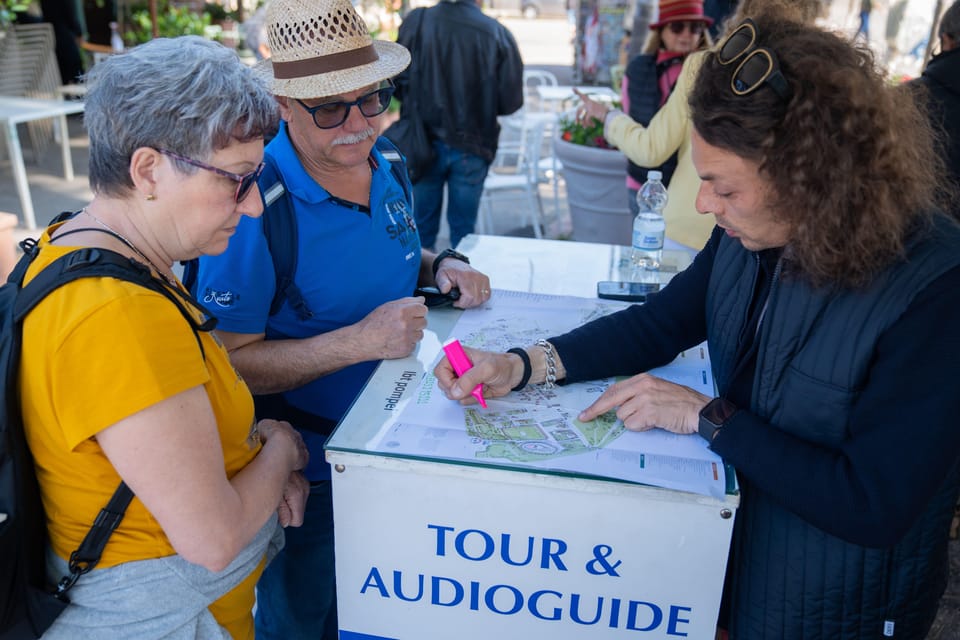
You get both a paper city map and an audioguide. The audioguide languages are wide—Italian, English, French, Spanish, German, Portuguese, Chinese, Japanese—so you should be able to pick a setting that’s comfortable.
Here’s the strategy I’d use: listen for orientation, then look with your eyes. Don’t stay locked to the speaker the whole time. Instead, use the narration to decide where to walk next, then turn it down or pause to visually scan building remains and street layout.
Because you’re self-paced, you’ll likely develop your own route. That’s fine. Just make sure you still hit the major anchors: forum area, water-related ruins, residential/commercial remains, and the amphitheater/theater zones.
Price and Value: Is $53 a Fair Deal?
The listed price is $53 per person, and the value is mainly in two pieces: skip-the-line entry and an included audioguide.
That combination can be worth it if you care about time and prefer independent sightseeing with context. Pompeii’s entrance process can eat into the first hour, and that first hour is when your eyes are most open and you’re freshest.
That said, I’d suggest you verify what’s included before you pay final amounts. There have been issues elsewhere with confusion about what people actually received, including questions about whether an audioguide costs extra. Since this option lists audioguides as included, your best move is to confirm on check-in that you have the audio device and your language is set.
Also, some visitors have raised concerns about ID deposits. Even if you’re comfortable with it, you’ll feel better if you understand the policy upfront and plan what documents you bring.
What’s Not Included (And What That Means for Your Wishlist)
Two notable exclusions show up in the details:
- Villa dei Misteri entrance is not included
- Food and drink are not included
If Villa dei Misteri is on your must-see list, you’ll need a separate ticket or plan. If you’re happy focusing on the main Pompeii areas covered by this route, the exclusion won’t bother you.
Also, plan your day like a true walking day. Since you’re not getting food included, you’ll want to bring water and basic snacks (within the park’s rules, of course).
Who This Experience Fits Best
This works well if you want:
- A time-saving entry that avoids long waits
- To explore at your own pace without feeling totally directionless
- Strong emphasis on everyday Roman spaces: forum, streets, homes, businesses, fountains, baths, and performance venues
- Audioguide support in your language
It’s especially good for independent travelers who still want structure. If you love guided explanations but hate rigid schedules, this is a solid compromise.
If you want a deep, classroom-style historical tour or a very specific set of extra stops beyond Pompeii’s main areas, you might find you want more than what this route covers—especially since Villa dei Misteri is excluded here.
Should You Book This Pompeii Skip-the-Line Audioguide?
Yes, I’d book it if your priority is getting into Pompeii fast and touring in your own rhythm. The skip-the-line entry plus audioguide is the heart of the value, and it helps you spend your time looking at the ruins instead of waiting to enter.
Before you go, do two quick checks that prevent frustration:
- Make sure you understand the total price and that the audioguide is actually what you’ll use on-site
- Bring the right ID and be ready for any ID-handling steps at check-in
If you want Pompeii to feel like a living city you can still navigate, not just a checklist of monuments, this option is a practical way to get there.
FAQ
What does this Pompeii experience include?
It includes skip-the-line entry to the Pompeii Archaeological Park, an audioguide, and a paper city map. A guided tour is included only if you select that option.
How long is the tour?
The duration is listed as 2 hours to 1 day, depending on starting times. Check availability for the exact schedule you can book.
Where do I meet for the activity?
Meet at the IBT Center/Touristation next to Chalet Donna Lucia.
What languages are available for the audioguide?
The audioguide languages are Italian, English, French, Spanish, German, Portuguese, Chinese, and Japanese.
Is Villa dei Misteri included?
No. Entrance to Villa dei Misteri is not included.
What should I bring or prepare before going?
Bring your passport or ID card. ID is required for all participants.
What items are not allowed inside?
Pets are not allowed, and you should avoid smoking. Luggage or large bags, alcohol, and drugs are also not allowed. Small dogs are permitted inside the archaeological area only if they are kept on a leash and carried when inside buildings.